Listen t o this Article

Adaptive fashion often struggles to find its place within mainstream design. For Lynn Brannelly, founder of Sewn Adaptive, that struggle reflects a failure of imagination rather than a lack of skill. “There isn’t a single design I’ve created in the last three years that couldn’t also be worn by someone who is not disabled,” she explains. “The adjustments are practical, but the result is still fashion.”
Brannelly began altering clothing after recognizing how poorly many ready-to-wear garments functioned for people who spend most of their time seated. Standard jeans, for instance, bunch uncomfortably or cut into the waist. Her solution can be as simple as removing back pockets or lowering the front waistband by a few inches. “From the outside, it looks exactly like any other pair of jeans,” she says. “The only difference is comfort.”
What frustrates her most is how many large fashion brands treat adaptive design as a separate category—if they acknowledge it at all. Collections are often small, expensive and too often lean toward medical aesthetics rather than style. “Rarely is it good fashion,” Brannelly observes. “It shouldn’t feel clinical. It should feel current, flattering and expressive.”
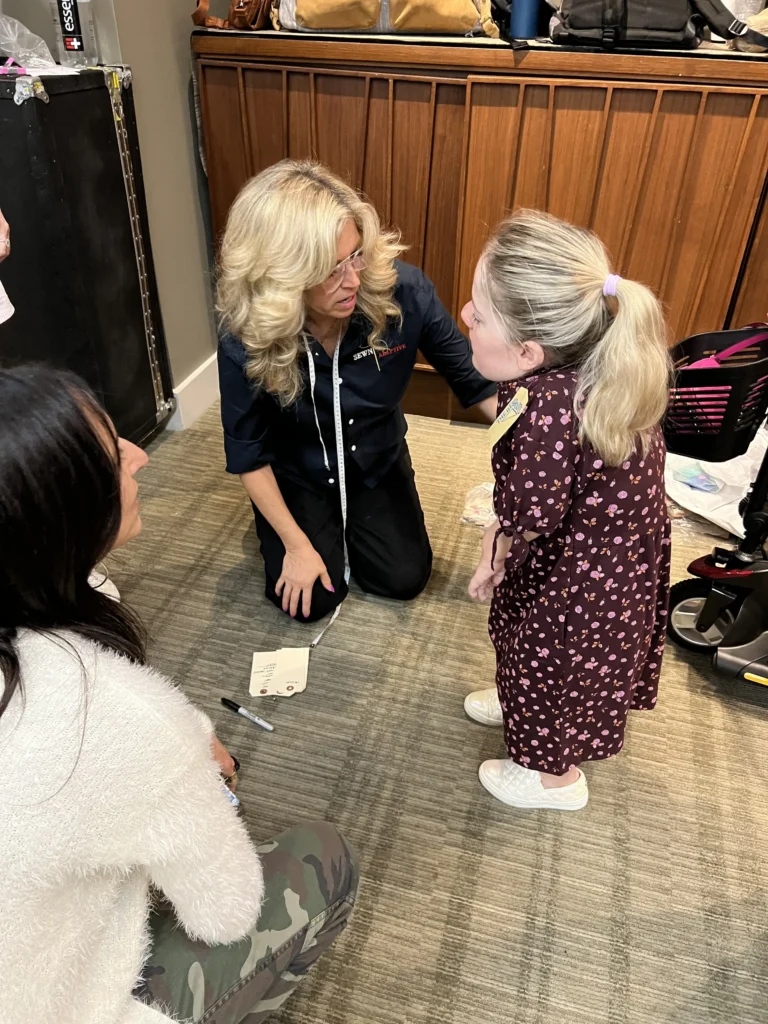
Her perspective is grounded in years of hands-on work with clients. She has altered everything from denim to evening gowns, and each project begins with careful consultation. Her virtual fittings allow clients to indicate where clothing causes discomfort or doesn’t fit correctly. Brannelly then translates those markings into precise adjustments. “It’s really a collaborative process,” she says. “My role is to listen, adapt and return something that reflects the client’s taste.”
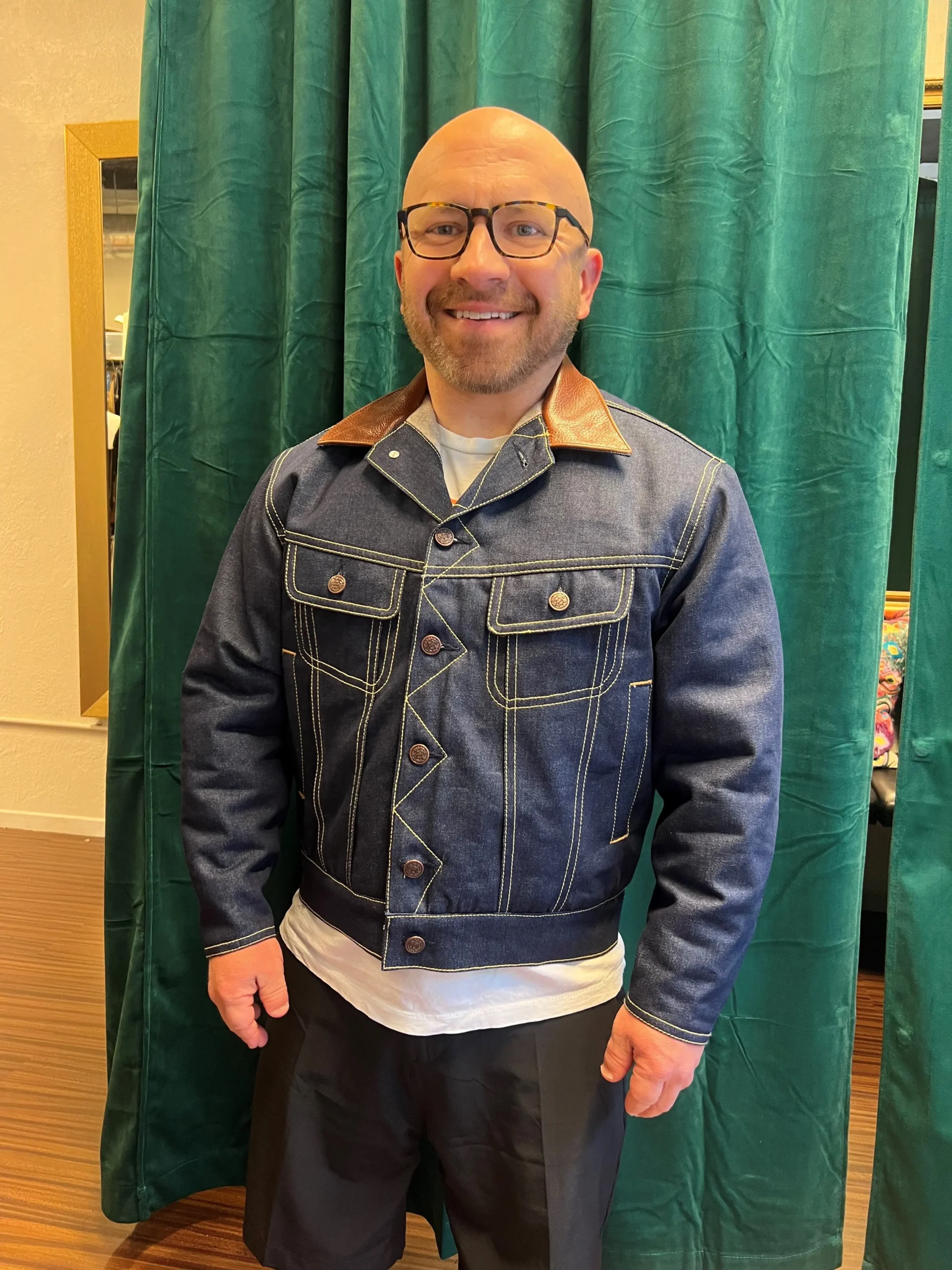
Her clients come from diverse backgrounds: actors preparing for Sundance, dancers performing on stage, or individuals simply seeking clothes that work in daily life. She recalls the moment one client, a performer with dwarfism, tried on a custom-designed jacket and was moved to tears. “He told me he had never looked that good,” she says. “Moments like that are why I do this.”
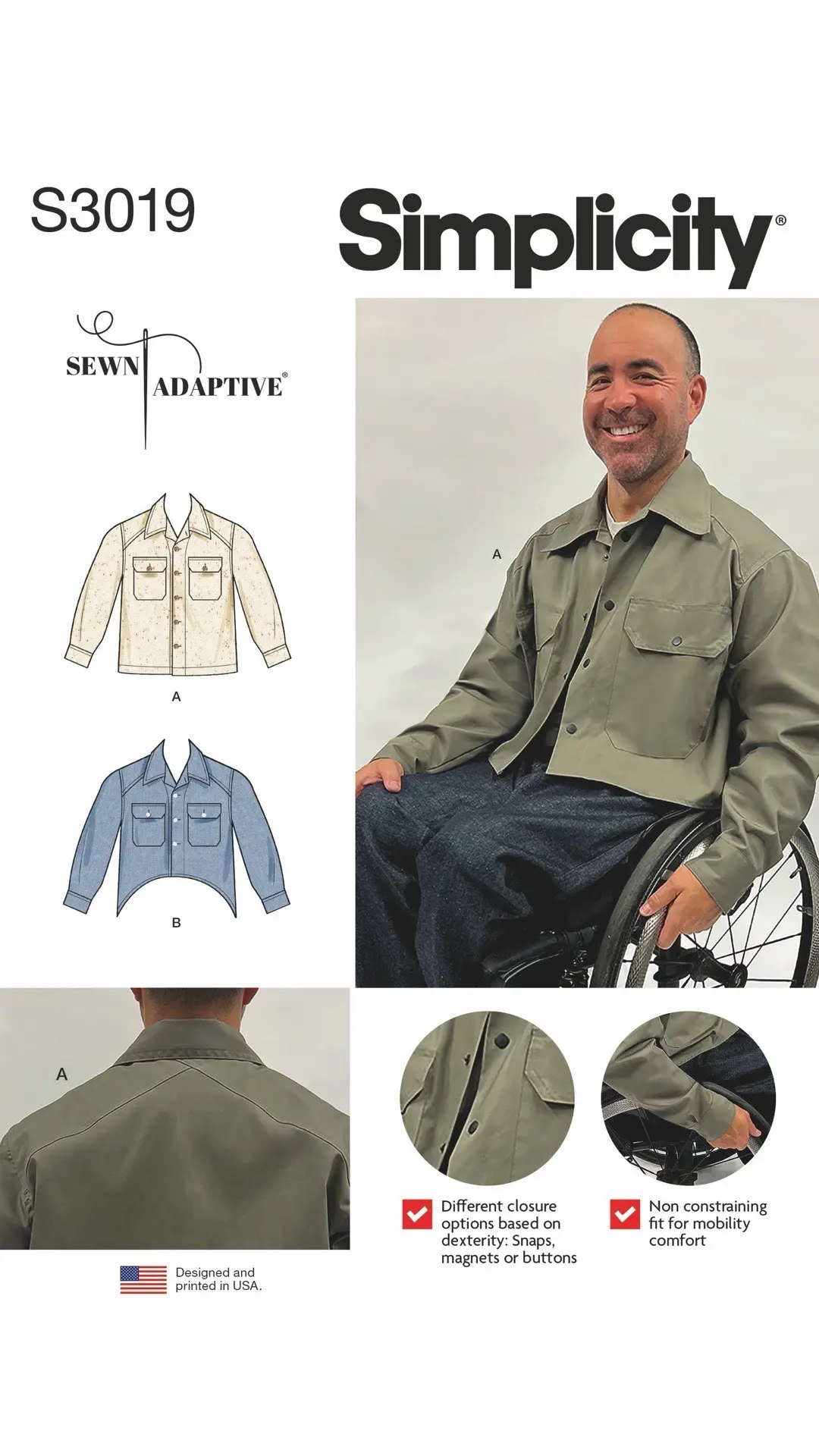
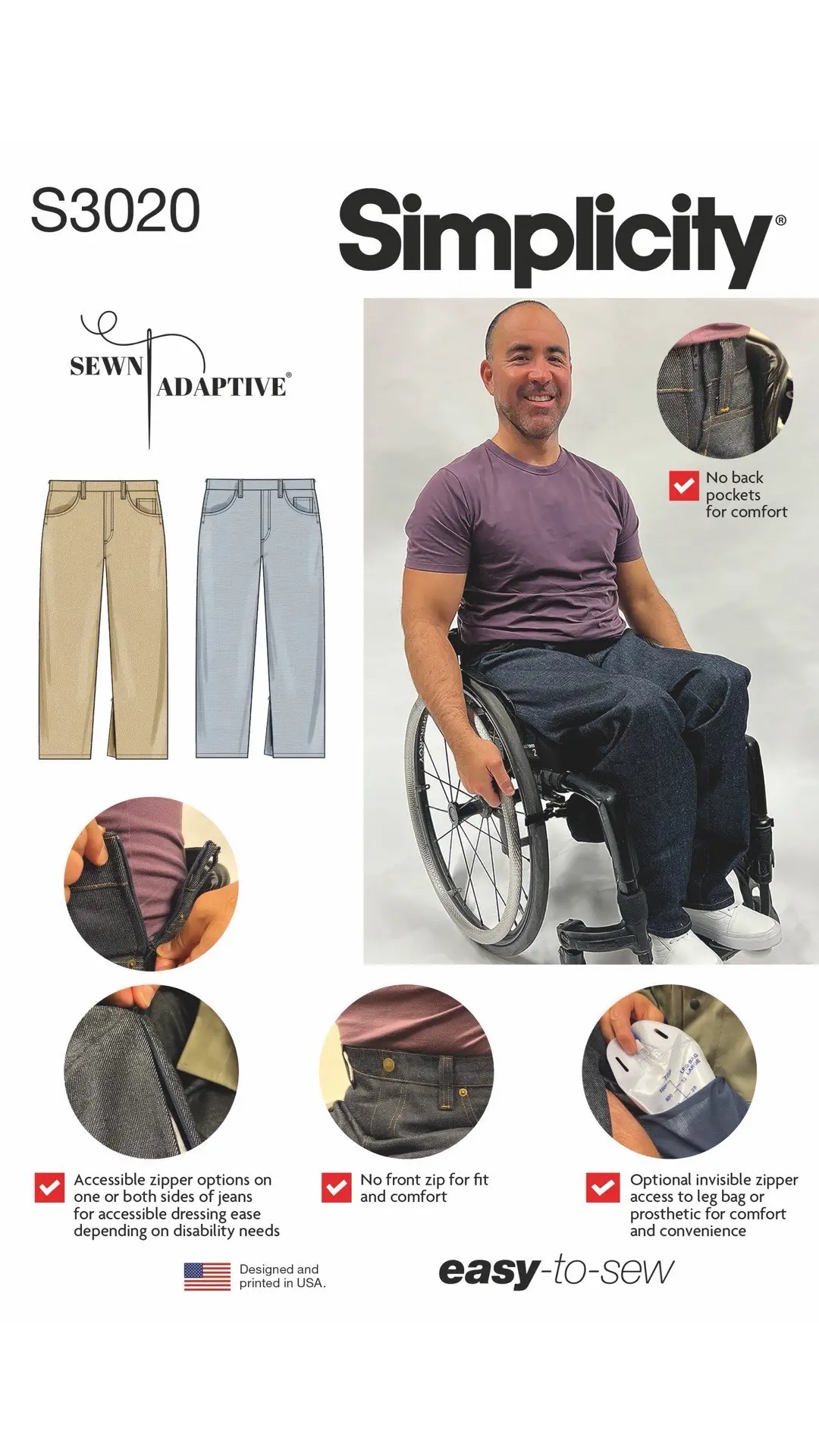
She believes that the industry’s reluctance to scale adaptive design stems largely from concerns about cost. Factories are set up to produce garments in bulk, and introducing adjustments requires new systems. Brannelly believes this challenge is overstated. “It doesn’t take more design ability,” she argues. “It takes awareness and consideration. Those things should already be part of fashion.”
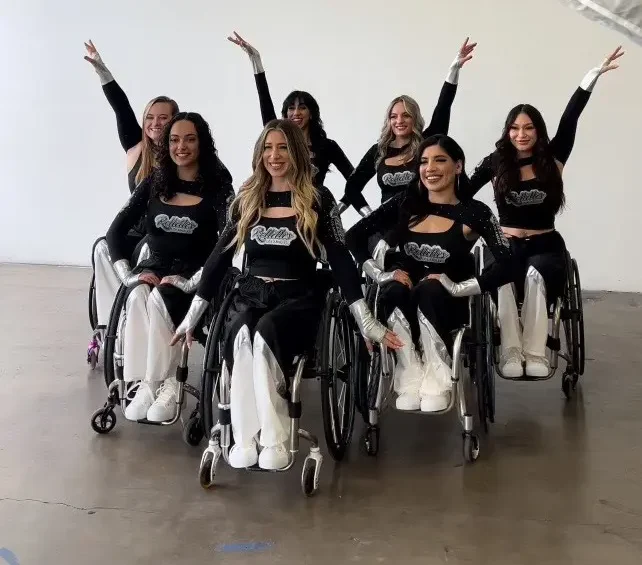
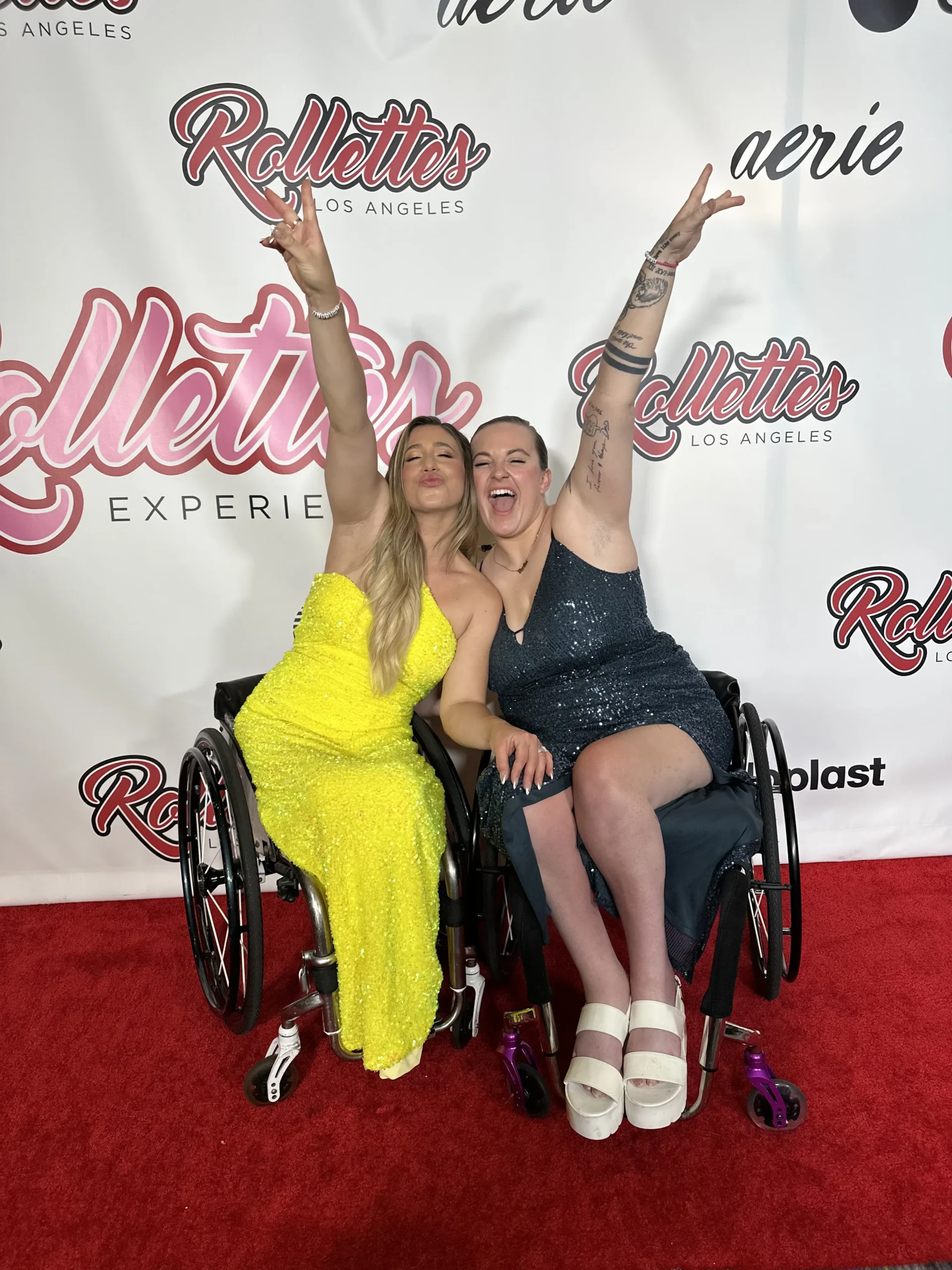
Technology and social media, however, are shifting attitudes. Disabled consumers have become more visible, vocal and influential. Runway shows and online platforms are increasing representation, and Brannelly views this as essential. “People with disabilities want to look as stylish as anyone else,” she says. “Designers must recognize that they are also their clients.”
Looking forward, she hopes fashion schools will integrate adaptive design into their curricula so that emerging designers view inclusivity as standard practice. “If it’s part of education from the start, it becomes normalized,” she explains.
Until then, Brannelly continues her work. Each alteration proves her central belief: adaptive fashion does not require compromise. It requires thoughtful design, the same principle that drives every trend on the runway.