Listen to this Article
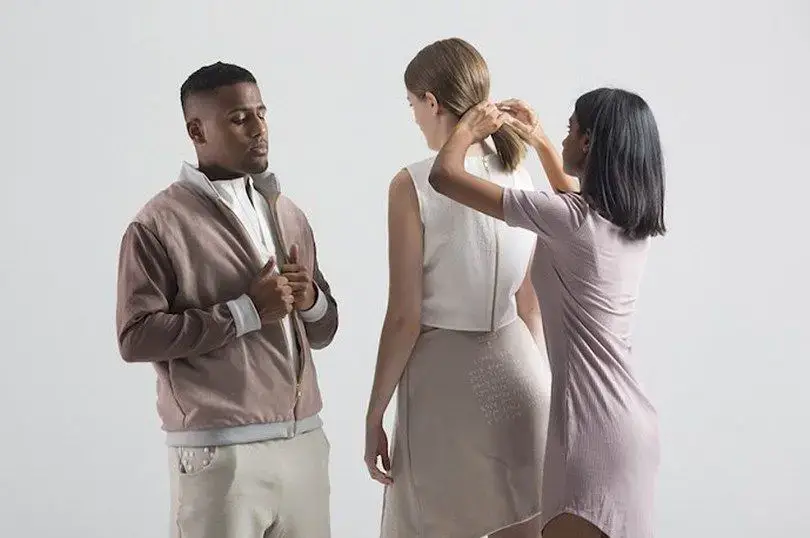
Innovative adaptive clothing with tactile Braille designs empowering blind and low-vision individuals through fashion
Some designers speak through colour. Others through silhouette. Balini Naidoo-Engelbrecht speaks in dots you can run your fingertips over.
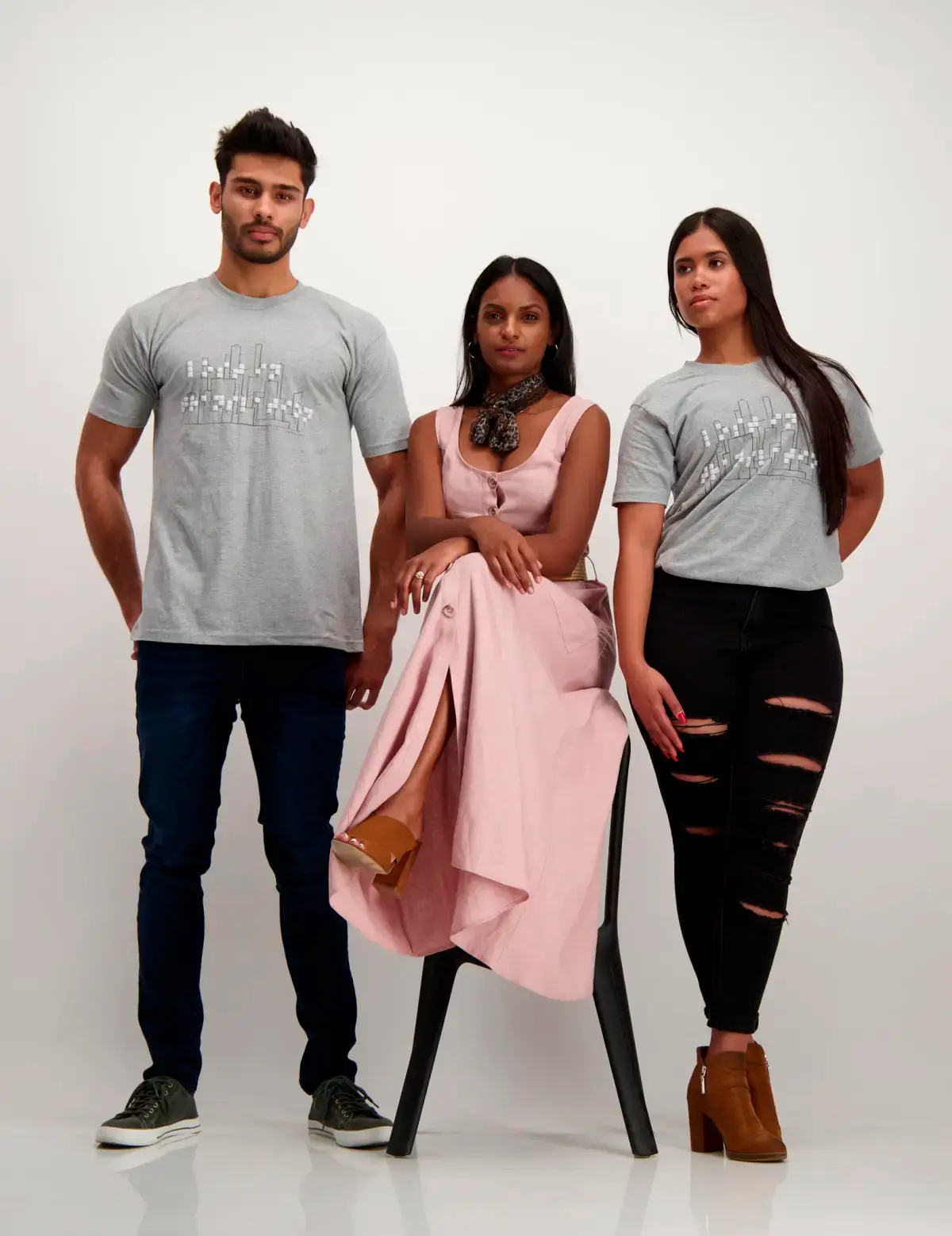
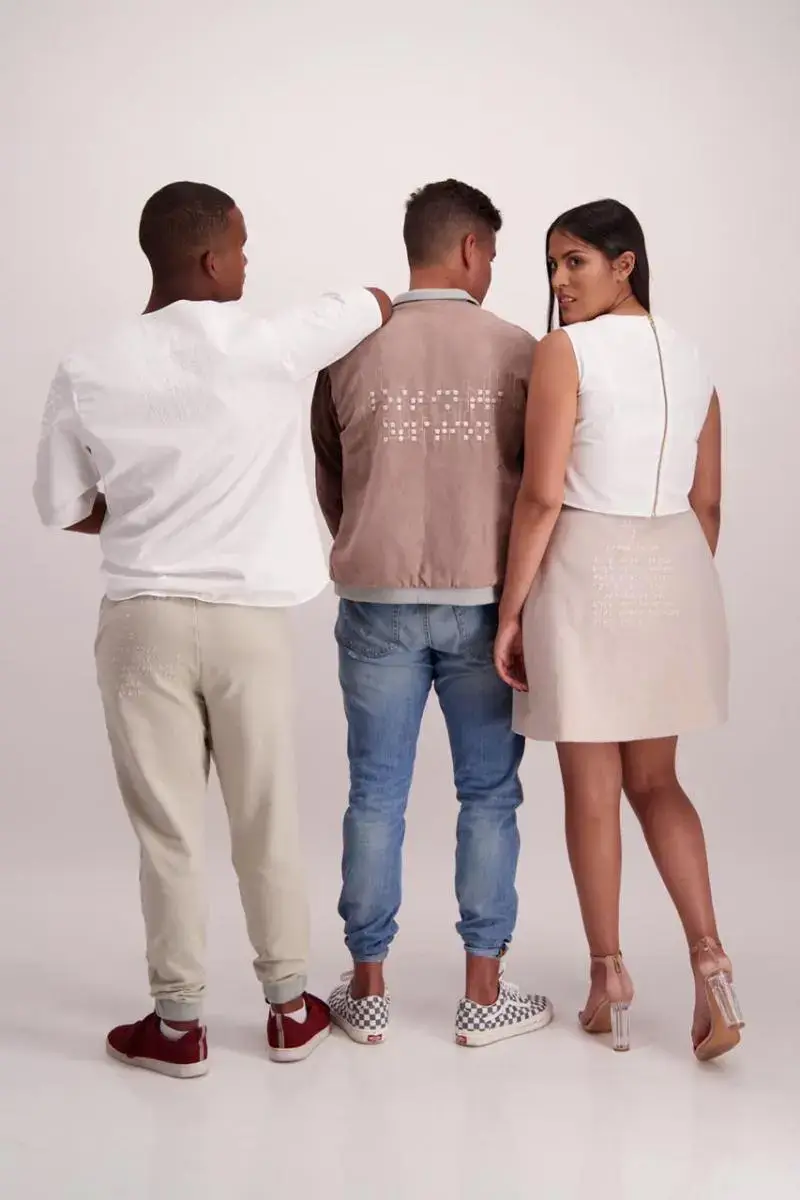
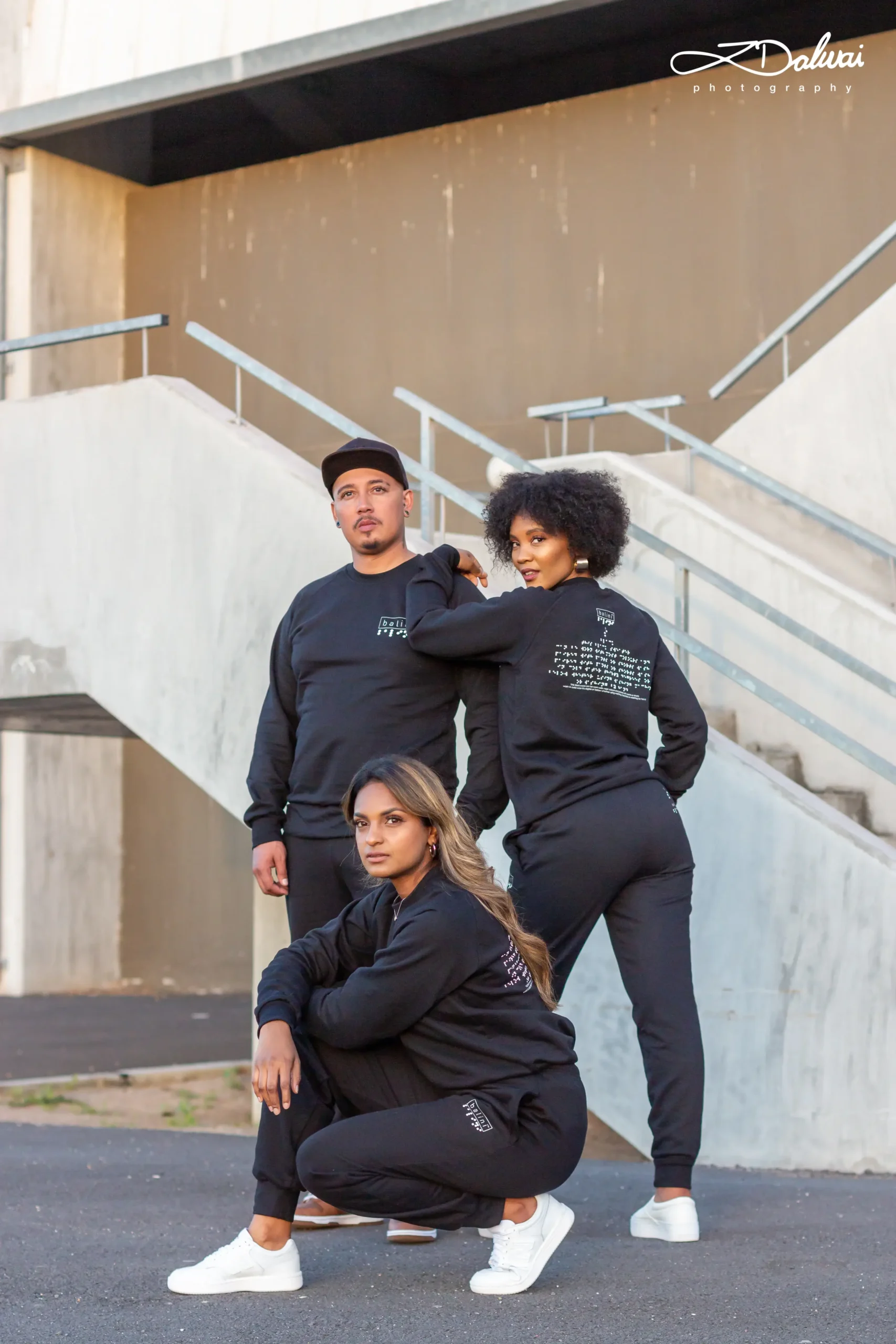
Her clothes don’t whisper or play coy. The braille that spills across her garments is unapologetically visible, printed boldly on the outside. Not hidden in a hem or tucked away on an inside label like a quiet accommodation. This wasn’t a marketing gimmick. It was born from the life she’s lived and the people she’s loved.
Balini grew up in South Africa with a brother who had learning disabilities and a childhood that placed her among children society often kept at a distance. She herself was diagnosed with dyslexia. From an early age she understood what it meant to navigate systems not built for you. She learned that difference wasn’t deficiency but she also saw how easily the world could make people feel like it was.
And then there was her uncle, who was visually impaired. She noticed things sighted people take for granted such as knowing the colour of your shirt without asking, washing it correctly without guessing and dressing independently without relying on someone else’s eyes. In her uncle, she saw the quiet frustration of those moments and began thinking: clothing could do better.
By the time she was studying fashion and textile design at Durban University of Technology, the idea had taken root. But it was not to be just “put Braille on clothes.” It was: create garments for the blind and low-vision that speak directly to the person wearing them. Tell them their colour, size, care instructions, even how to style them. Do it in a way that feels as fashion-forward as it is functional.
The early years were rough. Her lecturers didn’t believe in the idea. “Impossible,” they said. “Pointless.” Research material was scarce. In adaptive fashion, Braille clothing wasn’t a booming niche. It was barely a whisper. She nearly quit, exhausted from running into walls.
Then a friend entered her work into a national design showcase without telling her. She was selected. One small table at an exhibition in Cape Town changed the shape of her career. Orders came in. TV crews wanted interviews. People touched the Braille and asked questions. For the first time, she saw her work in terms of advocacy and an important conversation starter.
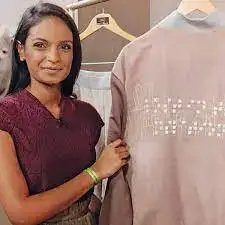
Raised dots, transcribed with the help of organisations like Innovation for the Blind, giving wearers tactile information: colour, size, wash key, styling tips. She sends prototypes to be proofread by visually impaired individuals before production. If the dots aren’t raised enough, they don’t go ahead. The process is slow, deliberate, and deeply collaborative.
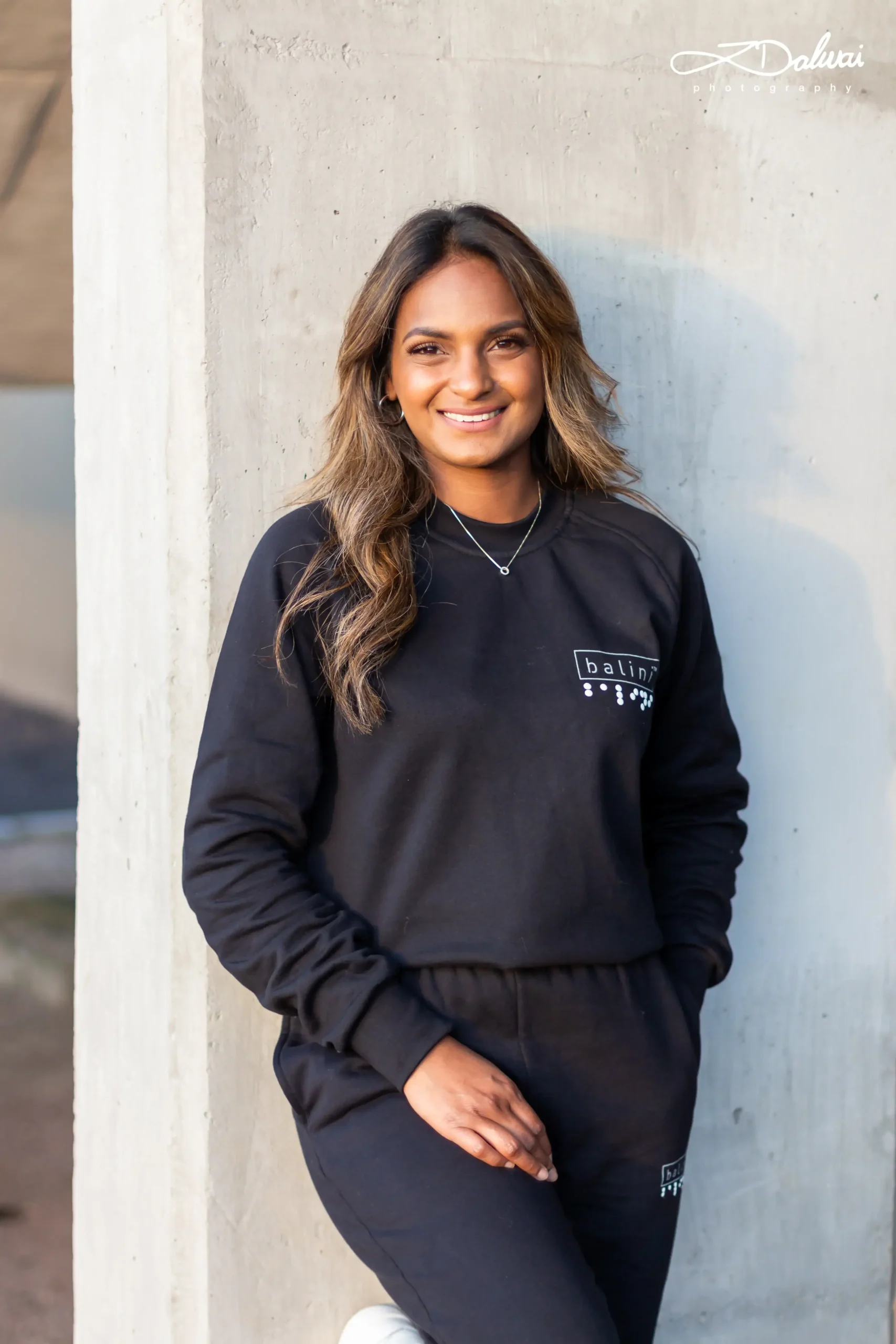
But what makes her work glow is the emotional charge behind it. Last year, while exhibiting at a Woolworths flagship store as part of a youth maker competition, a visually impaired man travelled long distances just to see her collection. He could barely afford the trip. She realised he wasn’t there to shop. He just wanted to touch her garments, to feel the braille, to know someone had thought of him in this way. “Can I give you my number? Will you come visit me?” he asked. She cried right there in the store.
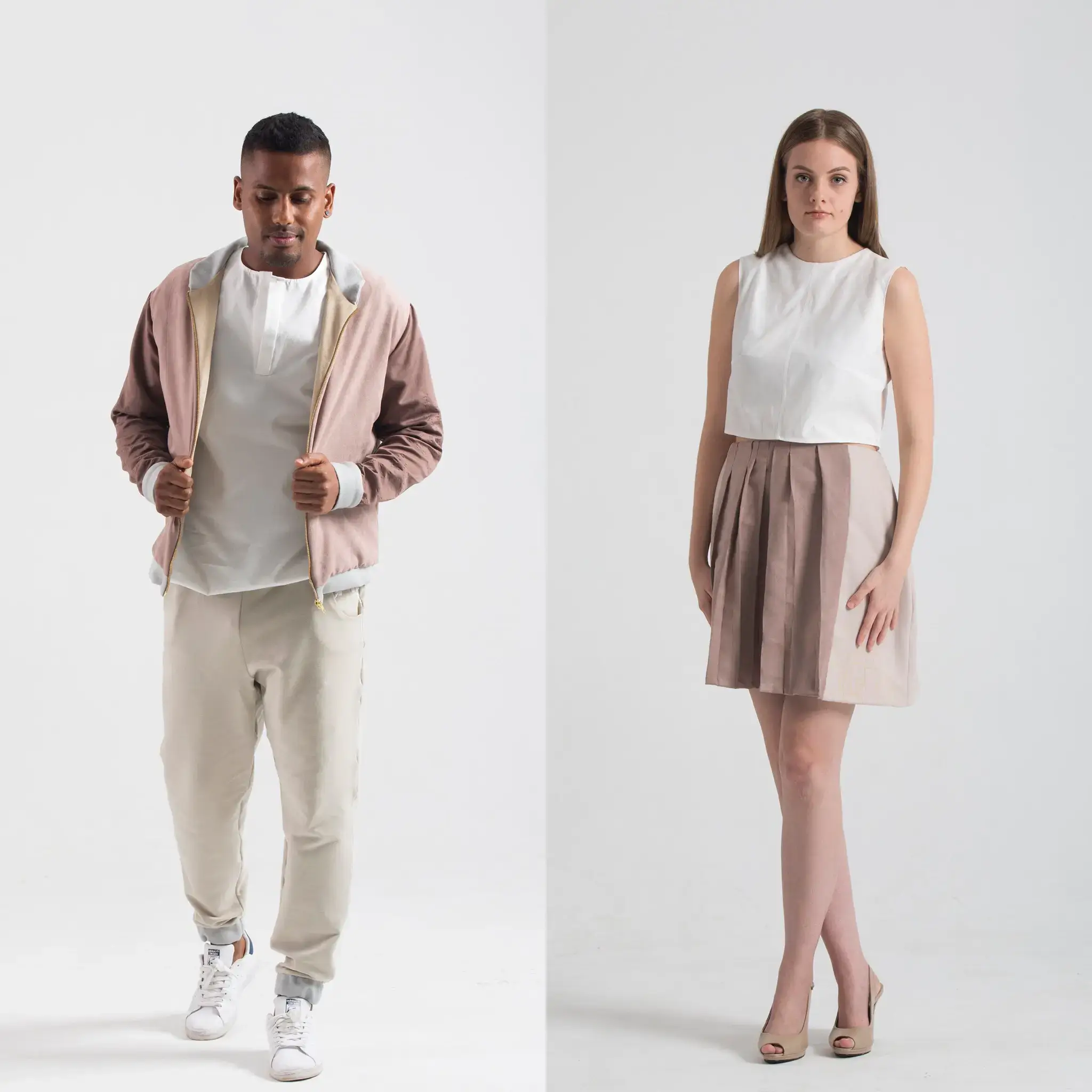
Her designs work on two levels. For visually impaired wearers, they’re practical tools for independence. For sighted wearers, they’re stylish, often monochrome pieces. It’s a considered choice to suit those with partial sight who can be overwhelmed by bright or high-contrast patterns. And for everyone, they’re an education. People think the braille is a cool print until they find out it’s readable. That moment of curiosity turning into awareness is part of the magic.
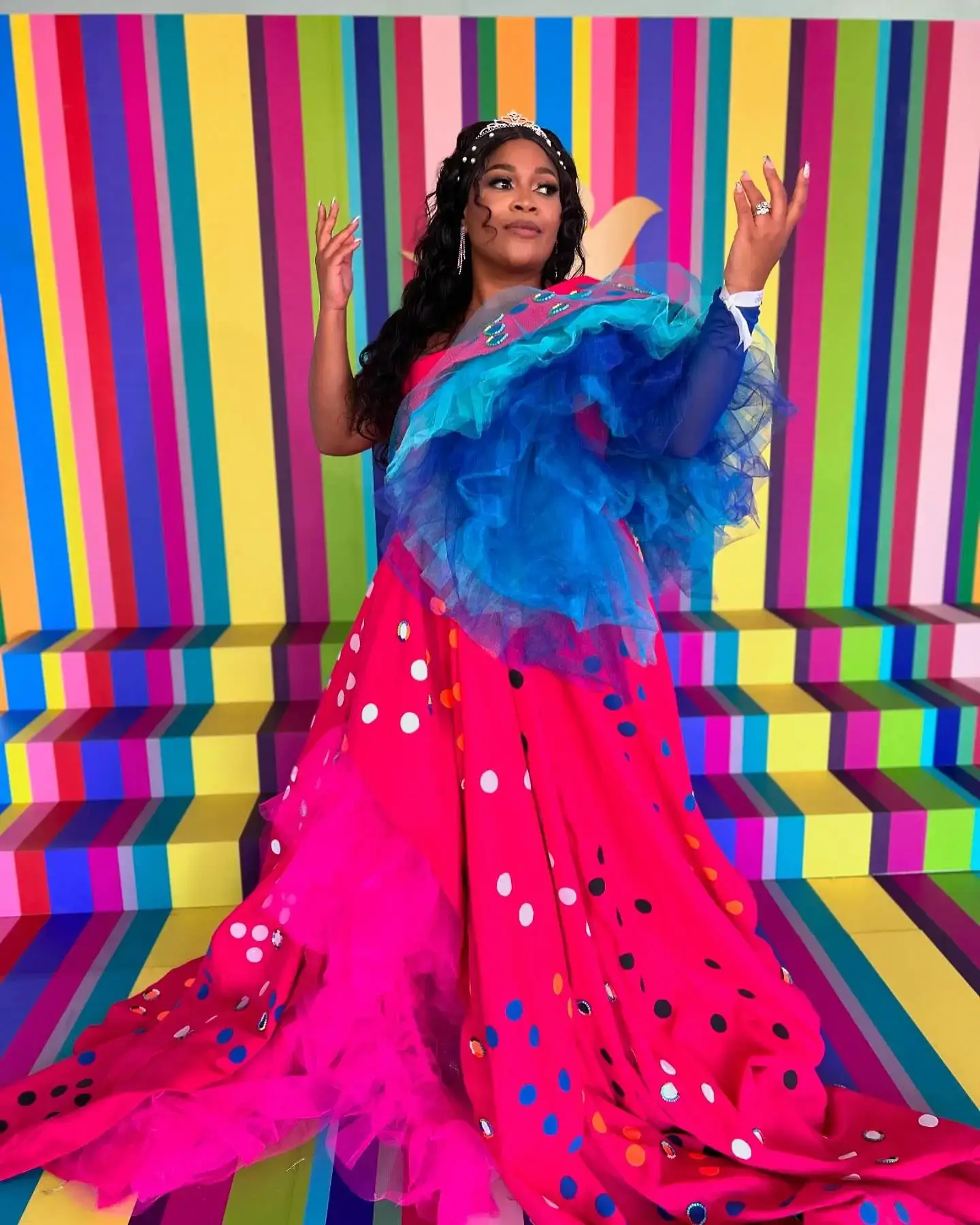
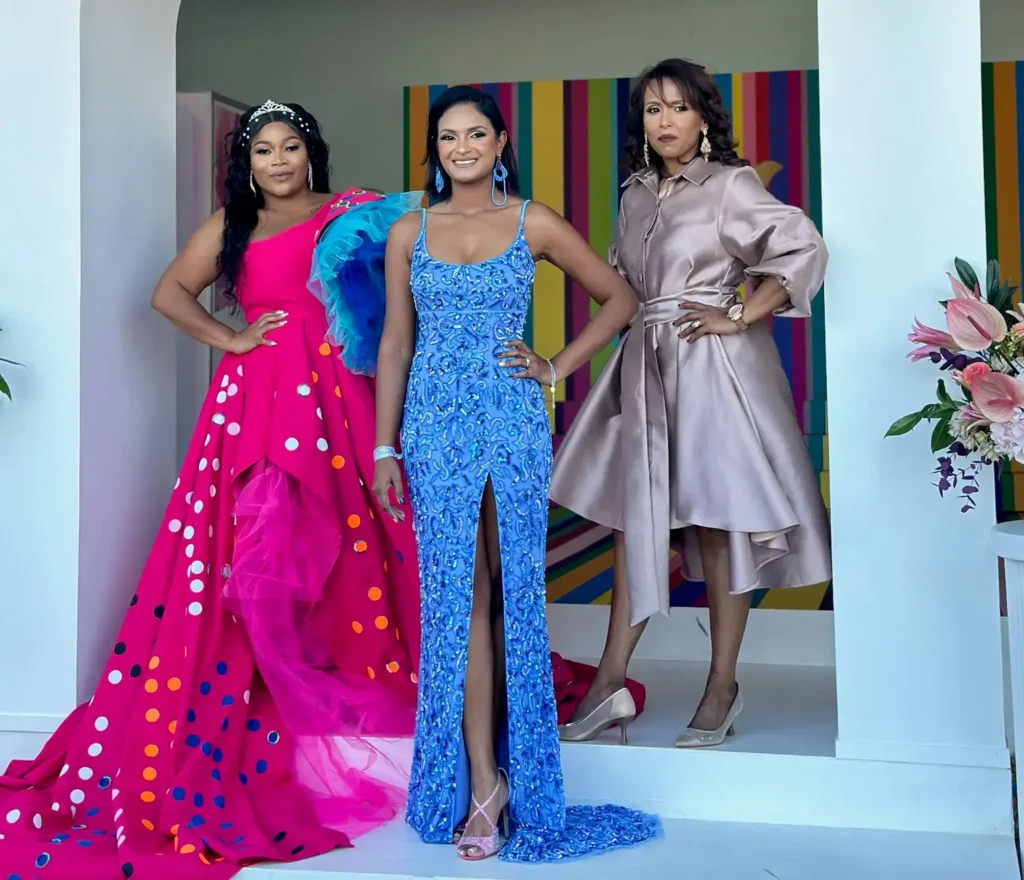
There’s a cultural thread running through her work too. She’s experimented with dramatic couture, like the beaded pink dress she created to be worn at Hollywoodbets Durban July, where braille was woven into African beadwork and bold Shweshwe fabric. The result? A piece that fused tradition, texture and accessibility into one unapologetic statement.
She dreams of expansion: reversible braille bomber jackets in mass production, workwear with discreet braille on collars, medical scrubs with tactile details for ophthalmologists and therapists. She imagines couture gowns embroidered with braille that could walk into a gala and spark conversation without a single spoken word.
And she’s not doing it in isolation. This year she’s building a database of adaptive fashion designers in South Africa, with the aim of producing a fully adaptive fashion show. She wants to bring together garments for every kind of disability: mobility aids, sensory needs, visual impairments, under one glamorous roof. Her hope? That such a show won’t be seen as “special interest” but as a standard part of the fashion landscape.
Yet behind the ambition is a tenderness that drives it all. Balini has been into homes and shelters where visually impaired people spend their days crocheting but have never been taught to read braille. She’s sat with them, handed them handmade bead alphabets, and watched their faces light up as they learned to read their first letters. She knows many in South Africa never get the opportunity and it’s a reality that still shocks her. “Imagine living your whole life without reading anything for yourself,” she says. “It’s so sad.”
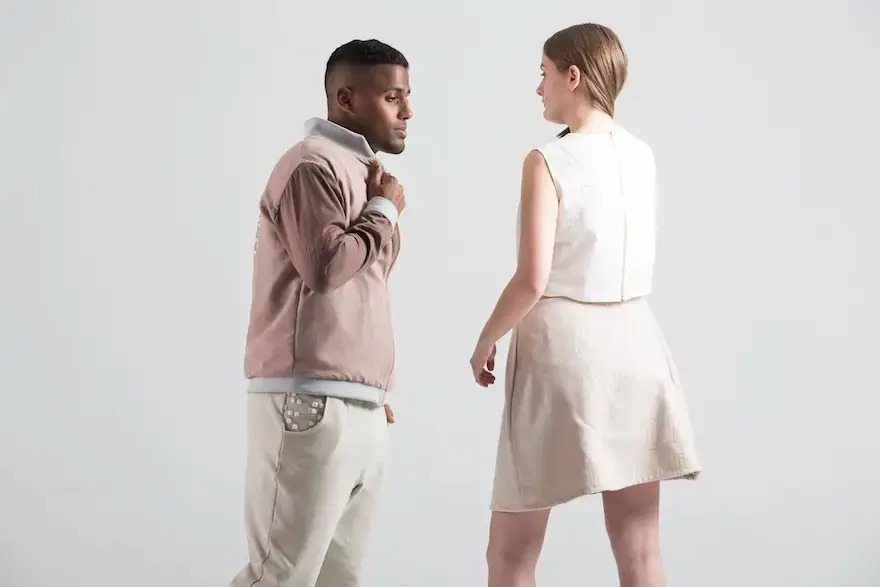
She carries these moments into her designs. That’s why she refuses to hide the braille. It’s why she makes her business cards with raised letters. It’s why she won’t just sell clothes but also travels to various communities to teach people how to read them.
Her motto is simple: What you do for yourself dies with you. What you do for others lasts a lifetime. Every garment is an act of that belief.
She dreams of collaborating with someone like Christian Dior, not for the glitter of the name, but for the reach. “It would need to be someone with purpose,” she insists, “someone who would wear it to share the story.”
She previously stocked her garments in South African Woolworths stores, trying to keep prices as affordable as possible, mindful that many visually impaired South Africans rely on grants. While her products are no longer available in retail, she will soon be offering braille clothing through her website and social media. In the meantime, she can be contacted directly. She creates custom Braille garments for individuals who want a personal message woven into their clothing and for corporate events.
What does she want people to feel when they wear a Balini piece? She pauses, searching for the right word. Maybe proud. Maybe seen. Definitely connected . . . to the garment, to its message, to the community it represents.
In Balini’s world, clothing does much more than cover your body. It speaks to you. It holds you in a quiet language of dots and care. And in a fashion industry obsessed with sight, she’s creating something radical . . . a style you can read without looking.
In every raised letter and tactile curve you’ll find the same truth: fashion can be beautiful and functional without compromise. Balini Naidoo-Engelbrecht is proof.