Listen to this Article
Fashion’s most interesting disruptors aren’t waiting for permission — they’re building their own lane. Enter Cienna Ditri, the creative force behind @chronicallypersevering, whose feed feels like a manifesto in motion. Her looks are sharp, clever, and unafraid to provoke — equal parts runway intellect and lived reality.
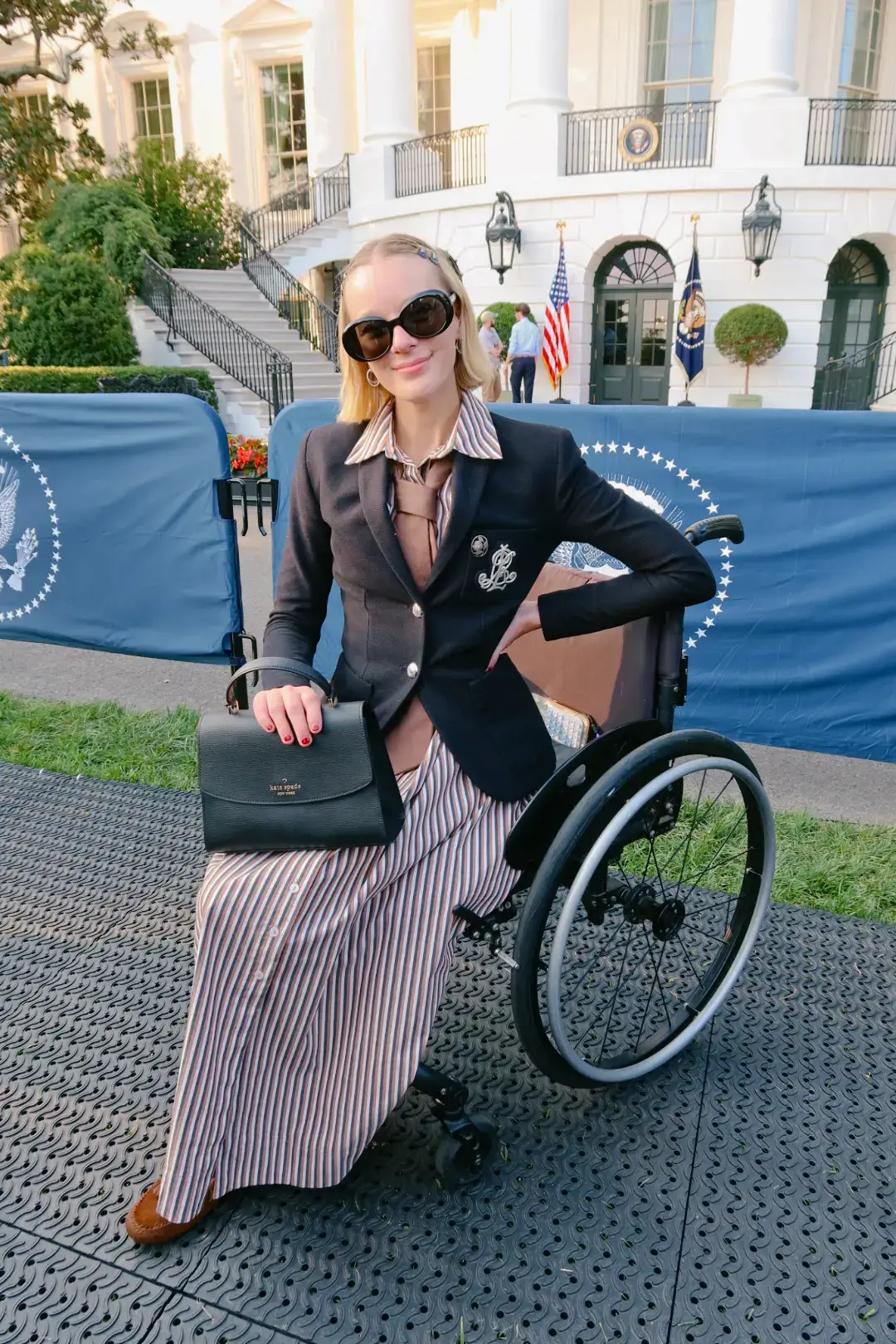
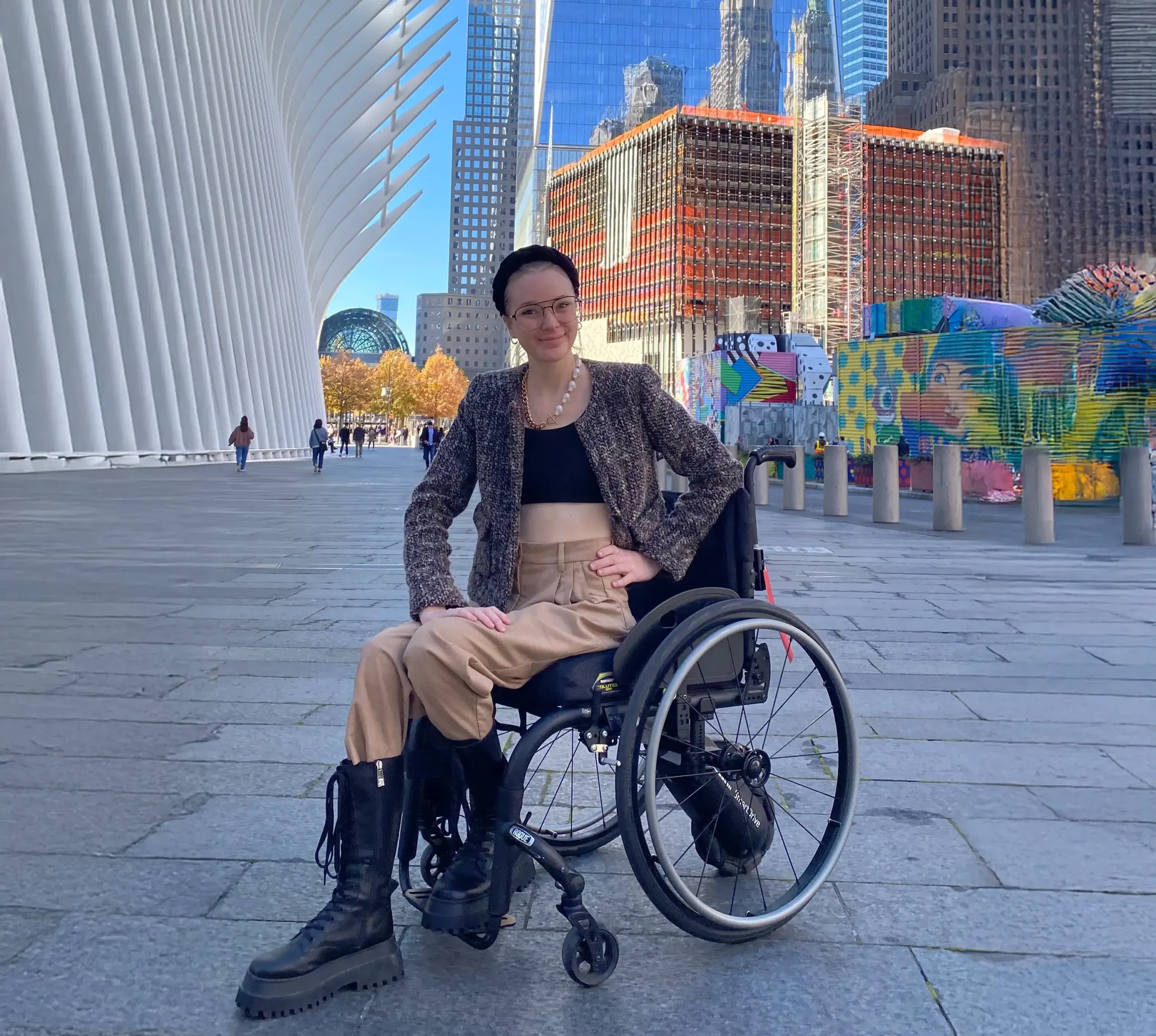
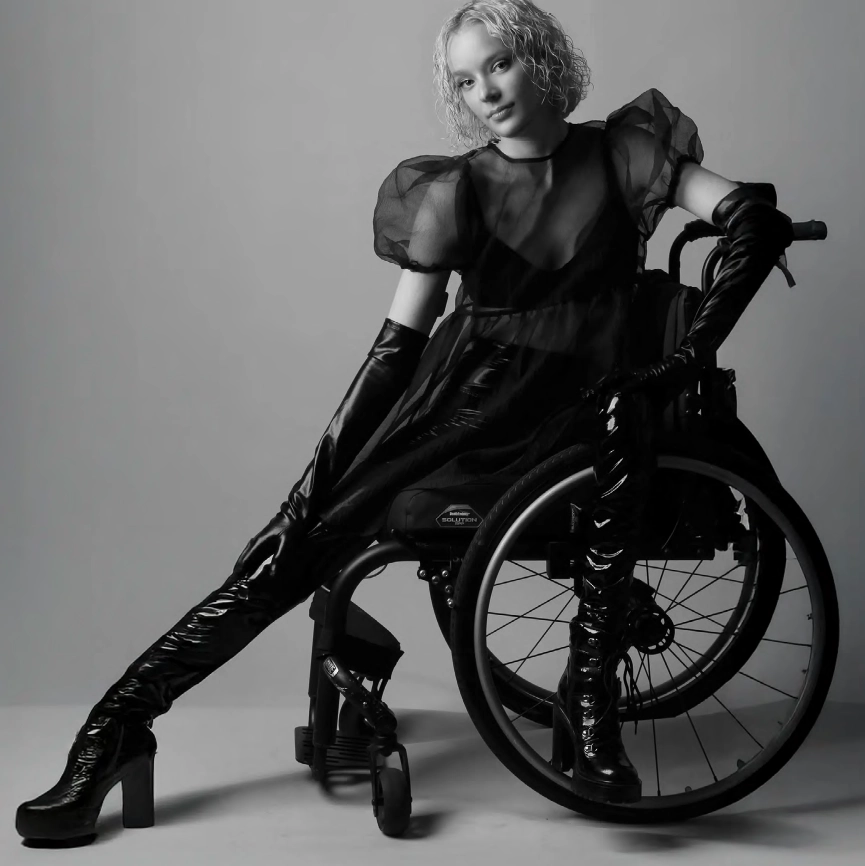
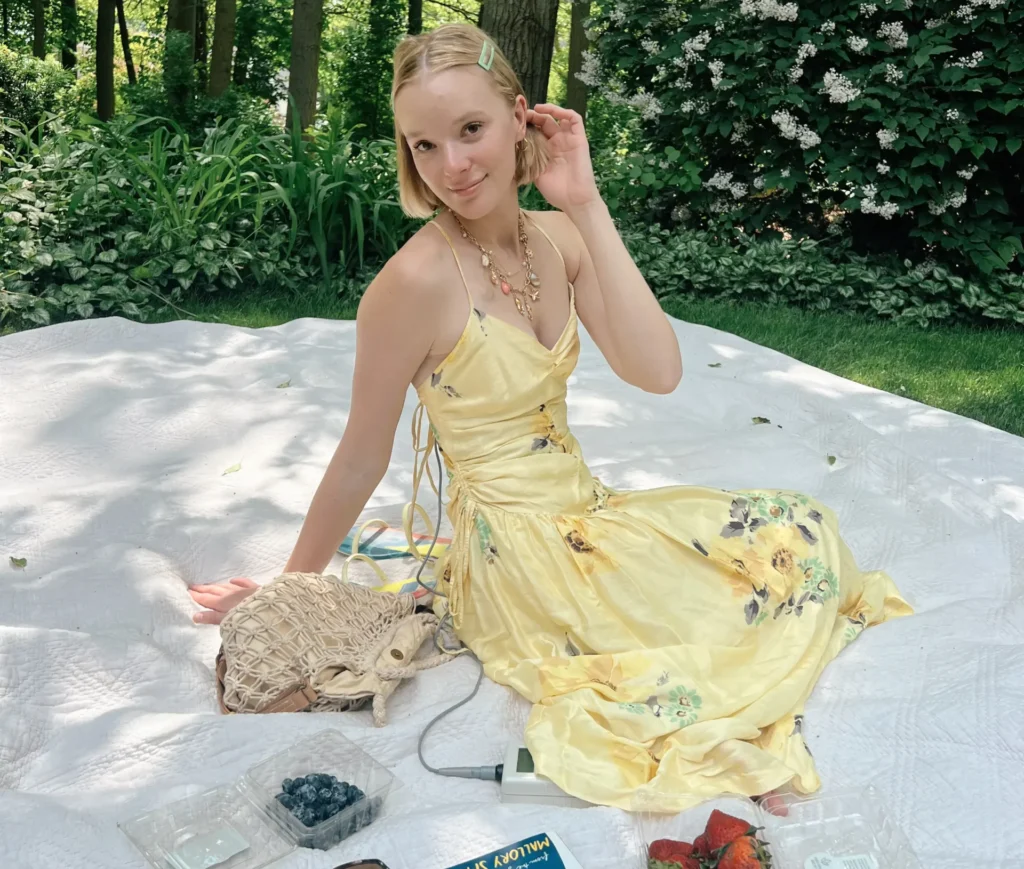
Cienna doesn’t “make the best of it.” She curates it. Her aesthetic is a tactile diary of contrasts — an oversized khaki trench shrugged over a corseted knit top, vintage Levi’s resting just so atop loafers, pearls layered next to hardware chokers. One day she’s in monochrome chocolate tones with a structured coat that would make Phoebe Philo proud; the next, she’s pairing slouchy streetwear with a baroque hair clip that feels like it fell out of a 1990s Vogue Italia spread. Every detail is intentional — less about perfection, more about presence.
Fashion has always been her mother tongue. Raised on runway shows and glossy magazines, Cienna learned early that clothes tell stories — even the complicated ones. Living with a chronic condition hasn’t muted that voice; it’s refined it. Her wardrobe mirrors the rhythm of her body: some days require softness and stretch, others demand armor. “Fashion gives me agency,” she says. “It’s not about hiding symptoms; it’s about expressing my reality with style.”
Her approach fuses functionality with editorial precision. Adaptive fashion, in her world, isn’t beige Velcro or watered-down design — it’s elevated tailoring that works for every body. Think magnetic closures disguised as couture detailing, structured silhouettes that move with the body, and pockets placed exactly where they should have been all along.
Cienna’s visual vocabulary reads like the next generation of accessibility: tactile luxury, practicality with polish, and no compromise. “Accessibility isn’t a feature,” she insists. “It’s a design standard.”
She celebrates brands experimenting with inclusive lines — from JCPenney to Anthropologie’s adaptive pieces— yet she’s unflinching about fashion’s gaps. “Until adaptive pieces hang on the same rack, and are styled with the same eye, it’s still performative,” she says. “We deserve design that doesn’t need explaining.”
On Instagram, her community is built on power and style in everything that she does. She shares outfit breakdowns alongside mobility hacks, unfiltered commentary on fashion weeks, and honest glimpses into life with chronic illness — all with the tone of a front row fashion insider who truly embraces living with disability.
For Cienna, disability inclusion isn’t about a single campaign or casting decision. It’s systemic: disabled stylists behind the lens, designers at the table, models in front of the lens, editors making the calls. “The future of fashion depends on diverse minds shaping it” she says.
She nods to platforms like Fashion Is For Every Body in Nashville as proof that real change is possible when every body is represented. It’s not tokenism; it’s taste evolution.
Her advice to emerging disabled creatives echoes with practical wisdom: share your style openly, imperfectly, and embrace being you. The collective voice of the disability community is a powerful force for innovation, pushing boundaries and rewriting industry standards, one hackable piece of apparel at a time.
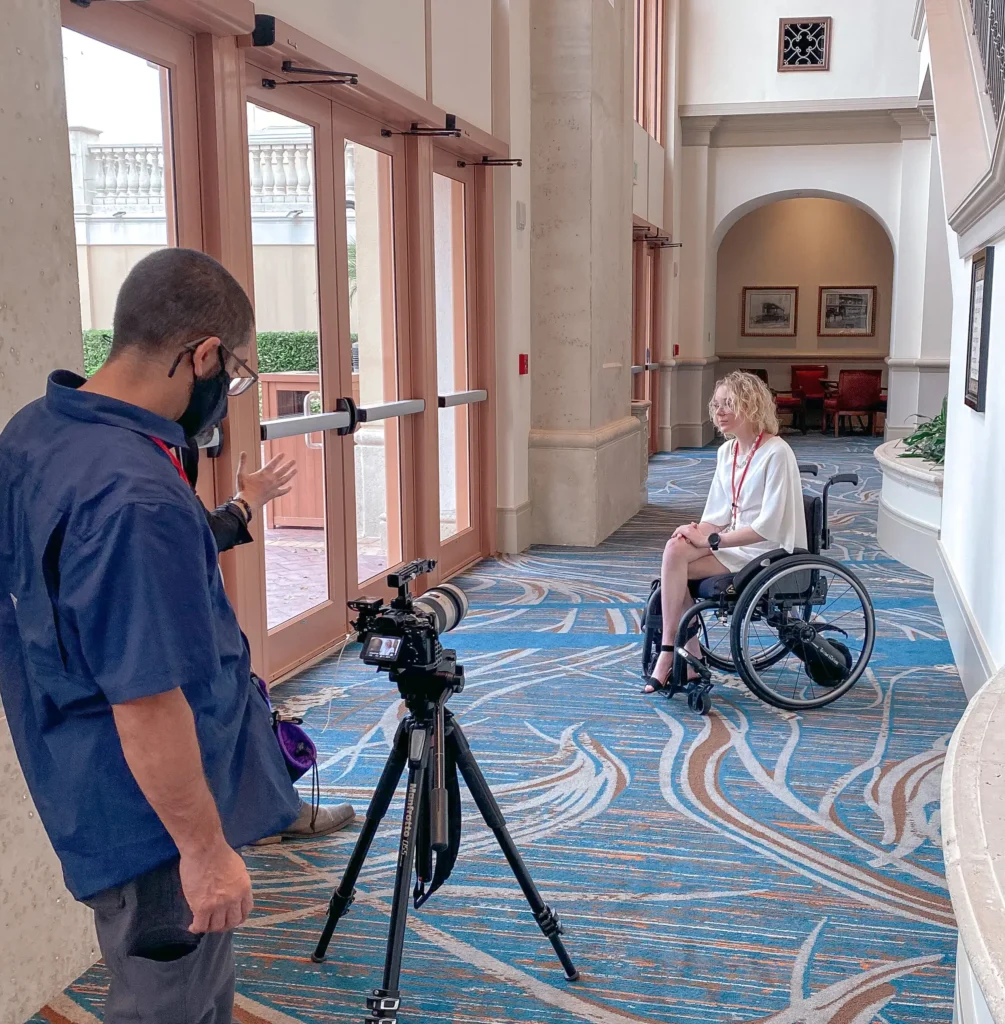

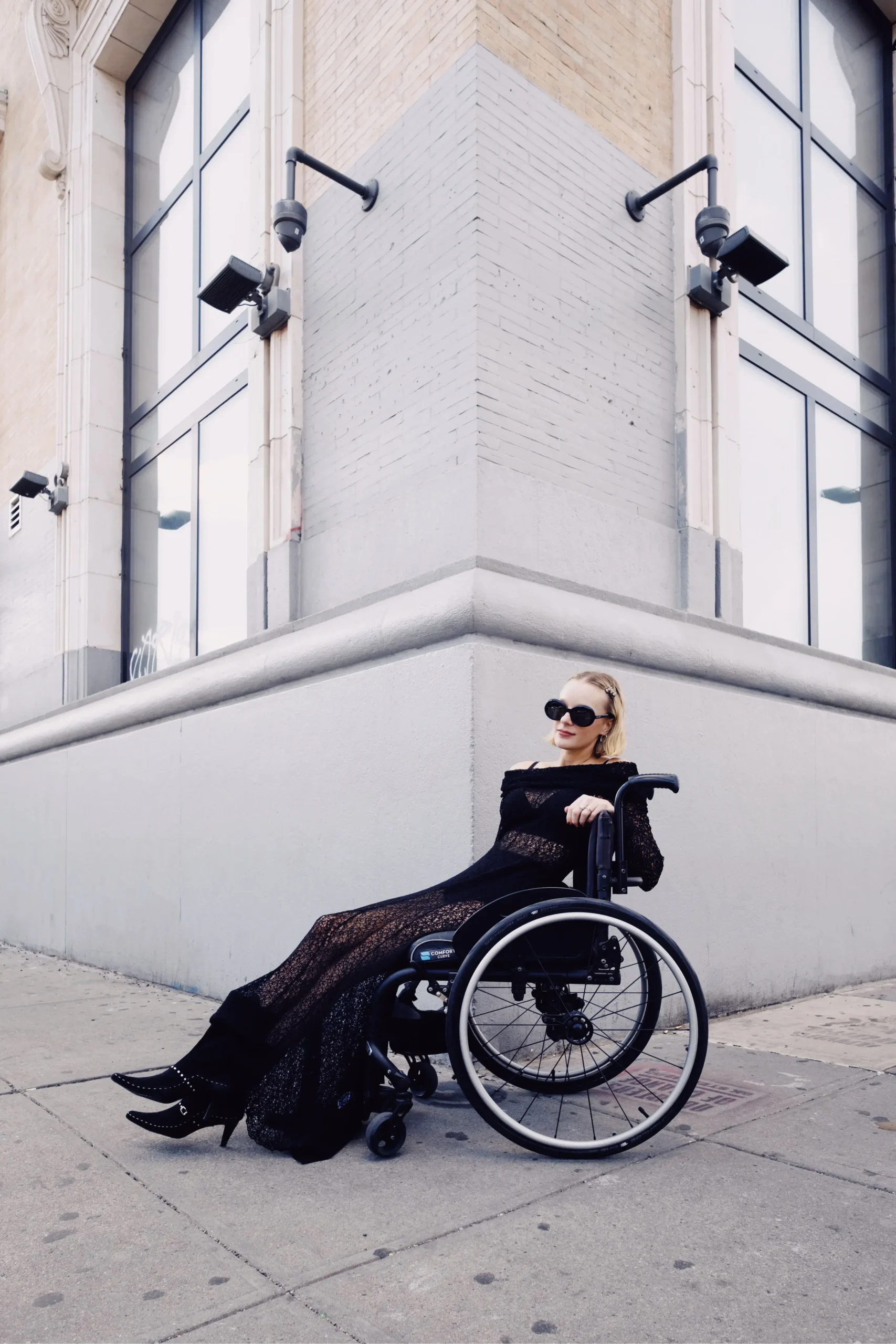

Cienna Ditri isn’t the future of disability fashion — she’s the present tense of what fashion should already be: intelligent, intentional, and inclusive without the apology. She emphasizes that accessibility shouldn’t be an afterthought. From how stores are set up to how brands market themselves, she believes in creating spaces and products that serve all bodies.
And her message to brands? Keep pushing boundaries, embed inclusion into your core, and recognize that style is a powerful tool for expression and community. When everyone’s body is reflected on the runway and in campaigns, that’s when fashion truly feels like everyone’s space.
As she rolls through city streets in a perfectly cut blazer, pussy bow blouse, and a swipe of red lipstick that could stop traffic, Cienna doesn’t just redefine fashion. She reminds the industry what it’s been missing — edge, authenticity, and a point of view.