Listen to this Article
On a warm Sydney afternoon, 72-year-old Linda — now living in a nursing home — slowly lowers her very swollen feet toward the gold sandals that once welcomed one foot and fought the other. This time, after a shoemaker added a discreet strip of elastic, both shoes finally slide on. She tears up. “Now you need painted toenails,” stylist Amanda tells her, laughing. “Or you won’t be the princess.”
Welcome to @dressability_sydney , where adaptive styling feels less clinical and more like a fashion play date.
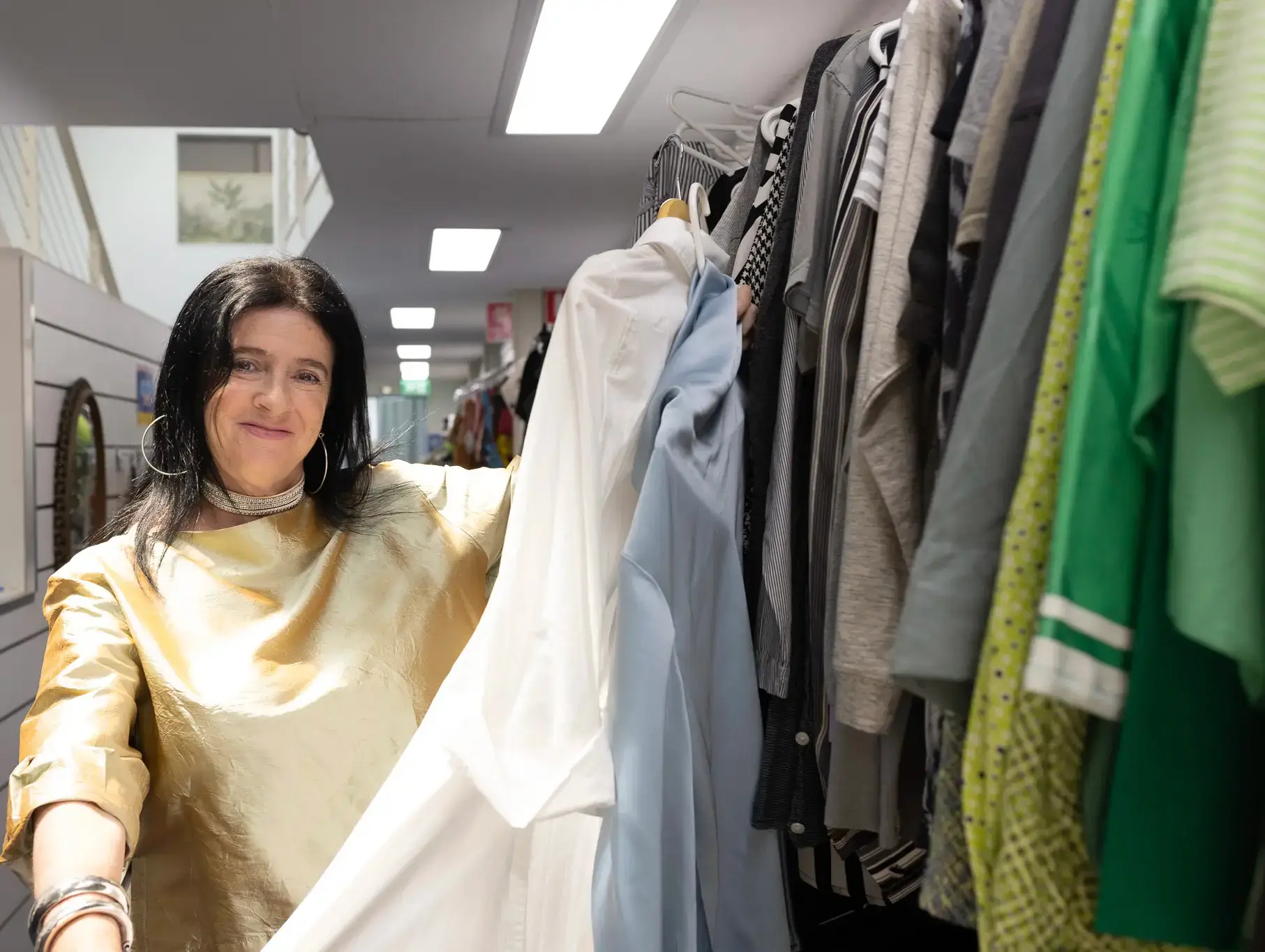
Amanda Fox spent years in film and television as a production designer — creating sets, sourcing props, scouting locations, and working alongside wardrobe departments. Now her cast is real clients: stroke survivors, autistic twenty-somethings, elders in nursing homes, cane users, wheelchair icons, people who hate shopping and people who secretly adore it.
Dressability began quietly during Covid, when Fox was working in disability support and accompanying clients on errands. One client with Alzheimer’s shifted her entire path. When Amanda arrived dressed the way she always does — polished and intentional — the client looked her over and asked, “Why are you dressed like that?” Amanda explained that dressing well simply made her feel good. The client admitted she thought she could never dress the way she used to. Track pants had become the default because they were easy to slip on without help.
Amanda suggested they go shopping together. The client hesitated, worried she might fall, hold someone back, or that the world outside had quietly closed its doors to her. Amanda told her they would navigate it side by side. That moment cracked open the idea that would later grow into Dressability: fashion as a place where confidence could return, where identity could breathe again, where no one had to settle for clothes that dimmed who they were.
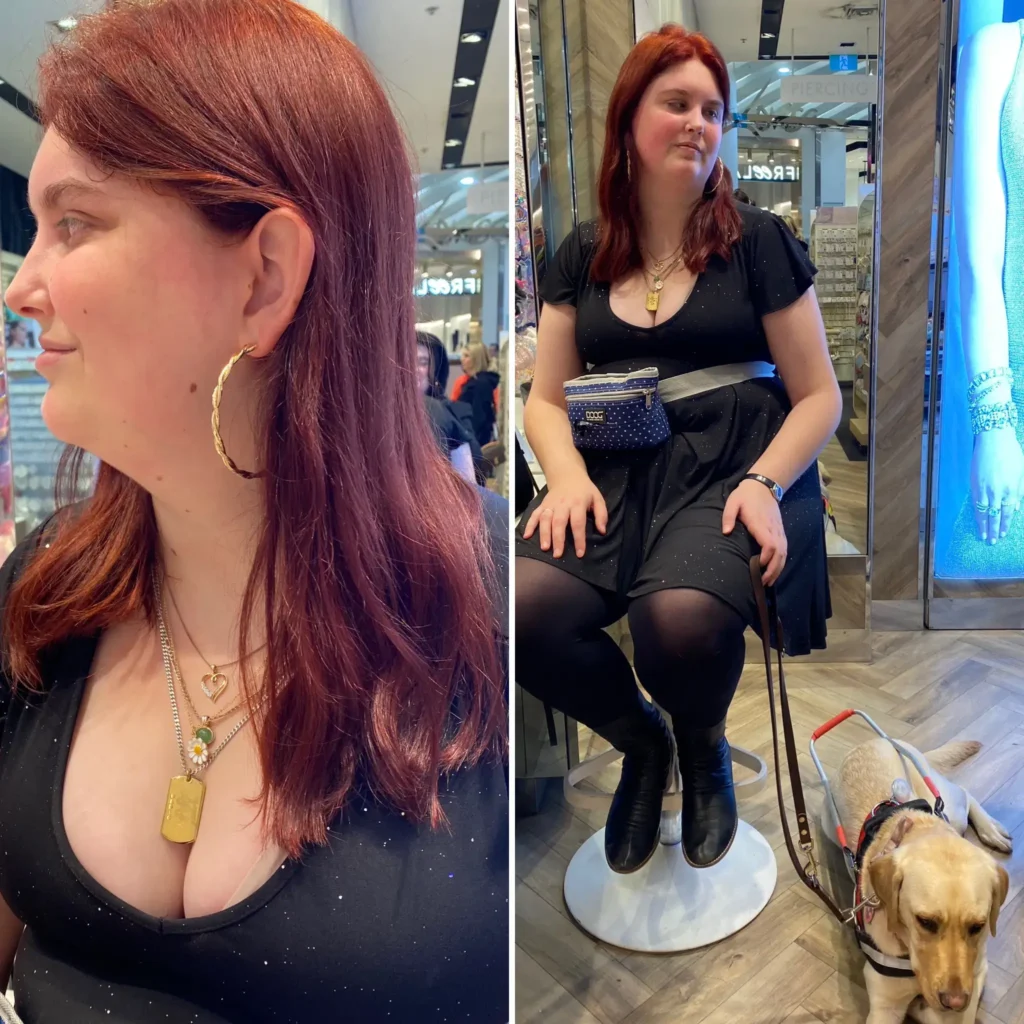
Since then, Fox has navigated Sydney’s packed shopping centres with an instinctive eye, reading the room as closely as the racks. She steers clients toward wide change rooms when they need space, notices the flicker of anxiety when speech grows fragmented, and steps in with quiet confidence. If music blares too loudly, she asks for it to be turned down. If fatigue creeps in, she finds a chair before a moment unravels. Bit by bit, she adjusts the world around her clients so they can focus on the clothes instead of the obstacles.
Then comes the fun. Before any trip, Fox holds a discovery chat where clients share what they look for, what feels good on their bodies, what fabrics or lighting might overwhelm them, and what they hope to wear for daily life or special events. Once they head into the shops, Fox watches closely. She notices who reaches for colour even when they insist they never wear it. One client kept pausing at orange dresses, quietly convinced she shouldn’t try them. When she finally stepped out in one, she was stunned — it felt perfect. Moments like that are common. As clients settle in, they relax, forget the logistics Fox is quietly managing, and start enjoying the process of choosing pieces that reflect who they are.
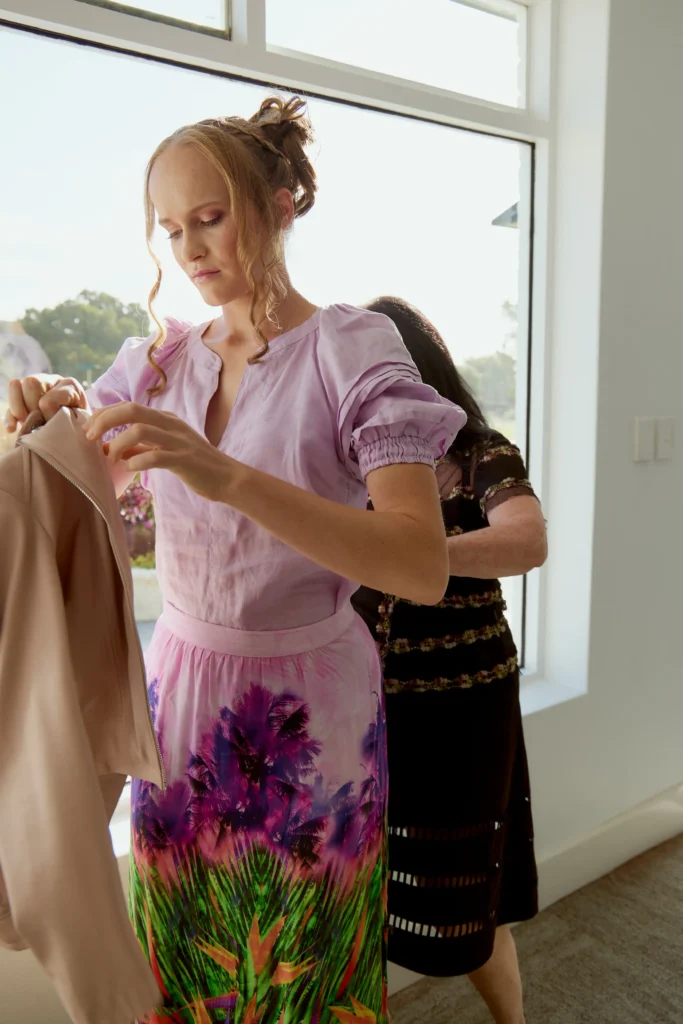
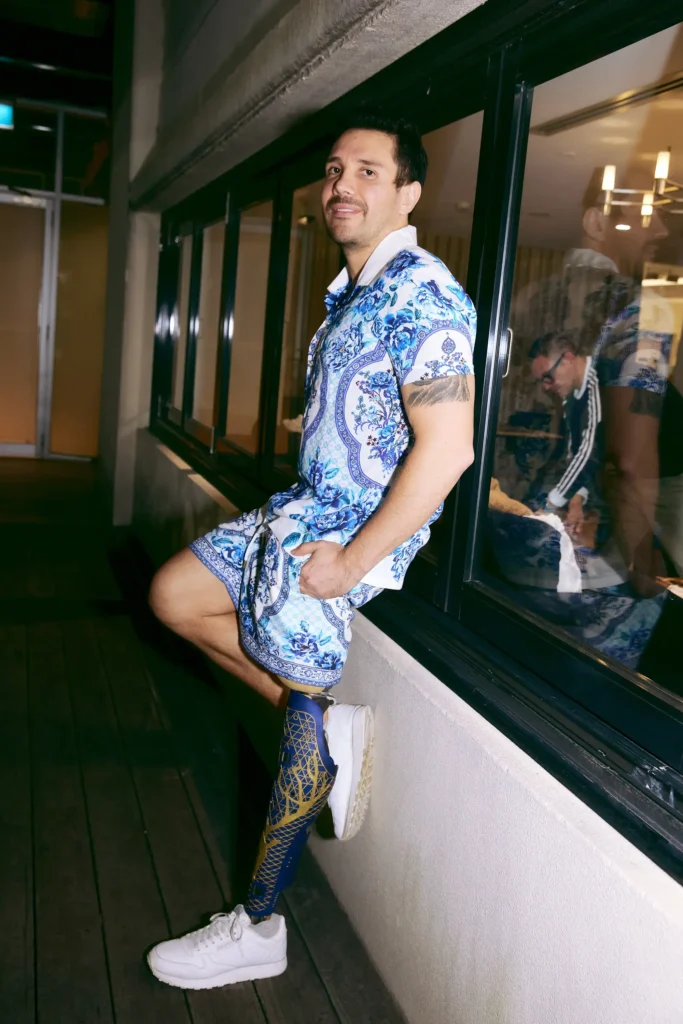
Her world is heavy on pre-loved finds, vintage treasures and clever tailoring. Quality seams mean room for adaptation. Tailors adjust hems or trousers around braces, working with fabrics that allow subtle changes without compromising style. She once styled a model with a striking blue prosthetic marked with a gold figure, pairing it with bold prints from an Australian designer so the entire look felt intentional, modern and proud.
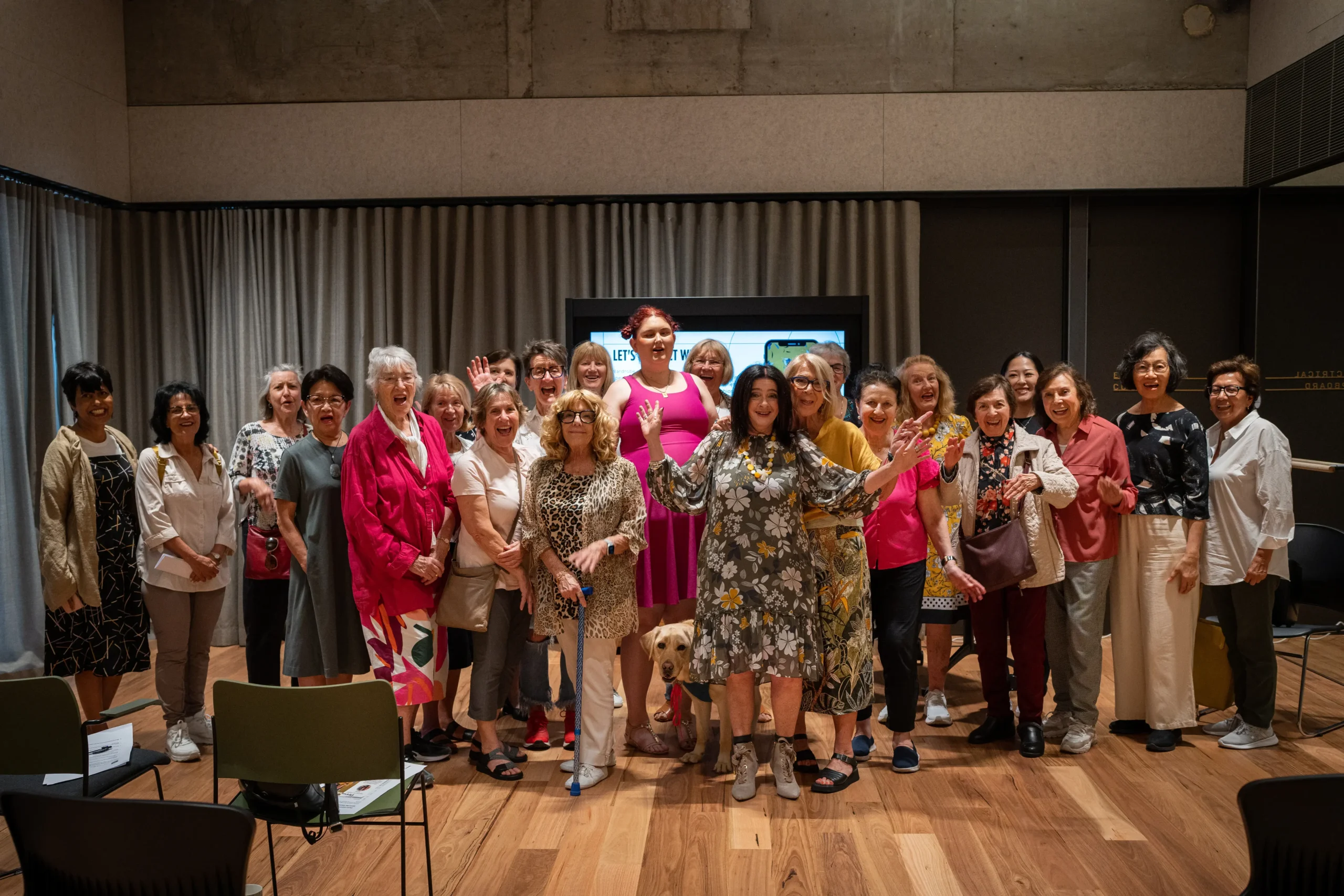
Fashion, in Fox’s hands, shifts from exclusion to open invitation. Health organisations such as Stroke NSW invite her to speak, and relief floods the room when the conversation moves from medical routines to clothes. Her unofficial manifesto lives in one word: EVERYBody. All genders, all ages, all abilities. No one left on the bench in track pants unless they truly love them.
Her work opens doors many clients once assumed were closed.