By Jacob Rosser
Listen to this Article
A PERSONAL NARRATIVE . . .
Hi. My name is Jacob and I am 22. I have never been much into fashion. The truth is, like many neurodivergent people, I hate the texture of many fabrics. I hate the feel of tight clothing, I hate the feel of jeans, I hate putting on cold clothing. I hate buttons, and no thanks to stiff clothing. These sensitivities make dressing a big challenge.
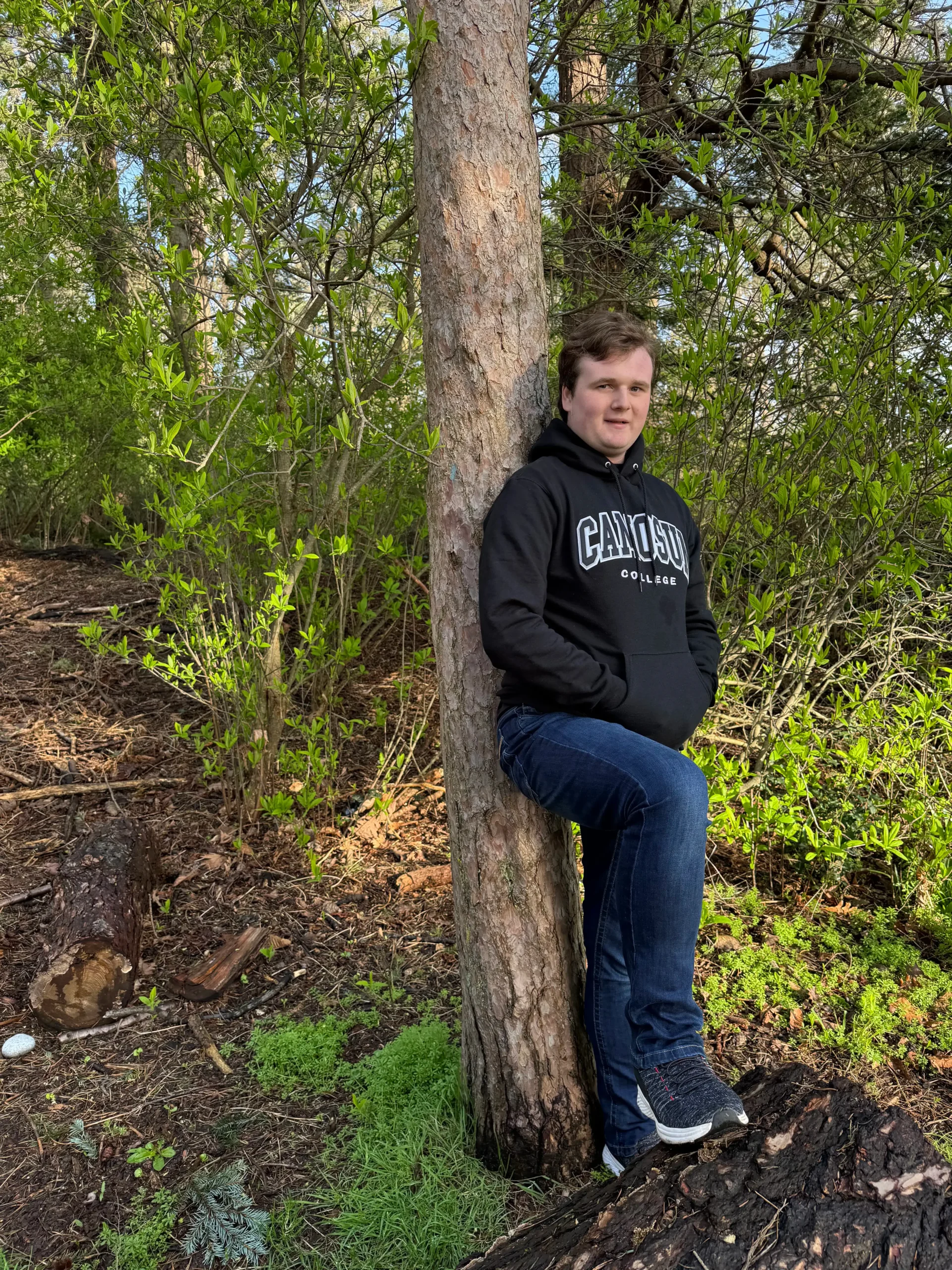
I have stuck to track pants without the elastic bottoms at the feet of course—I hate the constricting feeling and cotton t-shirts and shoes that truthfully look like they were made for older men. My shoes must fit orthotics to help fix my gait—I had a major stroke when I was kid that messed up the way I walk.
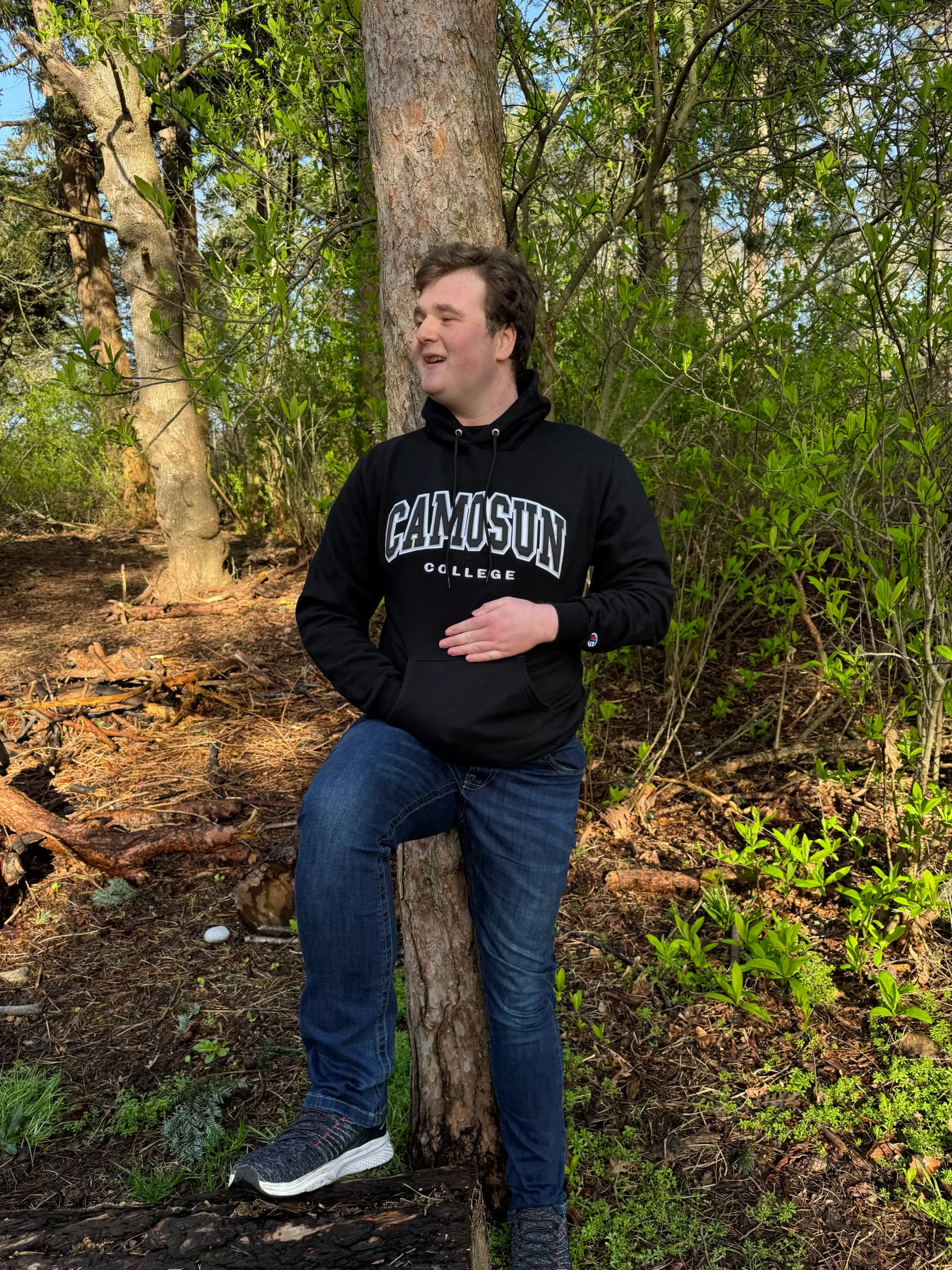
However, when I turned 21, I started noticing what I was wearing was not, well, fashionable. I go to college now and as I put myself out there, it means more to me to try and look my best. But as I began this journey of caring about my image, I have found the fashion industry is not really a friendly partner for me or for others in my community. Inclusivity and fashion have not usually gone hand in hand.
But when I started looking at the statistics, I discovered that neurodivergent people like me— and according to The Guardian newspaper, that is 15 percent of the world’s population—have sensory processing challenges such as texture sensitivities. In Canada where I live, 22 percent of the population has at least one disability. Of that 22 percent, over 10 percent have a physical disability. In the United States, the number is 28.7 percent overall, of which 12.8 percent have mobility challenges. I learned that individuals in wheelchairs experience different fashion challenges than me but the commonality is that the fashion industry never really took note on how to serve our communities.

YET is the key word
I am going to use the word yet. That is starting to change because it is a market that has huge potential for fashion houses. Advocacy from the community has also helped. Organizations like Runway of Dreams (RoD), which “supports the movement for disability inclusion in the fashion and beauty industries by raising awareness and inspiring change,” is a start. Their programs “celebrate people’s differences, challenge stereotypes and highlight the need for Adaptive and Universal Design products and collections,” which is exactly what it is needed.
And when you think about it, there is also a lot of money involved. Combined, RoD estimates our community combined with their caregivers and families has $8 trillion USD in spending power. That alone should be incentive enough for the industry to take notice.
However, there is the financial reality that many in our community (me included) live on fixed or limited income. Money matters.
So, I, assisted by my mom (who, full disclosure helps me write) have decided to start a fashion quest—how to look good on a budget which was prompted by a dress-up event I had to attend.
This is our first article about that journey. Over the coming issues, we will explore all the options on how become glam gods and goddesses on a budget. We will be approaching fashion houses, scouring the shops to find you the bargains and fashion ideas and see how they respond. Vintage? We will explore that too! And footwear as well. Easy to wear, affordable footwear.
GALA GLAM
Our first expedition was to find a suit for me to wear to a dress-up event. Expensive, right? We decided that the key was to find a versatile outfit.
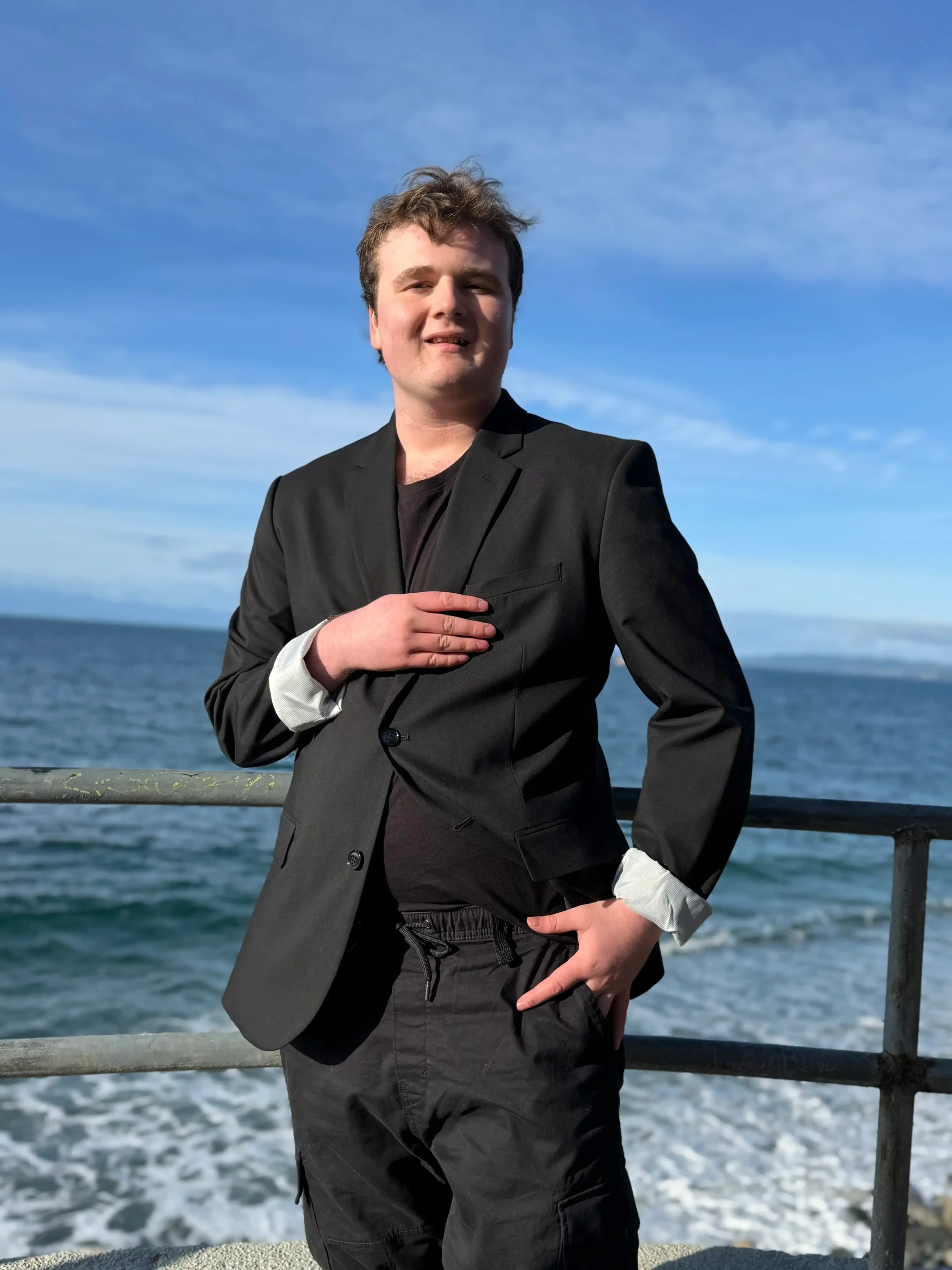
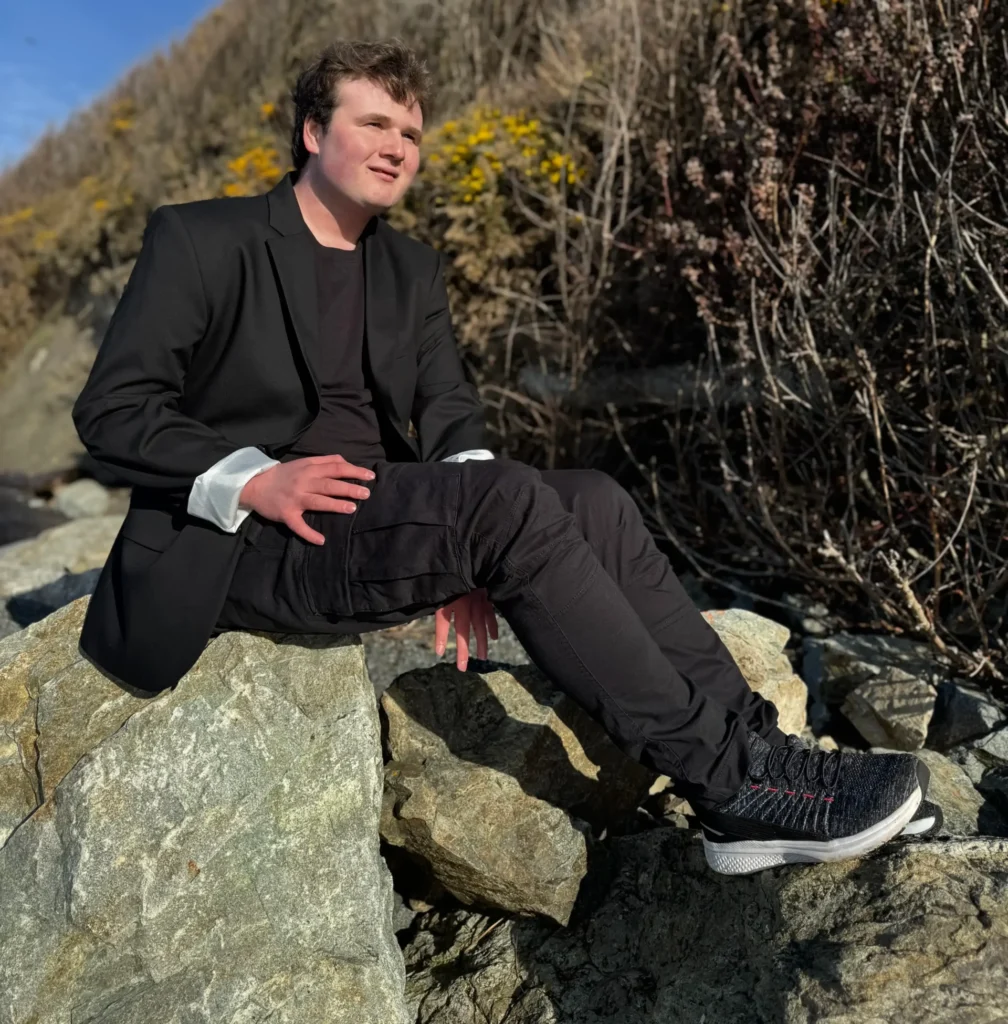
So, my mom, who loves Euro stuff, took me to H&M. It took some looking around to find fabric and jackets that weren’t complicated, comfortable and not too formal because I want to reuse the jacket for other reasons. So, we got a black jacket with cool lining so I can roll up the sleeves for a casual look or keep the sleeves down for a more formal situation. The pants were a bit of struggle because that skinny jean and skinny leg style still are the rage and I hate the feel, so it took some work but we found loose dress pants to match.
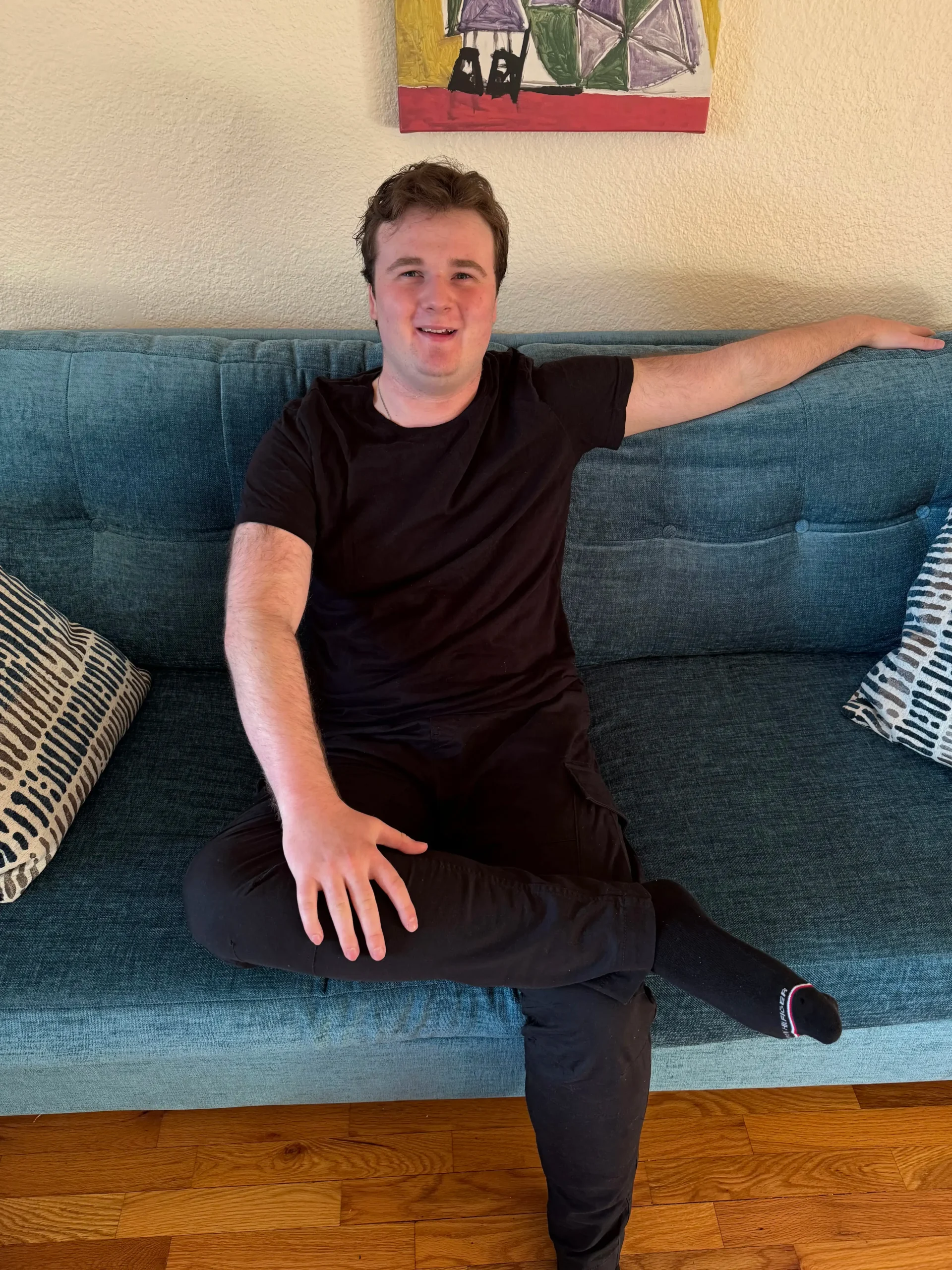
And I got a pair of black loose khakis without zippers. It has strings at the waist, which is like laces and I do hate those but we did them up once and I will just keep slipping in and out of them.
And the jacket looks great with them, I think. Smart casual.
The shoes are Walmart—we found a pair that could almost pass for cool. So is the black t-shirt. Since I hate buttons, I got black t-shirts to wear under the jacket.
Now, the cost for the suit, black khakis, t-shirts, shoes? Under $200 Canadian.
I discovered that clothes impact the way you feel. It may seem shallow, but looking good helps my self-esteem. I feel I can be successful with whatever I strive to do in life. It may seem superficial but it is true. And our community deserves to feel good.
As we begin this fashion journey together, we will bring you along. Stay tuned for our tips!
Next issue will be casual—I found jeans I can wear. THAT was a lifelong quest.