Listen to this Article
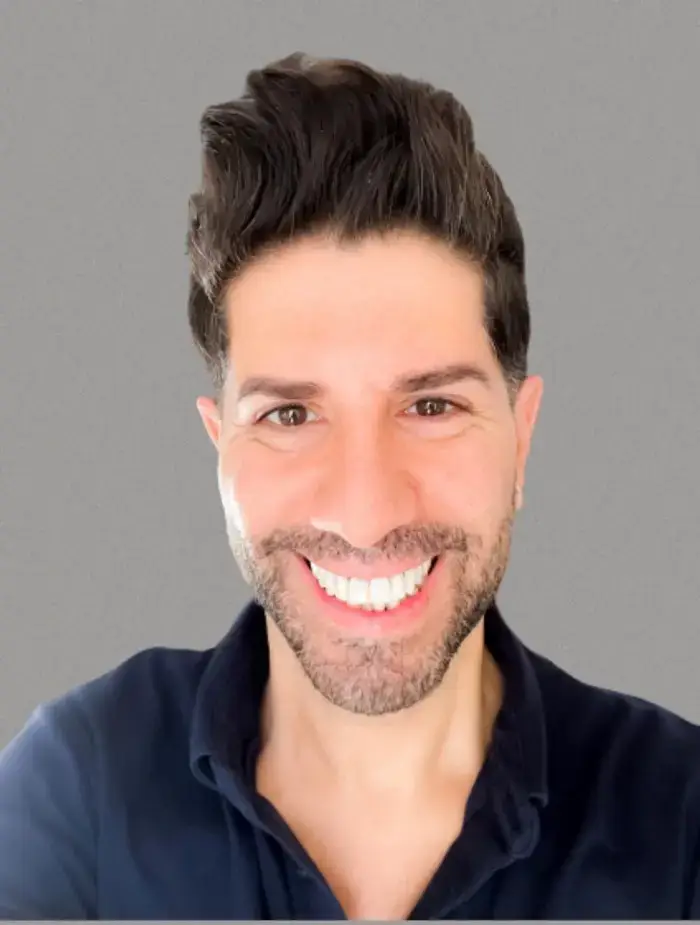
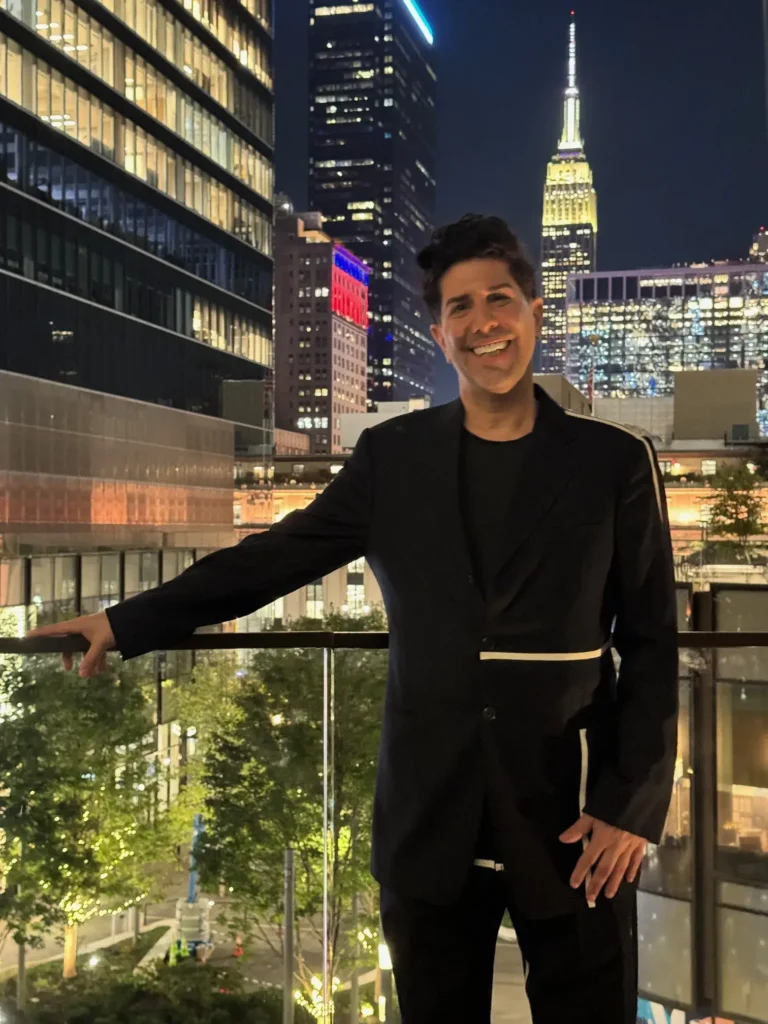
Some people grow into their careers like ivy up a brick wall. Ramy Gafni cannonballed into his. He’d flirted with law, toyed with veterinary school, even hopped halfway across the planet to Australia before settling on the beauty world. However, he did not settle on beauty because it was an easy choice. When every other path made him restless, this one made him feel alive.
Today, Ramy’s name is carved into the brow world like a signature: celebrity clients, high-end product lines, Vogue write-ups. Yet the road there was hardly a glossy montage of airbrushed success. Cancer barged in when his career was catching fire. A job dismissal followed, blunt as a bad haircut. The salon told him he wasn’t “the pretty boy we hired.” Most would have curled up, but Ramy just opened Ramy’s Beauty Therapy instead—his own studio! And, as fate would have it, the timing was perfect, so perfect that soon he was turning clients away because he was too booked to breathe.
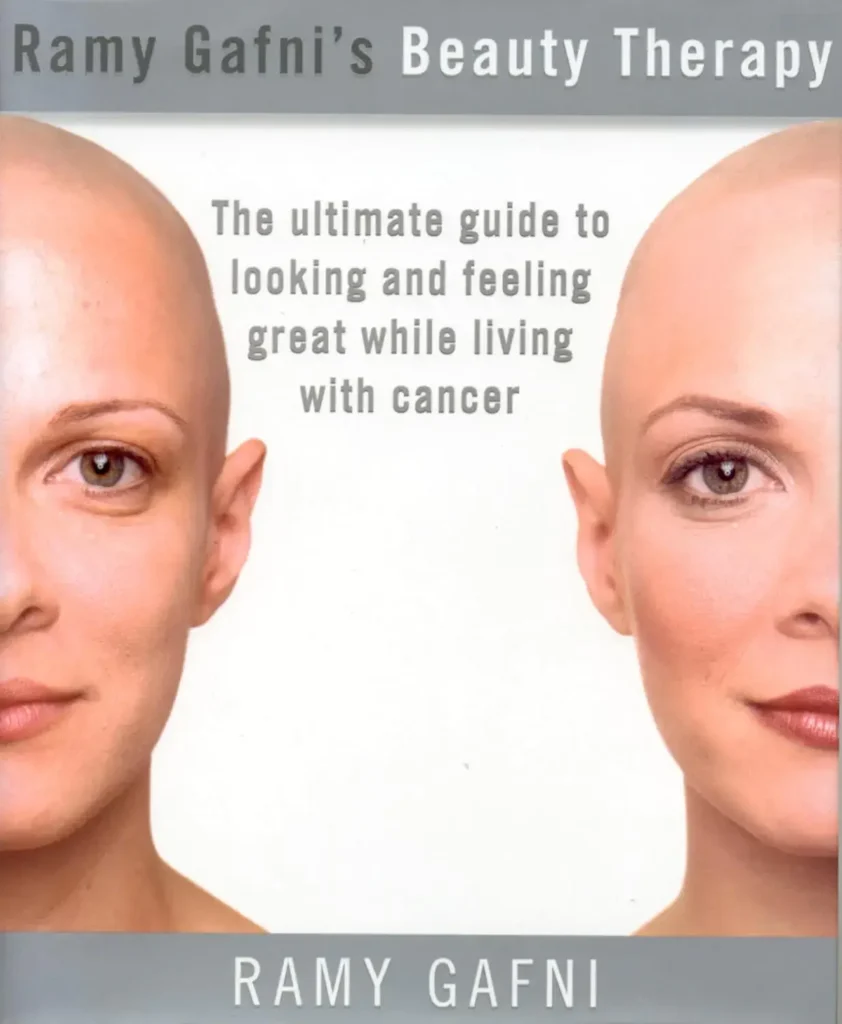
Through it all, however, something bigger was brewing. Chemotherapy and steroids had changed his reflection, but they also sharpened his eye for how beauty works when life gets rough. He began experimenting on himself: concealer for dark circles, shading tricks for puffiness, realising there’s power in a tiny action like picking up a lipstick. The results were cosmetic but it was also an armor. That’s what sparked his first book, a how-to guide for people living with cancer who wanted to see someone familiar in the mirror again. Ramy Gafni’s Beauty Therapy: The Ultimate Guide to Looking and Feeling Great While Living with Cancer
Ramy’s philosophy? Minimum makeup, maximum impact. Not because less is trendy, but because subtle tweaks can change how you feel without demanding two hours in front of a mirror. He tells people, especially those recovering from illness or navigating disability, that most passers-by aren’t analyzing every detail of your face. That means you hold the “element of surprise.” A well-placed brow pencil or sweep of blush isn’t for fooling anyone. It’s for giving yourself that delicious yes, this is me moment when you catch sight of your reflection.
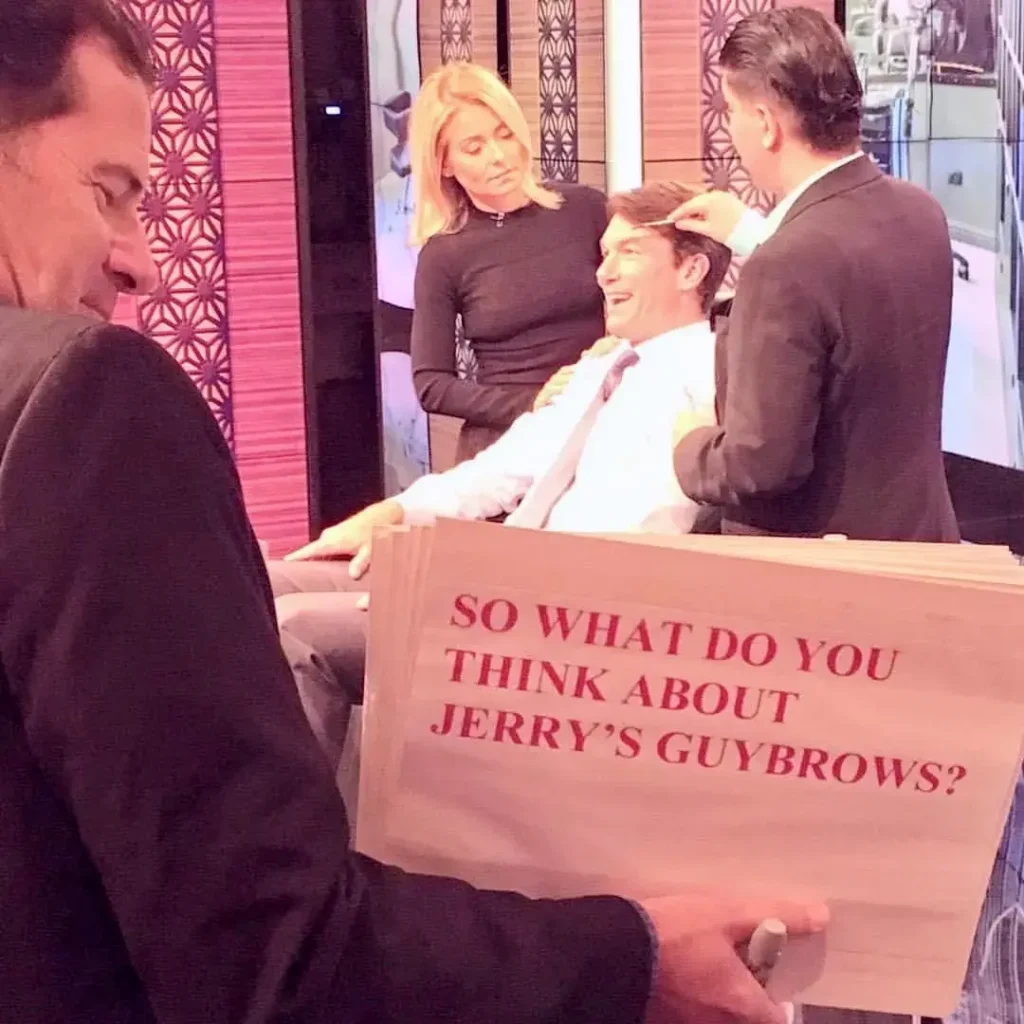
“Eyebrows are the one thing you can get into shape without exercise,” he laughs. A well-shaped brow frames the face, lifting everything like good lighting in a film.
His work with the Initiative for Women with Disabilities pushed that thinking further. Teaching makeup to girls and women with a variety of physical and sensory differences forced him to get inventive. Some couldn’t hold a brush, others had skin sensitivities, still others needed different tools entirely. Ramy learned that beauty solutions aren’t one-size-fits-all. They’re as individual as faces themselves.
It’s not just technique that changes lives. The emotional shift matters just as much. At first, some participants were shy, even flinching at his touch. They’d been introduced as if a red-carpet artist had swooped into their world, which was daunting. By the second visit, the shyness melted. They were cracking jokes, booking him to do their makeup for school plays, and bringing their own ideas to the table. Confidence, it turns out, blooms fast when someone treats you like you belong in the chair.
His favourite trick for those with limited dexterity?
Pre-moistened cleansing cloths for
quick skin care without the need for a sink or complicated motions.
Ramy’s Top 5 Eyebrow Tips
- Don’t overpluck– remove only stray hairs outside your natural arch.
- Match your root colour– for the most natural effect, pick a shade that matches your hair at the roots, not the ends.
- Use feathery strokes– mimic real hair when filling in gaps.
- Blend with a spoolie– softens the colour and creates a seamless look.
- Remember: brows are sisters, not twins– aim for balance, not identicality.
For people whose brows never grew back after treatment, he suggests microblading: a semi-permanent option that can give someone back a part of their expression they thought was gone for good.
Ramy also thinks the beauty industry still has plenty of growing up to do when it comes to accessibility. A conversation with a woman who was colour blind made him realize that product names like “Lucky Penny” tell you nothing if you can’t see colour.
His fix? Keep the fun names but add clear descriptions like “brown with gold shimmer” on packaging and websites. Simple, obvious, and yet rarely done.
Meeting artists and customers with mobility challenges has also inspired ideas for adaptive tools: proof that real inclusion starts with listening.
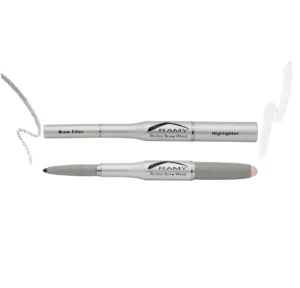
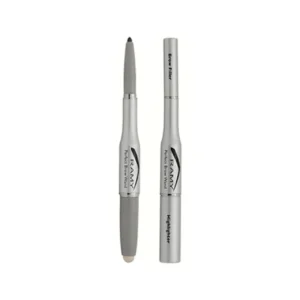
His starter kit for anyone new to makeup . . . especially those rebuilding their relationship with beauty is refreshingly no-fuss: a flattering blush, a highlighter, two neutral eyeshadows, and a good mascara. Build from there if you want but start simple. He named his first blush “Alive” because that’s exactly how it made people look and feel. Other products sport names like “Smile” or “Celebrate” because joy deserves a seat at the vanity table.
If you ask Ramy to define beauty today, he won’t give you a list of measurements or skin types. He’ll tell you about the legendary actress who, up close, had aged far past her movie-poster prime, yet left him dazzled by warmth and charisma. He’ll tell you about the breathtaking bride who was lucky, not because she looked like a magazine cover, but because her groom was the calm in her storm. Looks fade or morph but personality sticks the landing.
Ramy’s own career turning point wasn’t landing a celebrity client or launching at Bergdorf Goodman. It was hearing his mother, who once worried about him leaving law school, turn to him in the car after a friend spotted his name in a magazine and say, “Thank God you dropped out of law school.” She even worked alongside him for years, proving that the right support can be as transformative as the right concealer.
For those staring at a mirror and struggling to recognize themselves whether from illness, disability, or simply a season of change, Ramy’s advice is disarmingly simple.
Take one action!
Buy the lipstick.
Learn the brow trick.
Swipe on the blush.
. . . not to hide, not to impress anyone else, but to tell yourself: I’m still here. Because sometimes, the smallest beauty ritual is the biggest act of self-definition you’ll make all day.
Follow Rami Gafni