By Matthew “Matty” Medeiros
Listen to this Article
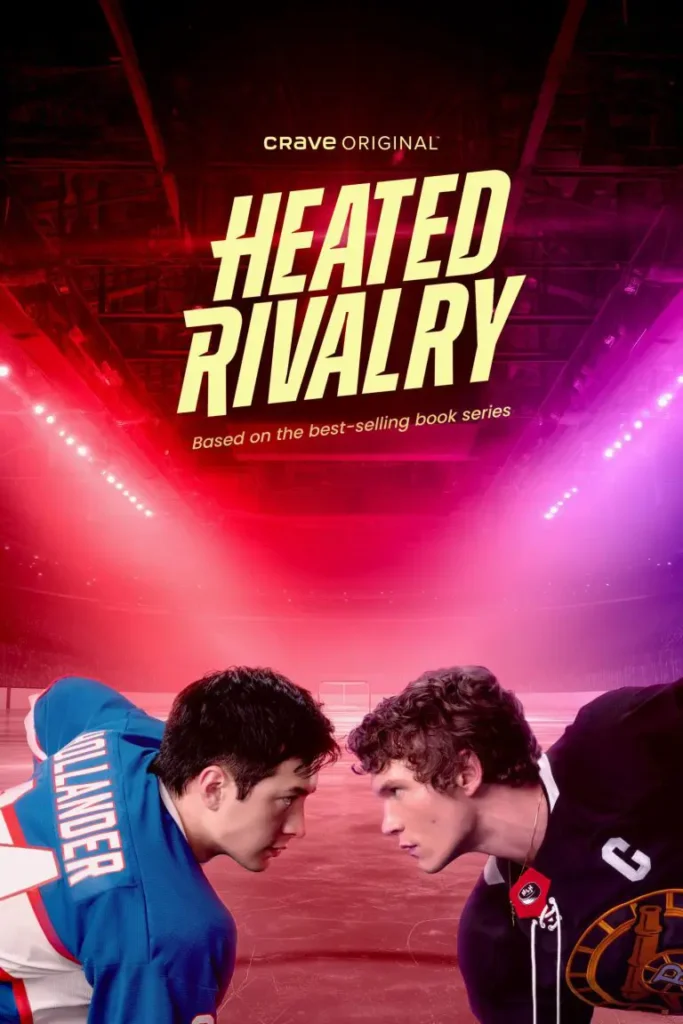
Ok, so here we go. Every so often, a love story shows up on screen that feels like it was written for the people who have spent their lives feeling unseen. Heated Rivalry is one of those stories.
The MASSIVE Crave/HBO Max hit series, based on Rachel Reid’s novels and adapted by Jacob Tierney for TV, follows two rival hockey players (Shane and Ilya) whose connection grows into something deeper and far more complicated than either of them expected. Even if you have not watched it yet, its heartfelt theme feels familiar to anyone who has ever loved while afraid of being fully known.
There are some love stories that entertain you, and then there are love stories that quietly change you. Heated Rivalry is one of those rare stories that does both. Watching the two main characters fall for each other felt less like consuming a show and more like witnessing something tender and raw unfold. Their chemistry was undeniable, but what stayed with me was not just the heat. It was the vulnerability. The way they were afraid to love. The way they hid what they felt. The way their hearts always seemed one step ahead of what the world was ready to accept.
For queer people, that story is not fiction. It is a memory… It is muscle memory. It is the feeling of wanting someone so deeply while also being afraid of what it means to be seen.
That fear hits even harder when your body and your queerness are both being judged by the world at the same time.
Heated Rivalry did something beautiful by letting its characters be messy, guarded, aching, and hopeful all at once. Shane and Ilya were not just two men in love. They were two people negotiating visibility, desire, and safety in a world that still makes queer love feel like something that must be managed and hidden. They were not just protecting themselves from the world. They were also protecting themselves from their own hearts, learning in real time what it meant to want someone and be brave enough to let that be known. Watching their relationship evolve from something guarded into something deeply real between them felt deeply familiar. It echoed the emotional journey so many queer people take as we decide when it is safe to be fully known.
For disabled queer people, that calculation never really ends.
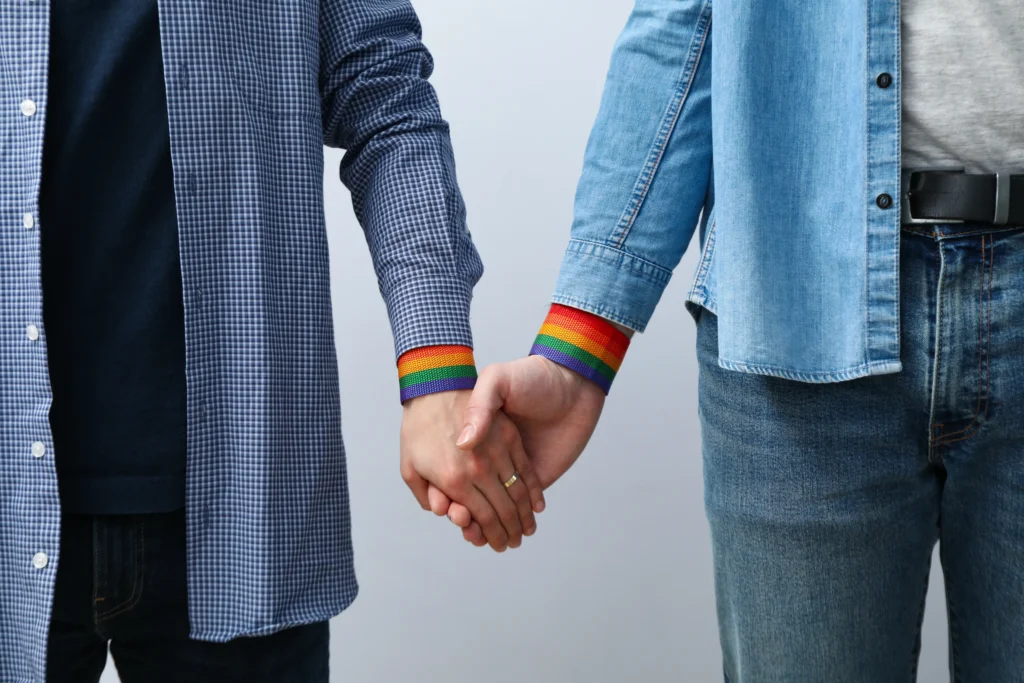
Dating while queer can already feel like walking into a room where everyone is silently measuring you. Your body. Your desirability. Your worth. Add disability into that mix and suddenly the room feels even quieter. The glances linger a little longer. The questions come more slowly. The silence grows heavier. There is an unspoken narrative in many 2SLGBTQIA+ spaces that queerness is supposed to look polished, effortless, and able bodied, like desire has only one acceptable shape.
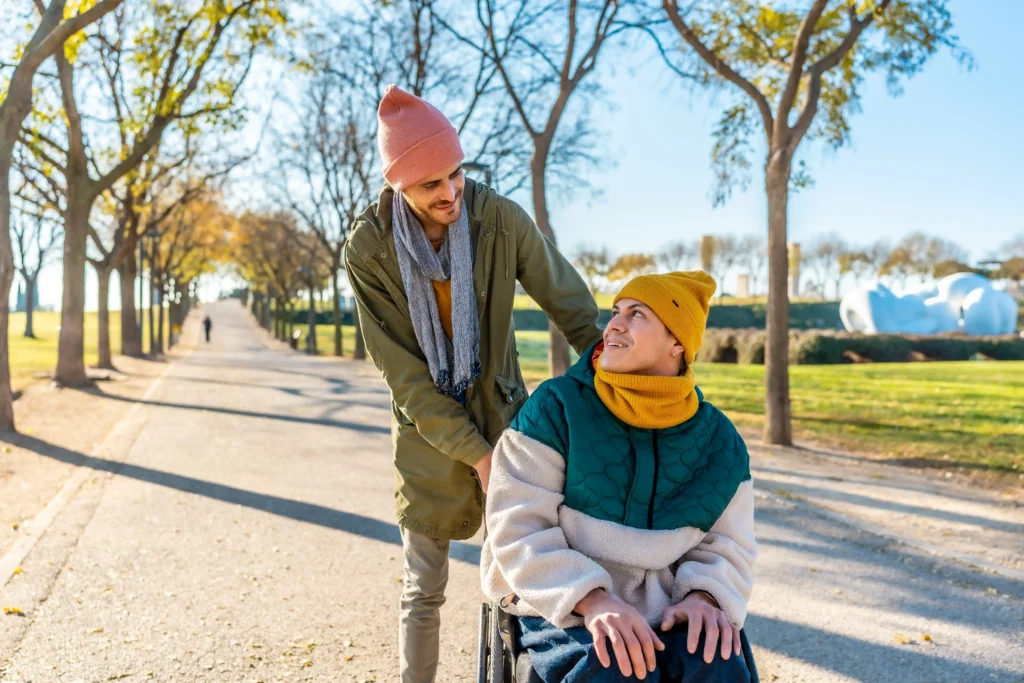
When you arrive with a mobility aid, chronic pain, fatigue, a non visible disability, or a body that moves differently, it can feel like you have broken the fantasy.
I have been in many 2SLGBTQIA+ spaces long enough to notice the looks. Some are curious. Some are unsure. But many carry a quiet cruelty, the kind that comes from being seen as something unexpected. They ask without words how can you be gay and disabled. As if desire and disability cannot exist in the same body. As if intimacy belongs only to people whose bodies move easily through the world.
What Heated Rivalry captured so beautifully is that love is never tidy. Shane and Ilya did not fall into a storybook romance. They stumbled. They hid. They hurt each other. They feared what it would cost them to be honest. And still, they kept finding their way back. That emotional bravery is something disabled queer people know intimately. We love while negotiating pain. We desire while managing fatigue. We show up while wondering if we will be chosen as we are.
I am in a long term marriage, and when I met my husband, I was able bodied. Our relationship began in a body that moved easily through the world. Over time, my disability became part of our shared reality. We had to learn new ways of being together. New rhythms. New boundaries. New kinds of support. Loving someone with a disability does not mean losing romance. It means deepening it. It means learning how to listen to someone’s body. It means understanding when touch needs to change. When rest becomes sacred. When presence matters more than performance.
One of the most beautiful things in any relationship is being with someone who wants to understand you. Not fix you. Not tolerate you. To understand you, fully and without conditions. Someone who asks how they can help. Where they can support. What makes you feel safe. That kind of love is not conditional. It is expansive.
Heated Rivalry showed me what happens when love is allowed to expand. When two men stop pretending they are not changed by each other. When they stop hiding from each other, even if the world still asks them to stay small. When they let themselves be soft in a world that tells them to be hard. Disabled queer people deserve that same softness. That same space to be wanted without being explained.
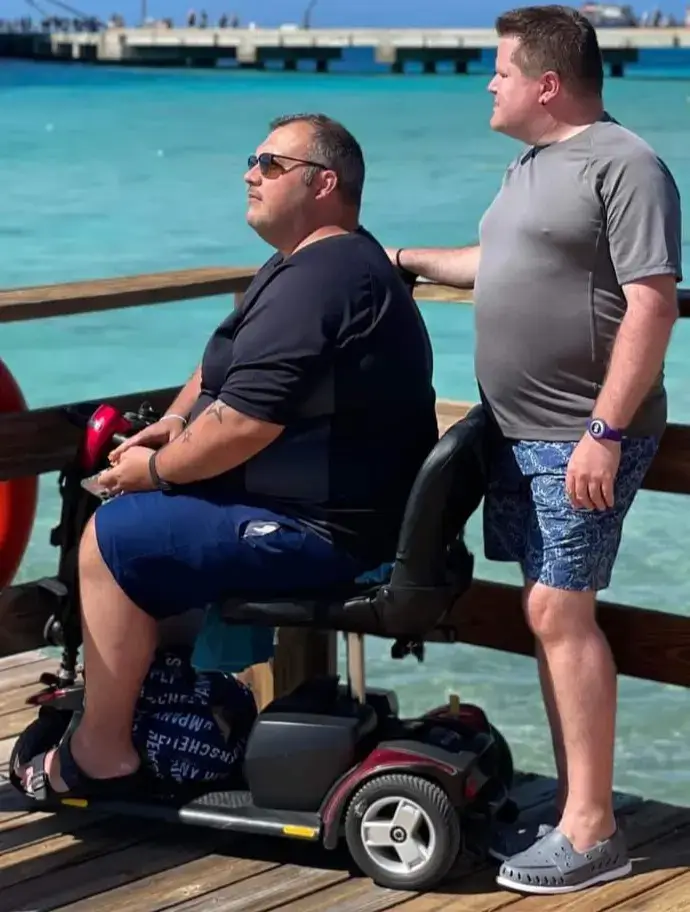
There is still so much the 2SLGBTQIA+ world gets wrong about disability. We talk endlessly about inclusivity, but so often our dating culture still centers on one kind of body, one kind of energy, one kind of desire. Apps reward speed and swiping. Bars are built for standing and crowding. Hookup culture is built around stamina, spontaneity, and bodies that never seem to get tired. None of that leaves much room for people who move more slowly, who need rest, who carry pain, or who have to think about access before they think about attraction.
So when you show up in that world with a mobility aid, a chronic condition, or a body that does not fit the fantasy, it can quietly teach you to shrink. To apologize. To believe that wanting love is asking for too much.
It is not.
Desire is not one size fits all. Intimacy is not measured by how fast you move, how long you can stay out, or how effortlessly your body performs. Love does not require a body without limits. It requires honesty, tenderness, curiosity, and the courage to let yourself be seen exactly as you are.
That is why representation matters so deeply. Seeing queer love portrayed with depth, fear, longing, and joy changes what we believe is possible. Heated Rivalry did not just give us two men falling in love. It gave us permission to believe that queer desire deserves a full story. Disabled queer people deserve to see themselves in that story too, not as side notes, not as inspiration, but as people who are wanted and chosen.
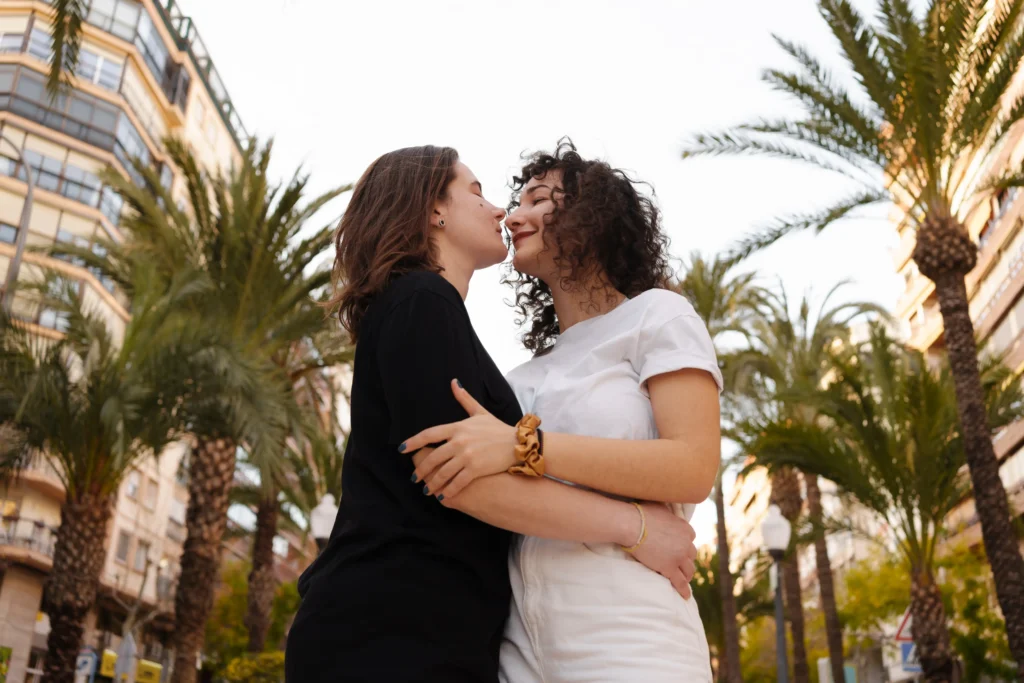
We deserve narratives where our bodies are not obstacles to love. Where our mobility aids are not the most interesting thing about us. Where our partners do not love us in spite of our disability, but alongside it.
Dating while disabled and queer is not easy. It asks you to be brave in ways that most people never have to be. It asks you to risk being misunderstood, to risk being overlooked and to keep showing up anyway. But it also brings with it a kind of intimacy that is deeply profound. When someone loves you while understanding your pain, your fatigue, your needs, and your joy, that love is not fragile. It is strong.
To me, Heated Rivalry reminded me that love is never meant to be hidden. Not queer love. Not disabled love. Not any love that asks us to show up as our full selves. We are not too much, not broken, and not on the edges of love. We belong right at the center of it.
We are part of the story. And we deserve to be loved in the light.
“Everyone deserves sunshine 🌞”
Let’s Stay Connected