Listen to this Article

🌻 Happy New Year 2026 🌻
It is hard to believe that 2025 has passed and that 2026 is already here, inviting us to live our everyday lives with greater intention.
Before we talk about inclusion within any specific community, it is important to begin with everyone. Inclusion and belonging are not limited to one identity, one culture, or one lived experience. They exist across workplaces, families, schools, relationships, and communities, shaping how people feel in every space they enter.
Awareness is indeed essential, but life should not become a checklist for inclusion. Inclusion is not a box to check. It is a way of living. Belonging must be felt daily, not performed.
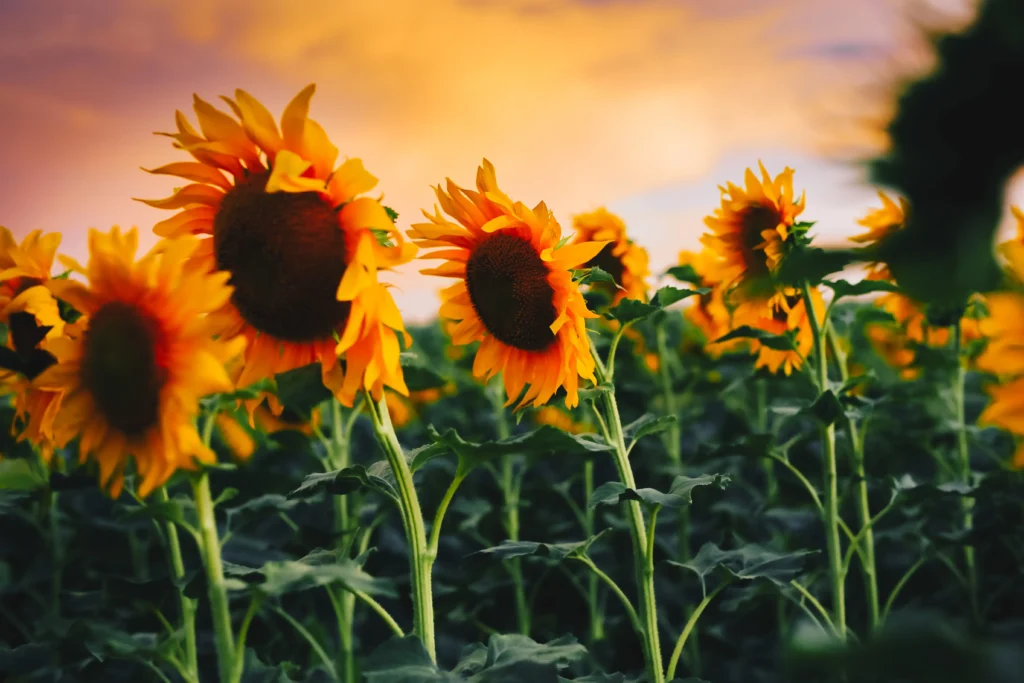
I often think of belonging as a garden. Like sunflowers that naturally turn toward the sun, people are drawn to warmth, understanding, and connection. Each person brings their own story, perspective, and color, creating a kind of rainbow within that garden. No single flower defines the space. It is the collective presence of people growing together, without labels, that creates harmony and strength.
When we view inclusion through this lens, we begin to understand that belonging looks different across life experiences. Human culture, Deaf culture, and hearing culture are not separate worlds. They are part of the same landscape, shaped by how we treat one another every day.
Belonging in Human Culture
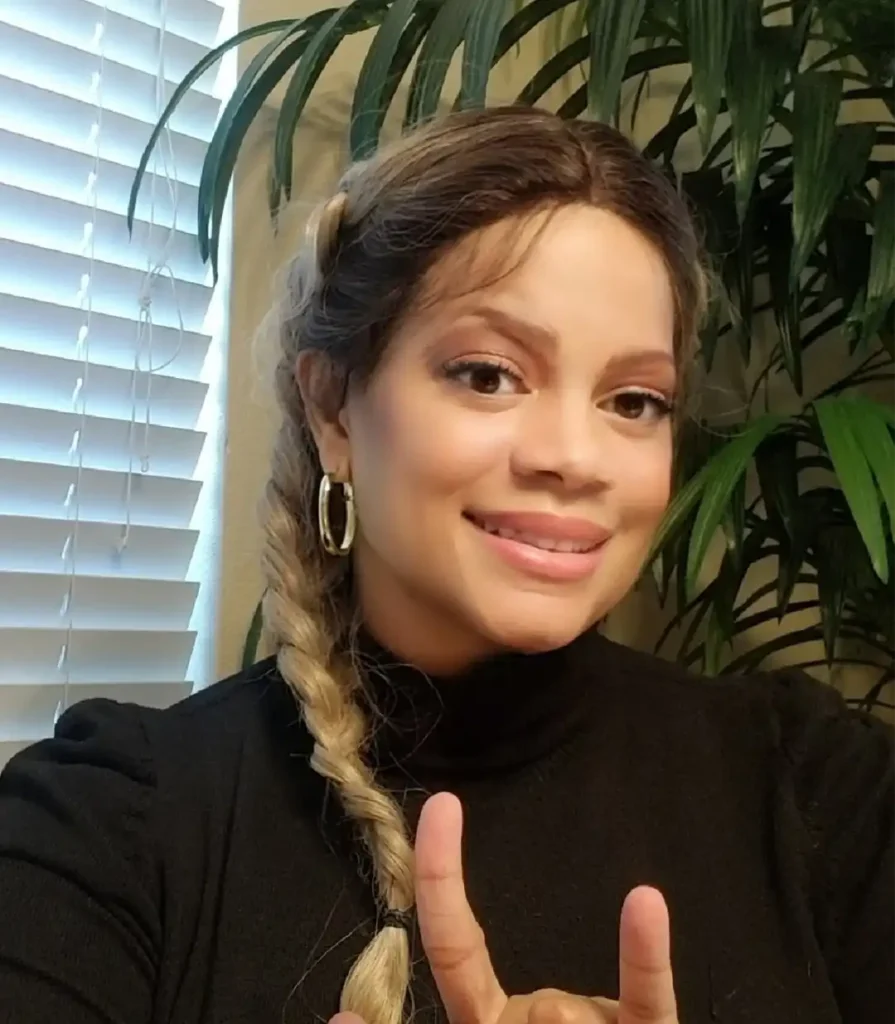
As a Deaf woman and advocate, my understanding of belonging comes from lived experience not only in Deaf spaces, but in everyday human interactions where people simply want to be seen and understood.
Belonging in human culture begins before labels, access needs, or assumptions. Before language, identity, or ability, there is shared humanity.
Belonging looks like:
• Being seen as a whole person rather than a category
• Feeling respected and valued in everyday interactions
• Having space to express thoughts and identity without judgment
• Being included in conversations and decisions
• Experiencing dignity without needing to justify one’s presence
A person may enter a space with no visible barriers and still feel excluded if they are ignored, rushed, or spoken over. Belonging in human culture ensures people feel welcomed emotionally, not just physically.
This foundation matters because when belonging is embedded in human culture, conversations about inclusion become collaborative rather than divided.
Inclusion takes many forms across lived experiences, including Hard of Hearing and DeafBlind inclusion, among others. This conversation could extend in many directions. In this article, I focus on Deaf and hearing inclusion as a way to illustrate what inclusion truly means in everyday life. Inclusion is not a policy to follow, and belonging is not progress to measure. Both are human experiences rooted in connection.
Deaf Inclusion
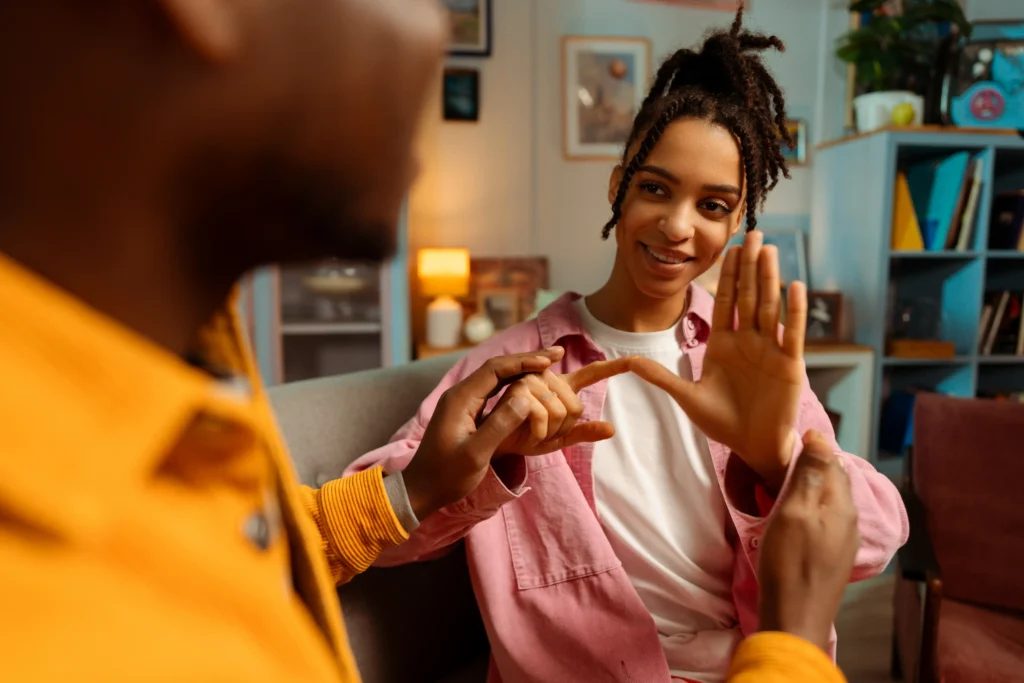
For Deaf people, inclusion is often discussed in terms of access. Interpreters. Captions. Visual tools. These are essential, but access alone does not guarantee belonging.
Deaf inclusion includes:
• Access to communication through interpreters, captions, and visual clarity
• Inclusion in conversations without constant self-advocacy
• Respect for Deaf culture, language, and identity
• Participation as contributors and leaders, not simply recipients of access
A Deaf person may be present in a meeting with captions provided and still feel excluded when conversations move too quickly, people speak over one another, or decisions are made without visual confirmation.
Hearing Inclusion
Hearing inclusion is often overlooked because it is assumed to already exist. Yet hearing people also navigate uncertainty and hesitation in inclusive spaces.
Hearing inclusion includes:
• Support in learning communication beyond speech
• Freedom to ask questions without fear of being wrong
• Awareness that communication includes pacing, listening, and presence
• Spaces where people are not expected to already know everything
A hearing person may want to communicate respectfully but hesitate to ask questions or slow the conversation, fearing they might offend or make a mistake. That hesitation can unintentionally create distance instead of connection.
Where Inclusion Becomes Belonging
This is where Deaf and hearing inclusion meet.
• Communication becomes a shared responsibility
• Understanding replaces assumptions
• Stories replace labels
• Presence matters more than perfection
• Everyone feels valued once inside the space
When Deaf and hearing people pause together, check understanding, adjust pacing, and respect different communication styles, connection becomes natural rather than forced.
On Labels and Why Stories Matter
Labels are often created for organization or services. While they can be useful, labels become limiting when they define people instead of supporting them. When labels lead conversations, assumptions replace curiosity, and division quietly takes root.
Project Belonging invites people to listen before labeling and to learn with one another through shared stories. Listening opens space for learning. Learning builds respect. Respect allows belonging to grow.
Project Belonging
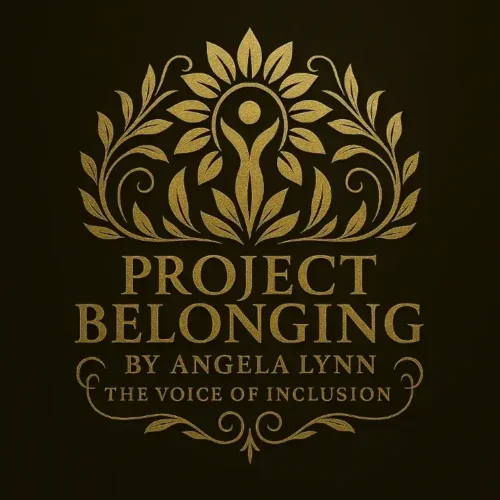
Project Belonging reflects the idea that inclusion opens the door, but belonging allows people to stay. The sunflower symbolizes humanity’s natural pull toward belonging, while the sun represents shared warmth, clarity, and connection that people seek. The central figure represents people beyond labels. Black reflects depth and truth. Gold represents value, purpose, and shared leadership.
When Deaf and hearing people recognize their shared need for understanding, clarity, and dignity, inclusion becomes collective rather than separate. Communication becomes a shared responsibility rather than a one-sided effort. Stories replace assumptions. People no longer feel the need to explain themselves endlessly in order to be accepted.
Belonging is not about changing who people are. It is about expanding how we communicate, listen, and live together.
As I often say, “Inclusion opens the door. Belonging invites you to stay.”
All in all, at its core, inclusion begins with awareness, but belonging is what sustains connection. When belonging is embedded in human culture, people feel safe to show up as they are across every setting of life.
Project Belonging shifts inclusion from a checklist to a way of living, and belonging from something performed to something felt every day. When stories replace labels and connection replaces assumptions, people do more than participate. They remain. They contribute. They grow together.
Because your story matters.
My story matters.
And together, our story changes the world 🌻
The message that moves us all
For those interested in continuing this conversation, I welcome opportunities to speak at events, panels, and gatherings focused on awareness, inclusion, and Project Belonging. These discussions are designed to help people move beyond labels, listen to learn from one another, and create spaces where belonging is lived every day.
I can be reached at angelalynn@theangelalynnshow.com or via my website at www.theangelalynnshow.com
You might be interested in: