Listen to this Article
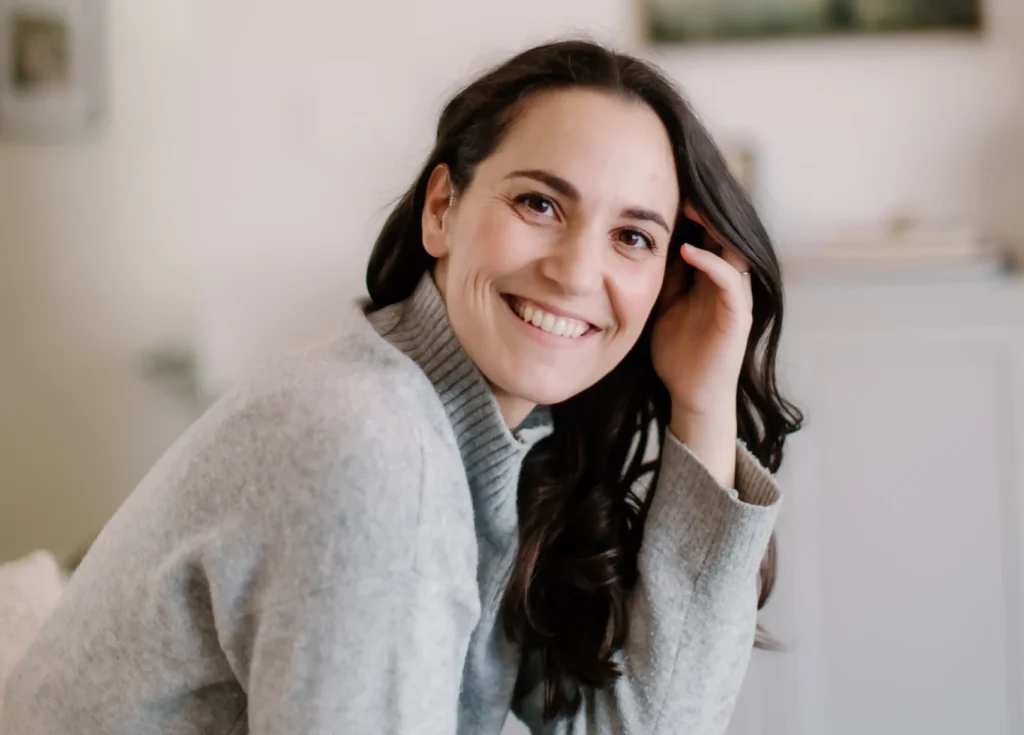
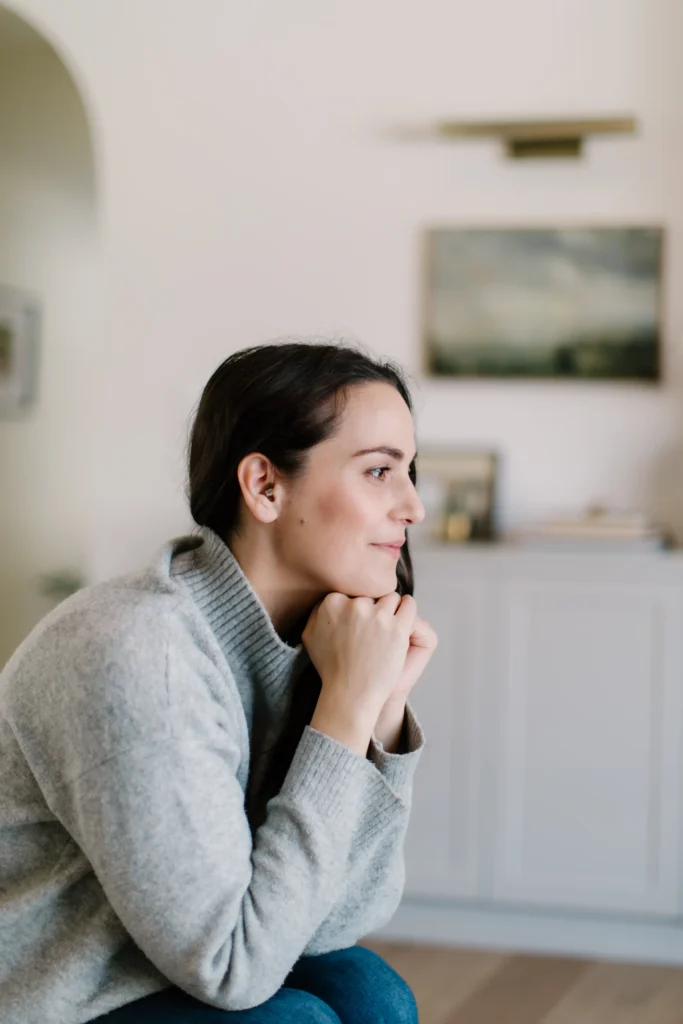
April Mitrik is the founder of Hard To Hear It, a community-driven platform focused on visibility, confidence and real-life support for people with hearing loss. Drawing from her own lived experience, Mitrik blends education, storytelling and community connection to challenge outdated perceptions of hearing loss and hearing aids, both online and in person.
Before Hard To Hear It, who was April Mitrik, and how did hearing loss begin to shape your daily life, identity and confidence?
I struggled (and still do from time to time) in the first few years to really accept my diagnosis. My hearing loss started on my left side and so I had convinced myself that I did not need to wear my hearing aid because I still had my “good” ear. I got away with it for a while. I was working in retail and really loved what I did but as my hearing loss progressed, crowded settings like that started to drain me in a different way. I had also only been dating my husband for a few months before I got my diagnosis, he is my biggest supporter and helped me so much with my confidence.
Many people with hearing loss describe a long period of adjustment. What surprised you most about your own experience, either emotionally or socially?
I was caught in the denial stage of grief for longer than I would like to admit. I had convinced myself that I didn’t need my hearing aid that it was just there in case I needed it in certain situations. In the first couple of years I only had one hearing aid, by the time my other ear caught up my adjustment period was a little different, I was more accepting. Now my hearing aids are the first thing I put on in the morning and they are a part of me. I am very grateful for the technology.
Looking back, was there a moment when you realized your personal experience could help others navigating hearing loss?
When I decided to tell the world aka my Facebook friends that I had hearing loss. Writing a Facebook post and telling everyone at once gave me a newfound voice and confidence. Plus, the number of people in my life who reached out telling me their own hearing loss stories made me realize that talking about it helps others on their own journey.
What were some of the biggest challenges you faced early on, personally or professionally, and how did you overcome them to build confidence with your hearing loss?
I have been very lucky in my hearing loss journey to have very understanding and accepting friends and family. Even though they often still forget that I can’t hear them when they face the other way or yell at me from another room. When my hearing loss got to the point of needing two hearing aids I was already working from home and most of my work was online so that transition was quite easy for me. If my friends and family had not been so accepting, my answer would likely be very different.
What gap did you see in the hearing loss space that led you to create Hard To Hear It?
I had started to look for support groups and other people my age who I could relate to but struggled to find people my age with hearing loss. I never set out to create this incredible community. I started sharing funny things that were happening to help myself and I was shocked when others would reach out telling me they felt seen. I still get messages daily asking for advice or just people needing to vent. I am really honoured to be that space for people. I never imagined posting about my hearing loss journey would impact so many different people.
Your work blends education, visibility and lived experience. How do you decide what stories, tools or resources to put forward on the platform?
I created the tools I wish I had in the beginning; it was really that simple. The stories I share are what is happening in my life. I never really plan out my content. I just share when something feels relevant or I find funny. Before my hearing loss diagnosis, I never thought about hearing loss or hearing aids. I realized that unless you have a connection to hearing loss it is not something that would really cross your mind. There aren’t ads everywhere like there are for glasses. I try to educate the best I can with what I know with the hope that it helps people realize the importance of ear care. All of my resources are now free on my website!
Confidence and self-advocacy come up often in your work. Why do you think these are such critical issues for people with hearing loss?
Once I realized I was the only one holding myself back, everything else started to fall into place. How could I expect others to accept my hearing loss if I couldn’t accept it? From there I stopped caring about what others thought of my hearing aids and hearing loss. I rarely encounter people who are vindictive, but it does happen. I am at a point where I want people to ask me questions whether they are well intended or not because conversations are how we help people understand what they do not know.
The Hear Me Out podcast series shares real, unfiltered experiences. What do you hope listeners take away from these conversations, especially those without hearing loss?
I hope people understand that while everyone with hearing loss shares many similarities we all have our own unique experiences. Hearing loss can happen to anyone at any age and I am a prime example of that. I began to lose my hearing at 25 years old. The more we can talk about it and share our lived experiences the more people will learn and take better care of their ears…hopefully.
Visibility is a big theme in your work, especially around hearing aids and hearing loss. Do you think society’s perceptions are changing . . . and what still needs to change?
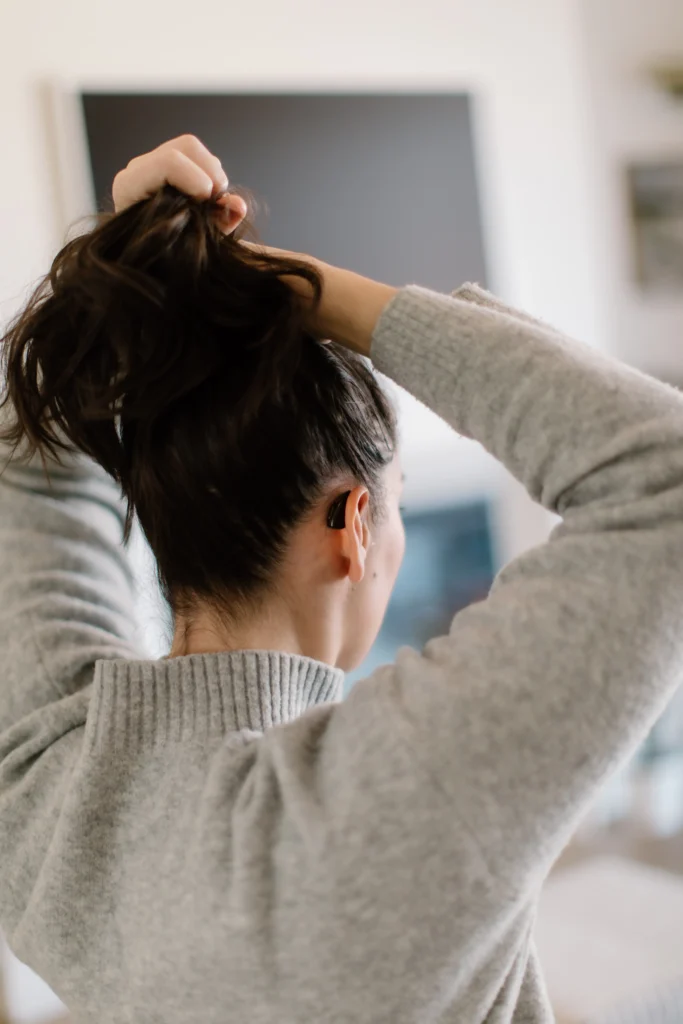
There is still a long way to go but because hearing loss is considered an invisible disability. The more visible we can make it the more people will ideally start to understand it. Our ears are connected to so many different aspects of our wellness and too many people dismiss it because hearing loss is for old people. I am hoping that by showing everyone how cool hearing aids are and how far technology has come people won’t be “afraid” of hearing loss. Hearing Tests need to become a regular part of our wellness check-ups. Even if you are not experiencing any issues, getting a baseline test and understanding how to protect and care for your ears is really important.
Mental wellness and confidence can be deeply intertwined with hearing loss. How does Hard To Hear It address the emotional side of adapting to hearing changes?
I try to share the good, the bad and the ugly when it comes to my hearing loss journey. Hard To Hear It is purely my experience, my opinions and thoughts with a few collaborative things here and there. I try to keep it as real and authentic as I can because it helps me cope too. As much as I have accepted my hearing loss, I still have bad days. I still get frustrated with my devices. That is another reason I created my resources because, if I can help one person who is having a bad day find something uplifting, then that makes me so happy.
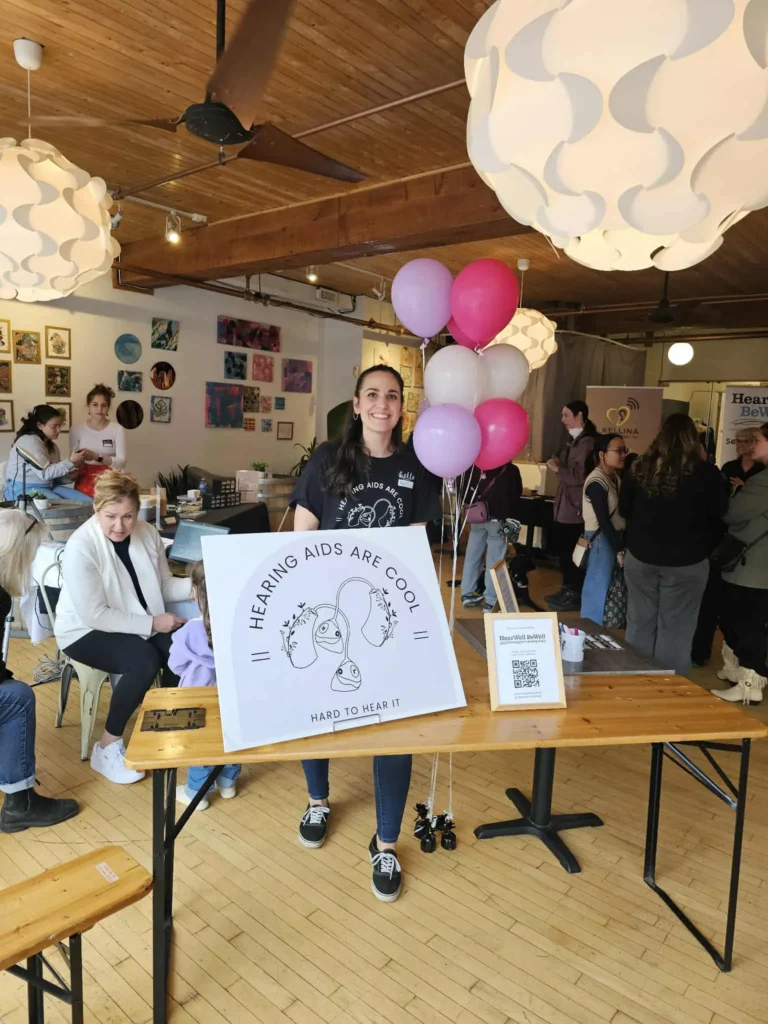
April hosted her first in-person Hard To Hear It meet-up in Toronto in May 2025, turning online connection into an afternoon of shared experience. Designed as a relaxed, welcoming gathering, the event brought together people with hearing loss alongside brands and advocates working in the space. Hear Well Be Well Hearing Clinics sponsored the meet-up and offered ear camera views, giving attendees a hands-on and unexpectedly fun look inside their ears. The Wavefront Centre for Communication Accessibility, Kellina Powell and Hear Glam also took part as vendors. The focus was on visibility, confidence and community, reframing hearing loss and hearing aids as something social, engaging and cool. While another meet-up is not yet planned, the experience laid the groundwork for future gatherings.
Mitrik’s work reflects a growing movement toward visibility and connection, where hearing loss is not hidden but shared and supported. By grounding her work in lived experience and community, she is helping shift how hearing loss is understood, discussed and seen in everyday life.