
Listen to this Article
In this first-person account, an identified parent shares their perspective on their son’s removal from a college program, which they describe as disability discrimination. The institution has not been named. The views expressed are those of the author and do not constitute a determination or position by Accessibility for All magazine.
I am telling this story because, in my experience, disability discrimination in the education system rarely looks dramatic at first. It does not usually show up as a clear rule being broken. It happens quietly, through official-sounding decisions, through supports that exist on paper but disappear when they are needed most, and through moments when disabled students can find themselves removed just before the finish line. This is what happened to my son, and it changed our lives.
My son started a three-year respiratory therapy diploma program in an Canadian college with hope, excitement and determination. He had been diagnosed with a learning disability as a child and later with ADHD. He disclosed both to the college and was placed on an individual education plan. We were told the system was there to support him. From the outside, everything looked right.
Academically, he had always done well, completing high school without difficulty and passing all college exams during the first two years of the program. Outside the classroom, Kung Fu training led to a black belt, and theatre provided a creative outlet. He lived with anxiety, and his learning disability sometimes required information to be explained differently or repeated, but neither limited his academic success.
However, in our experience, disability discrimination in education does not usually start with failing grades. It starts with doubt!
Even while he was passing exams, professors would pull him aside and tell him the program might not be right for him. His anxiety was mentioned repeatedly. These conversations were informal and never documented but over time, the message became clear. His disability was being treated as a problem, and it appeared to us to be something the school did not want to support.
When my son reached out for campus mental health support, we believed he was doing exactly what the system encourages students to do. Later, that same choice was held against him. Instead of being seen as a student taking care of his mental health, he was treated as unstable.
In our experience, disability discrimination grew when asking for help became a mark against him.
Two weeks before graduation, he completed a short clinical placement that required a minimum score of 80 per cent. His mark initially appeared in the low 70s. He did not receive accommodations during this placement, even though his education plan was still active. The mark was entered into an online system that continued updating over time. Before the mark was finalized, the school called a meeting with the family. Their gut-wrenching decision was delivered verbally. My son was told he could not continue the program; he was blocked from returning to placement and prevented from taking his final exam that was scheduled to take place a few days later.
He was given no academic probation, no chance to improve his mark and no formal expulsion letter. Instead, an email simply said he could not graduate at this time. After that decision, his marks in the system increased but because the marks were never finalized, he could not appeal.
This is how disability discrimination appeared to operate in our experience. Rules and processes became walls instead of protections. Procedure replaced fairness.
Our family pursued legal action and sought a judicial review. We requested records related to probation and appeal processes that were referenced but never produced. Professional complaints were filed, but investigations were delayed due to incomplete documentation.
My son never returned to the program at that college.
My son’s story reflects what disability discrimination in the education system can look like. It is not always loud. It hides in bureaucracy, timing, paperwork, and sometimes mere silence. In our experience, it punished a family who asked questions and a student who kept attending classes hoping to achieve his goal.
In our experience, it taught my son that honesty was dangerous.
The system promised inclusion but, in our experience, delivered exclusion. What we experienced as disability discrimination cost my son a credential mere weeks before graduation. It cost our family financial security and trust, and it taught a capable student that hiding his disability was safer than asking for support.
Throughout this process, I learned that disability discrimination within the education system is not theoretical. It shows up in lost degrees, debt, and lasting trauma. This is how easily it happens, and how hard it is to reverse once the damage is done.
This is my son’s story. It is difficult to see how easily disabled students can be failed by systems meant to protect them.
I invite those with an interest in disability rights and educational fairness to contact me for additional context related to my son’s experience. I hope sharing this experience helps prevent similar outcomes for other students.
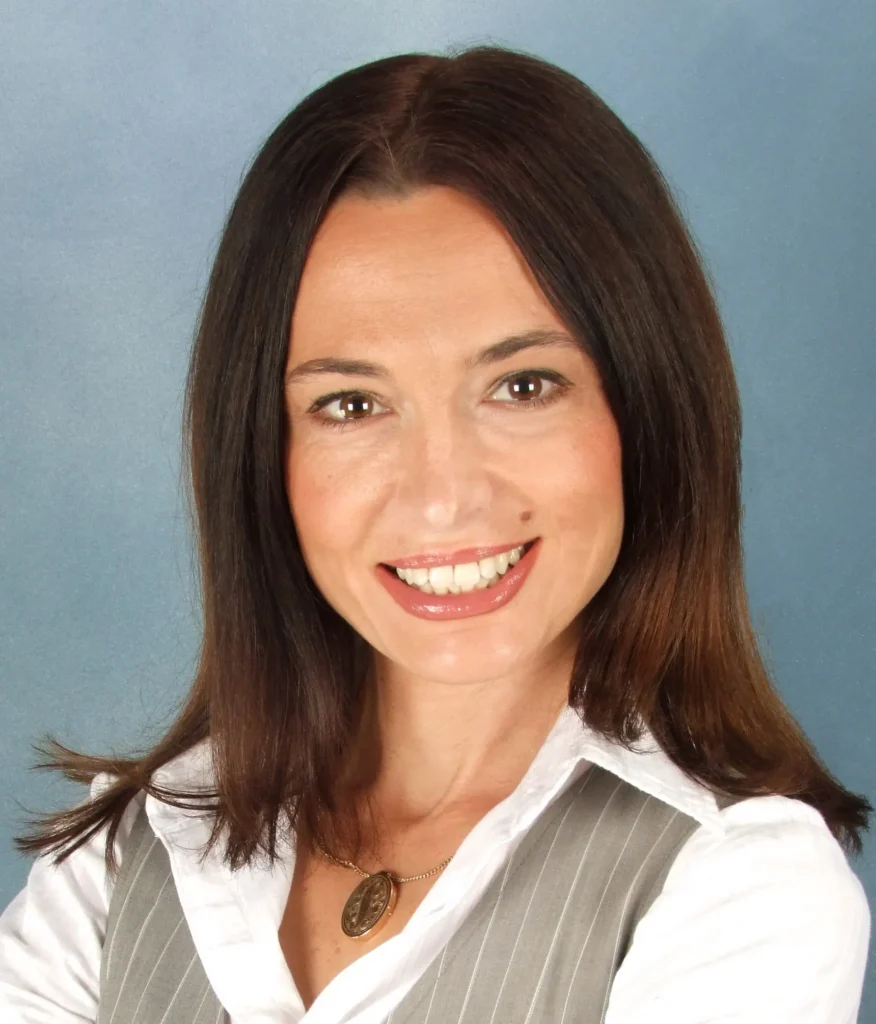
Connect with Dragana Zivic Ilic