







By Christine E. Staple Ebanks, The Special Needs Mama Bear
Listen to this Article
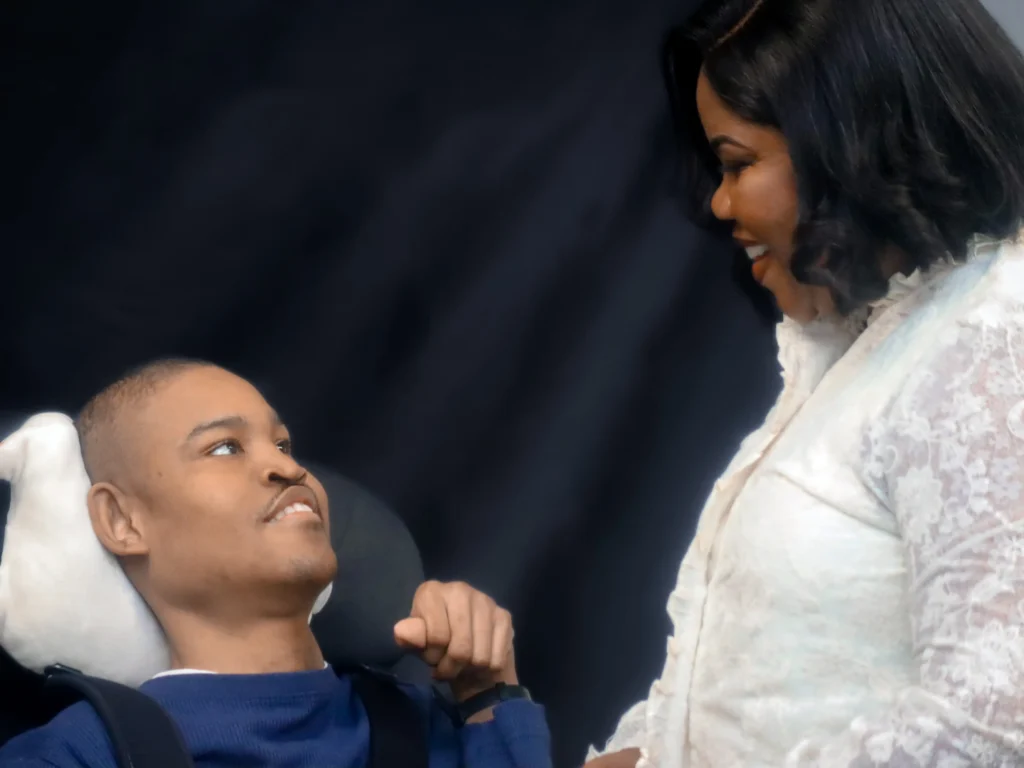
When my son Nathan, who lives with cerebral palsy, was about seven years old, I remember sitting with a friend, overwhelmed and exhausted, and saying something that felt true in that moment: “I have no support. There’s nobody I can call when I need help. Nobody I can really rely on.”
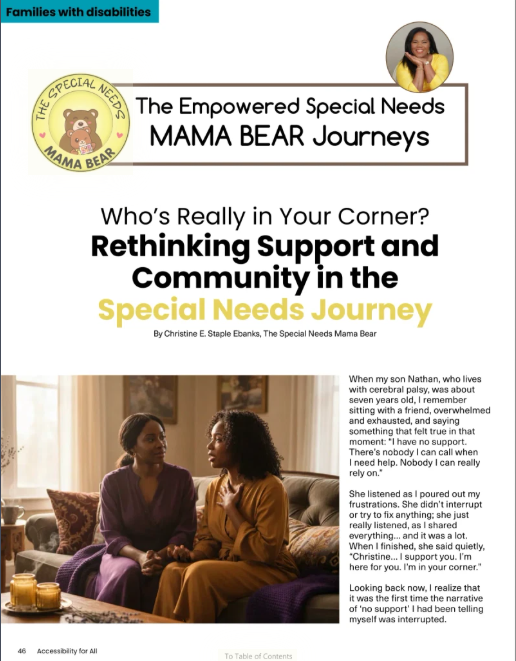
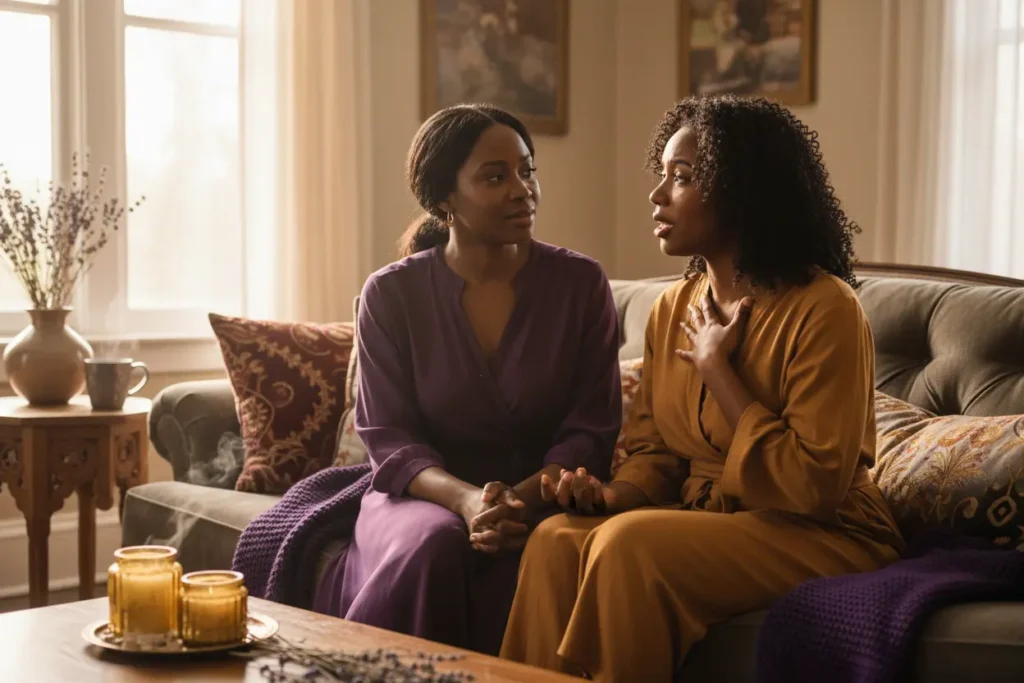
She listened as I poured out my frustrations. She didn’t interrupt or try to fix anything; she just really listened, as I shared everything… and it was a lot. When I finished, she said quietly, “Christine… I support you. I’m here for you. I’m in your corner.”
Looking back now, I realize that it was the first time the narrative of ‘no support’ I had been telling myself was interrupted.
As I thought about her words, I realized that she had always been there for me. She didn’t understand my realities of raising a child with disabilities-the systems, diagnoses, or decisions I had to make, but she gave me something just as important—a safe space. A place to offload, release frustration, and process what I was going through. That was when I began to understand that support comes in many forms.
That realization made me start looking at my life differently. One of the first things I did was put pen to paper and write the names of the people who supported Nathan and me. Then I began to think about the role each person played in our lives. That exercise changed my perspective completely.
I realized then that I did, in fact, have tremendous support. My husband, Robert, supported me in ways that allowed me to pursue my goal of starting a foundation and helping other families. Many volunteers gave their time so the foundation’s programs could run successfully. On a more personal level, my sister Jennifer attended major doctors’ appointments with me, both locally and overseas. Nathan’s pediatrician researched alternative treatment options when traditional approaches were not working. His classroom teacher, though not trained in special education, attended every training session I offered through my nonprofit to better support him in the classroom.
When I looked at that list, I realized that support had always been there, I just hadn’t known how to recognize it yet.
That awareness became the foundation for what I now call the Special Needs Mama Bear Support Framework. ™
The Special Needs Mama Bear Support Framework™
Over time, what started as a simple exercise of naming the people in our lives and the roles they played, became something much bigger. It changed the way I thought about support. I stopped seeing support as something I either had or didn’t have and began to see it as something I could understand, build, and grow over time.
As Nathan grew and our lives changed, I also realized support could not be left to chance. It had to be intentional. It had to be something I designed around our lives, our goals, and the kind of future I wanted for my son and for our family.
That way of thinking eventually became what I now call the Special Needs Mama Bear Support Framework™, built on a simple but powerful idea: support systems should not be accidental; they should be intentional.
The Special Needs Mama Bear Support Framework™ is built around four foundations: recognizing the support that already exists, defining our needs as they change over time, designing a support system around those needs, and building and growing our tribe. These foundations are not steps we complete once and then move on from; they are ideas we return to repeatedly as our lives, our children, and our circumstances change.
Foundation One: Recognizing Support
But when we look more closely, we often discover that people are standing with us, family, friends, professionals, teachers, church members, neighbors, and others who care about our children and about us. Sometimes they are meeting needs we never even named, because when a need is already being met, we don’t always recognize it as support.
For example, sometimes support looks like a neighbor who brings over a hot meal when you are stretched thin. Sometimes it looks like a church member who takes your child for a few minutes so you can sit quietly and breathe. Sometimes it looks like a therapist who takes extra time to explain something to you, or a teacher who goes the extra mile to understand your child. Support is often there, but we don’t always recognize it because it doesn’t look the way we expect.
Acknowledging and naming the support that already exists is often the first step in shifting our perspective from isolation to awareness, and from overwhelm to appreciation.
Foundation Two: Defining Our Needs
The second foundation is just as important as the first: defining our needs. People can’t support us properly if we don’t know what we actually need. The people around us may care about us and want to help, but they cannot always know how to support us unless we understand and communicate our needs ourselves.
And this is not something we do once and forget. Our needs change as our children grow, as our families grow, and as we grow and age ourselves.
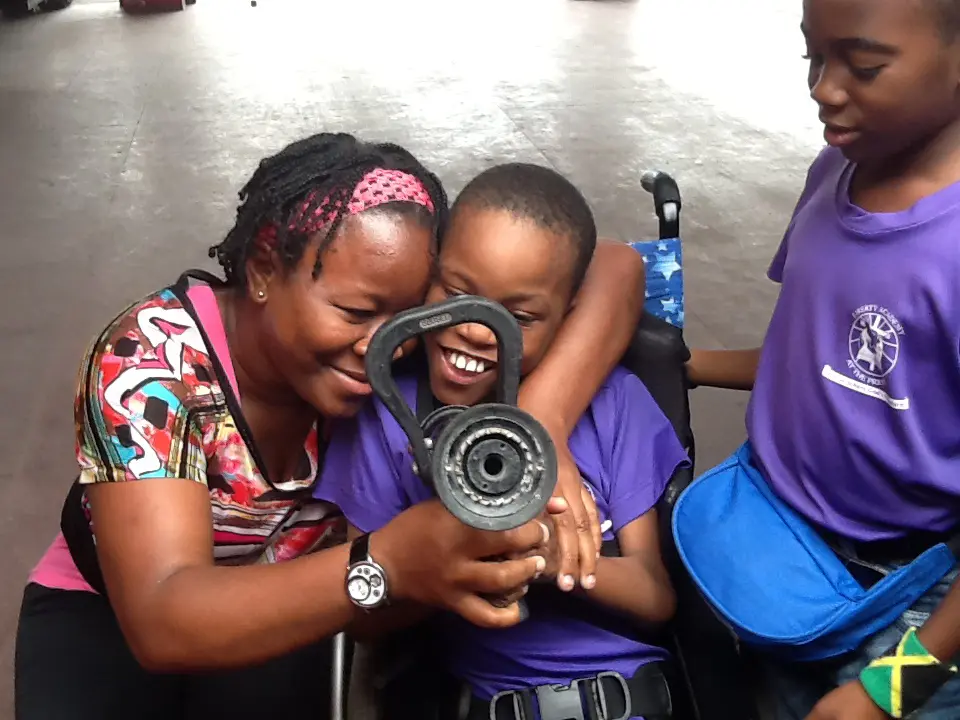
For example, there was a time when I knew Nathan needed more movement and physical activity, but I had not yet clearly defined that as a need or thought about what that could look like. It wasn’t until I began talking more openly about what I was trying to do for him that people began offering ideas and support. I was approached by someone who owned a dance studio shortly after. She offered to do a 30-minute movement session with him once per week. She shared that she always wanted to offer this support but didn’t know how to open that conversation with me. Hearing me talk openly about wanting to get Nathan moving gave her the courage to offer this support.
As I learned from that experience, defining our needs gives direction not only to us but also to the people who care about us and want to help.
Foundation Three: Designing Our Support System
The third foundation is where we start thinking about our needs and who in our lives can help each one. This will look different for every family because every family is different. The goal is to build a support system that fits your life, not someone else’s.
The other important consideration here is that support comes in many forms: physical, emotional, practical, professional guidance, educational, financial advice, social opportunities, and spiritual. When we begin to think in terms of roles rather than just people, we see our support system more clearly and intentionally. At this stage, the goal is not to fill every role at once, but to begin thinking about what our support system could look like if built around our lives and needs.
Sometimes, just writing it down and thinking about it begins to change the way we see the opportunities around us.
Foundation Four: Building and Growing Our Tribe
The fourth foundation in the framework is building your support systems over time. We do not meet everyone we need all at once. Sometimes we have not yet met the person who will fill a particular role, and sometimes we have not yet even realized that we have that need. But as we move through life, we meet people, we build relationships, and slowly our tribe begins to form.
When we begin to see support this way—not as something we either have or don’t have, but as something we can define, design, and build- we begin to move through this journey differently. We move from feeling alone to feeling connected, from feeling overwhelmed to feeling supported, and from feeling like we must do everything ourselves to understanding that we were never meant to carry this journey alone.
Community and Connection
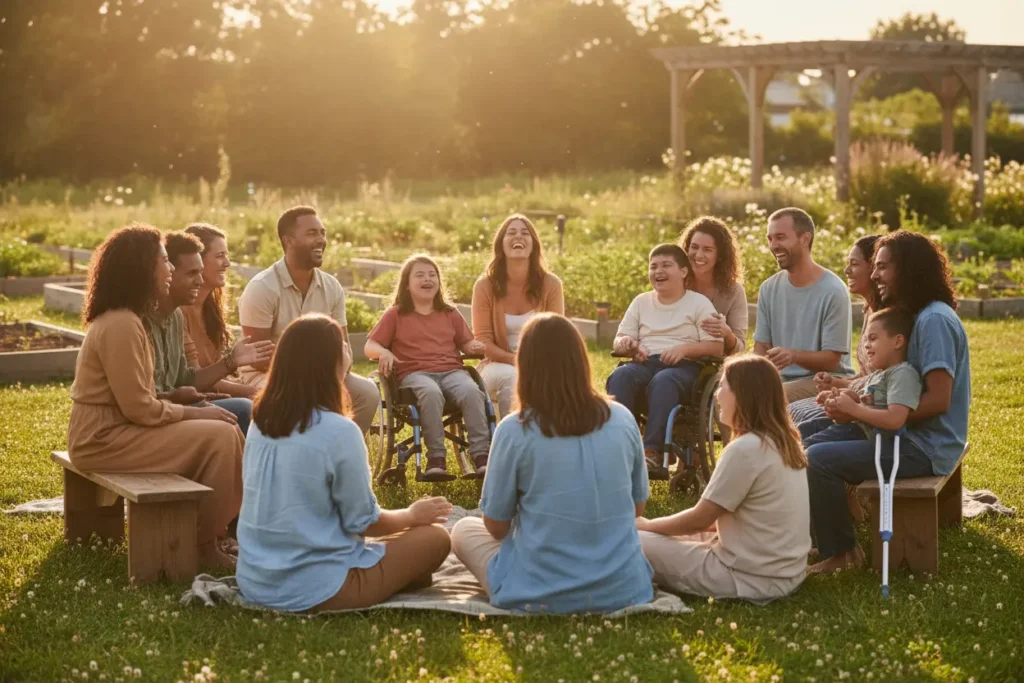
Over time, I also began to realize that our tribe is not limited to our immediate circle. For many of us, our tribe grows to include other parents, individuals with and without disabilities, professionals, educators, advocates, and community members who understand this journey. When we share our experiences and listen to others, we begin to learn from each other, see possibilities we have not considered before, and realize that, while our journeys may look different, many of our emotions, challenges, hopes, and victories are similar.
I also learned that support is a two-way street. Sometimes we focus so much on the help we need that we forget that the people who support us are also building relationships, purpose, and community through that support. In many ways, we are supporting each other, and that is how real community is built, not on one person giving and another receiving, but on people walking through life together and supporting each other along the way.
Spaces like Mélange are important because they create room for our stories to be shared across communities, cultures, and experiences. They remind us that no single person or family has all the answers, but together we carry tremendous wisdom. When we share our stories, we are not just telling what happened to us; we are creating road maps for someone else who may be walking a similar path.
So, as you think about your own life and your own journey, I would encourage you to pause and reflect on a few questions:
- Who is already in your corner?
- What support already exists in your life that you may not have fully recognized?
- What support do you need in this season of your life?
- And whom might you be able to support as well?
Building a tribe does not happen all at once. It happens through relationships, shared experiences, and supporting each other over time. I have come to believe that support systems help us survive, but tribes help us thrive. So, I leave you with this question: Do you know who is in your corner?