Listen to this Article
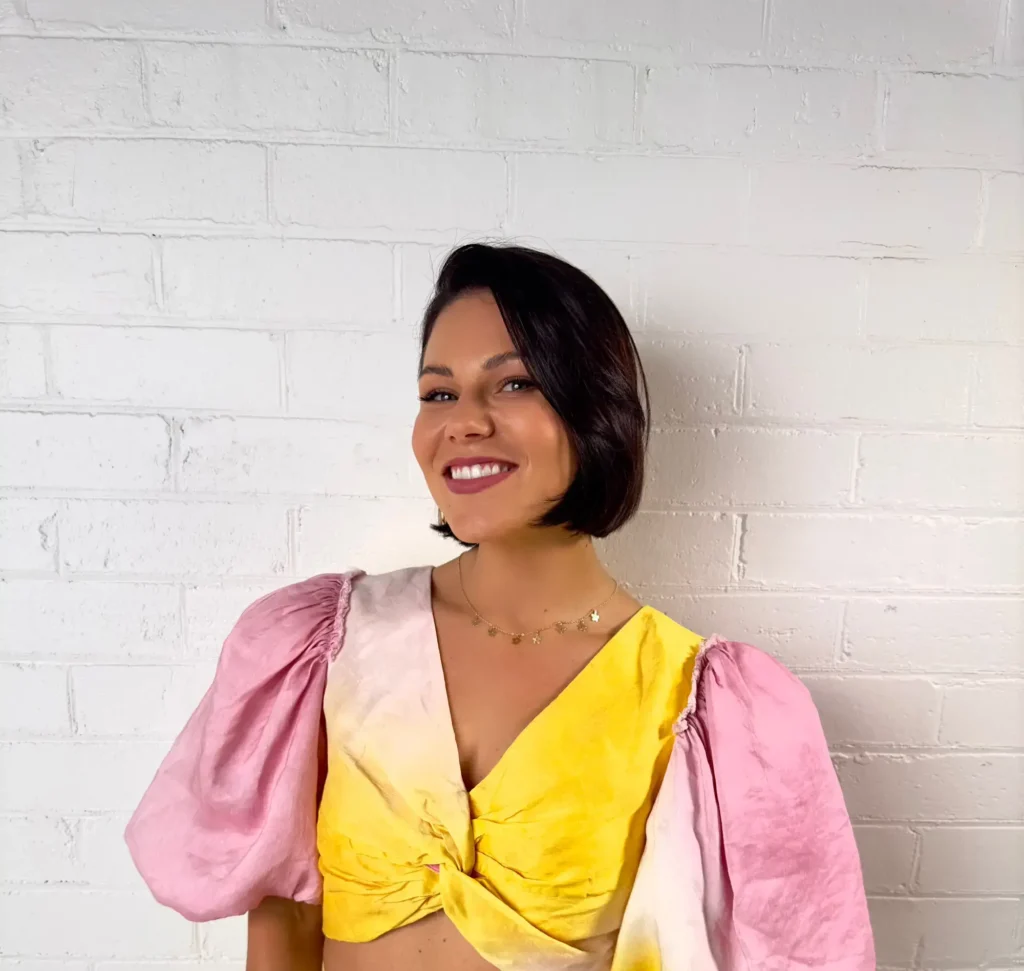
It started with a broken hand.
A quick fall, an awkward landing, nothing dramatic really, but suddenly everything small became impossible. Australian, Storm Menzies couldn’t twist open her mascara, couldn’t hold a pencil and couldn’t sign her name neatly. “It sounds trivial,” she says, “but losing the use of my hand felt like losing a part of myself.”
Makeup had always been her ritual. She liked the quiet concentration of it, the order in the process: primer, base, lashes then lip. “It’s not about vanity,” she says. “It’s how I start my day.” So when she couldn’t do it, mornings felt hollow. The mirror stopped being an invitation and turned into a wall.
Storm has mild cerebral palsy, something she describes as “invisible until it isn’t.” Her hands can shake, her grip fade and fine motor tasks take more thought than they should. She’s lived with it forever, mostly unbothered. “I’ve always done things differently,” she says. “I learned to type in my own way, I write slower, I’ve just adapted.” But this time, there was no adapting. Every product she tried slipped, spun, or refused to open.
She started searching for accessible beauty tools, expecting a hidden world of adaptive design. “I thought, surely someone’s solved this,” she says. Instead, she found nothing that wasn’t beige, bulky, or medical. She called a friend who also has cerebral palsy to ask for recommendations. “She just laughed,” Storm recalls. “‘Babe, I don’t wear makeup,’ she said. ‘It’s not made for us. No one sees us as beautiful anyway.’ That one line sat with me for weeks. It broke my heart.”
One afternoon, she grabbed a few tubes from her makeup bag and a pack of air-dry clay, then started sculpting. She didn’t sketch or plan. She just pressed and shaped by instinct, building a thicker handle around the products. “It was ugly,” she laughs. “Lumpy and uneven, but I could hold it again. That was the moment everything clicked.”
That messy little clay grip became the seed of By Storm. Over the next few months, her kitchen table turned into a makeshift studio. Makeup brushes sat next to 3D prints, silicone moulds, sponges, and rulers. “I didn’t know what I was doing,” she says. “But I couldn’t stop. I’d go to bed thinking about it and wake up eager to try again.”
She remembers the learning curve: teaching herself CAD software from YouTube, ordering mould materials from industrial suppliers, making prototypes that melted, cracked, or stuck to her fingers. “It was chaotic,” she says, “but I wanted to prove that accessibility could look cool. Everything I found was either medical or childish. I wanted minimal, sculptural and beautiful.”
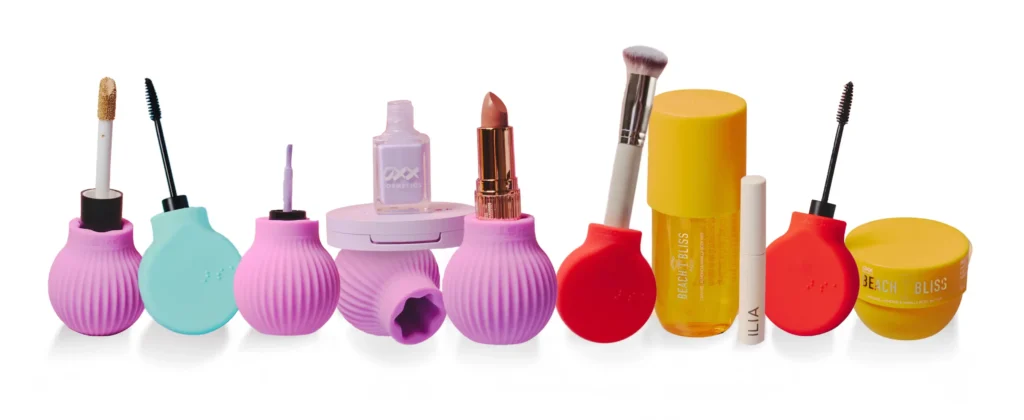
That focus on design came from a deep place. “When you live with a disability, things around you are built to be functional, not beautiful,” she says. “You start to internalize that. You start to think you don’t deserve nice things unless they’re practical. I wanted to change that for myself and for everyone like me.”
When she finally landed on a shape that felt right: a soft, rounded grip that held a mascara wand snugly in the palm, she cried. “It sounds dramatic,” she says, “but it was freedom. I could do my makeup again. It was me again.”
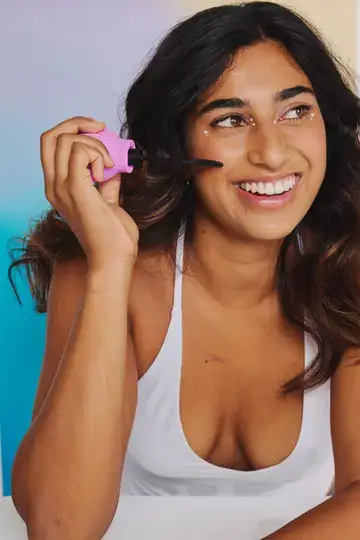
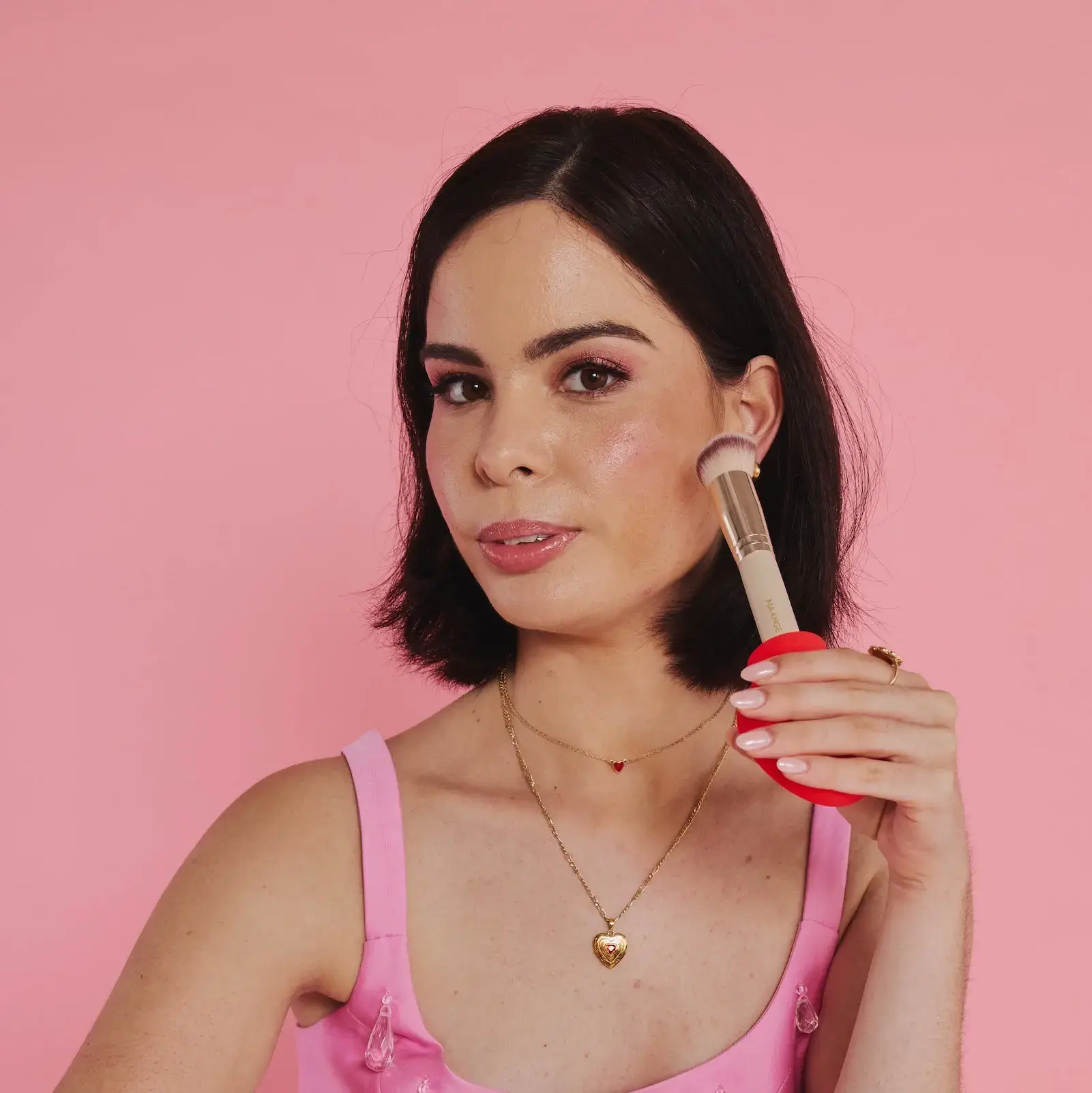
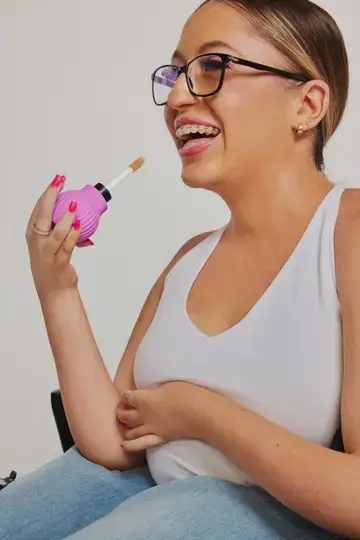
From those early lumps of clay came By Storm, launched ten weeks ago. The brand’s debut collection includes two silicone grips designed to fit onto most beauty products: mascara, lipstick, nail polish and small brushes. The first, Betty, is rounded and soft, a gentle fit for the palm. The second, Margie, is slim and streamlined, made for precision. “They look like design objects,” Storm says and that was deliberate. Storm didn’t want By Storm to look clinical. “Assistive tools are often beige, boxy and hidden away,” she says. “I wanted to make something beautiful. People deserve to feel proud of the things that help them.”
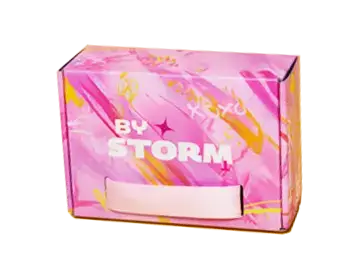
She taught herself 3D modelling, printed and poured hundreds of test moulds, and broke plenty of them along the way. “I ran one over with my car,” she grins. “It survived, so I knew I was onto something.” Each grip retails for $45 and comes in packaging that opens with a single pull tab and a ribbon loop for easy handling. Braille lettering spells out the logo. Inside, a QR code leads to accessible visual and audio instructions.
Sales came quickly. Two thousand units sold in the first three months, shipping to the US, UK, Canada and across Australia. By Storm has already been approved as an NDIS-registered provider, meaning participants can fund the grips as assistive technology. “It’s a small thing, but it changes how beauty fits into disability frameworks,” she says. “For once, something fun gets counted as essential.”
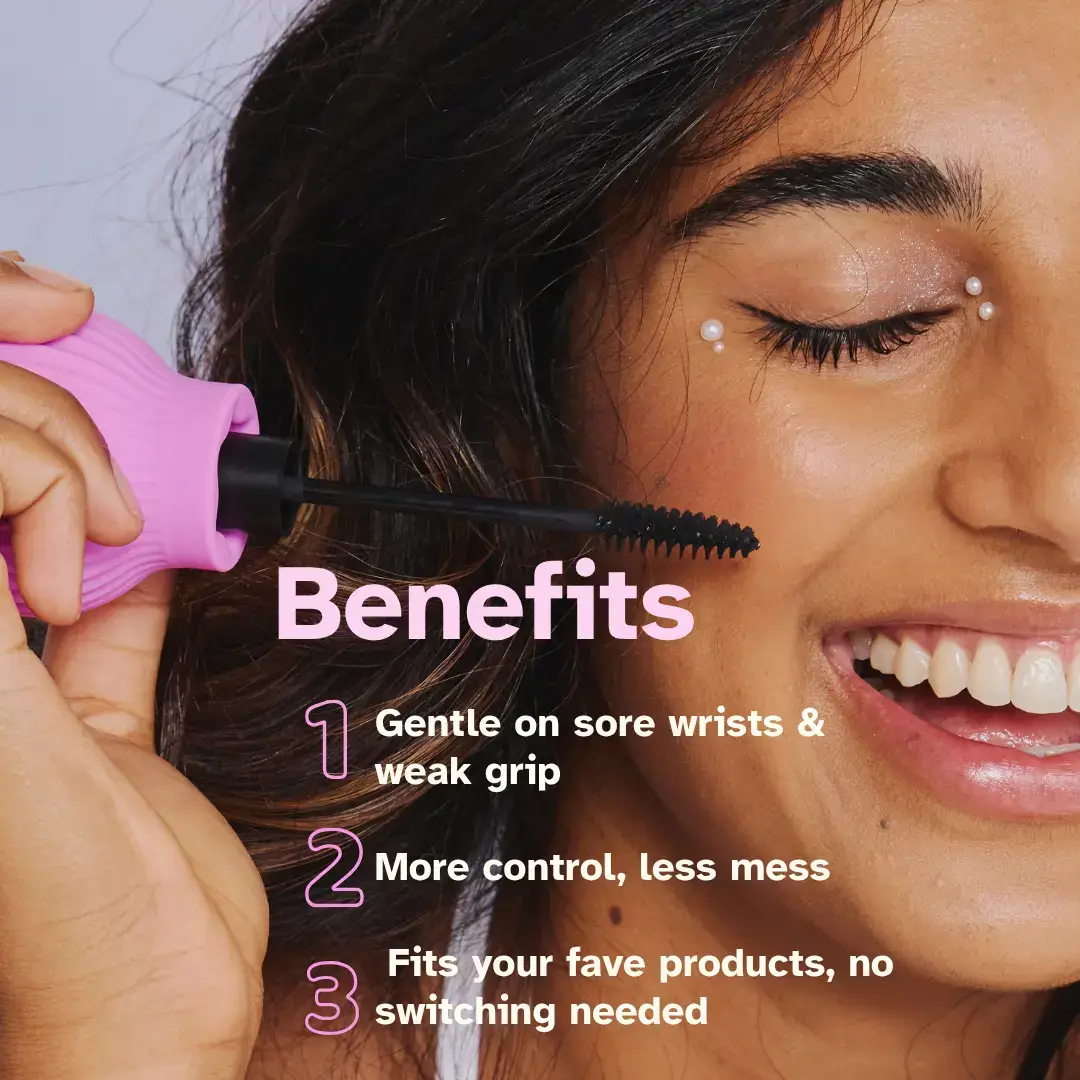
Messages from customers fill her inbox: an arthritis sufferer who can finally twist a mascara wand, a stroke survivor rebuilding fine motor skills, a makeup artist whose tremors used to end her sessions early. “One mum wrote to say her daughter, who has a rare condition, can now do her own makeup before school,” Storm says quietly. “That one got me. That’s independence.”
Occupational therapists have started paying attention too, exploring the grips as tools for rehabilitation. Storm’s been invited to collaborate on early studies. “Beauty has always been about confidence,” she says. “But it’s also motor training, patience, sequencing, all the things therapy tries to build. It just happens to be wrapped in colour and light.”
Still, not everyone understood the vision. “Investors told me it was too niche,” she says. “But inclusion is never niche, it’s just overdue.”
She references Fenty often. “When Rihanna launched forty foundation shades, people called it radical. Now it’s the standard. Accessible design will follow the same path. It just needs its moment.”
That moment feels close. A collaboration with Australian label Booby proved the appeal runs beyond disability spaces. The limited edition featured colour-matched grips and sold out in days. “It wasn’t a pity product,” she says. “It was chic and it belonged right there next to everything else.”
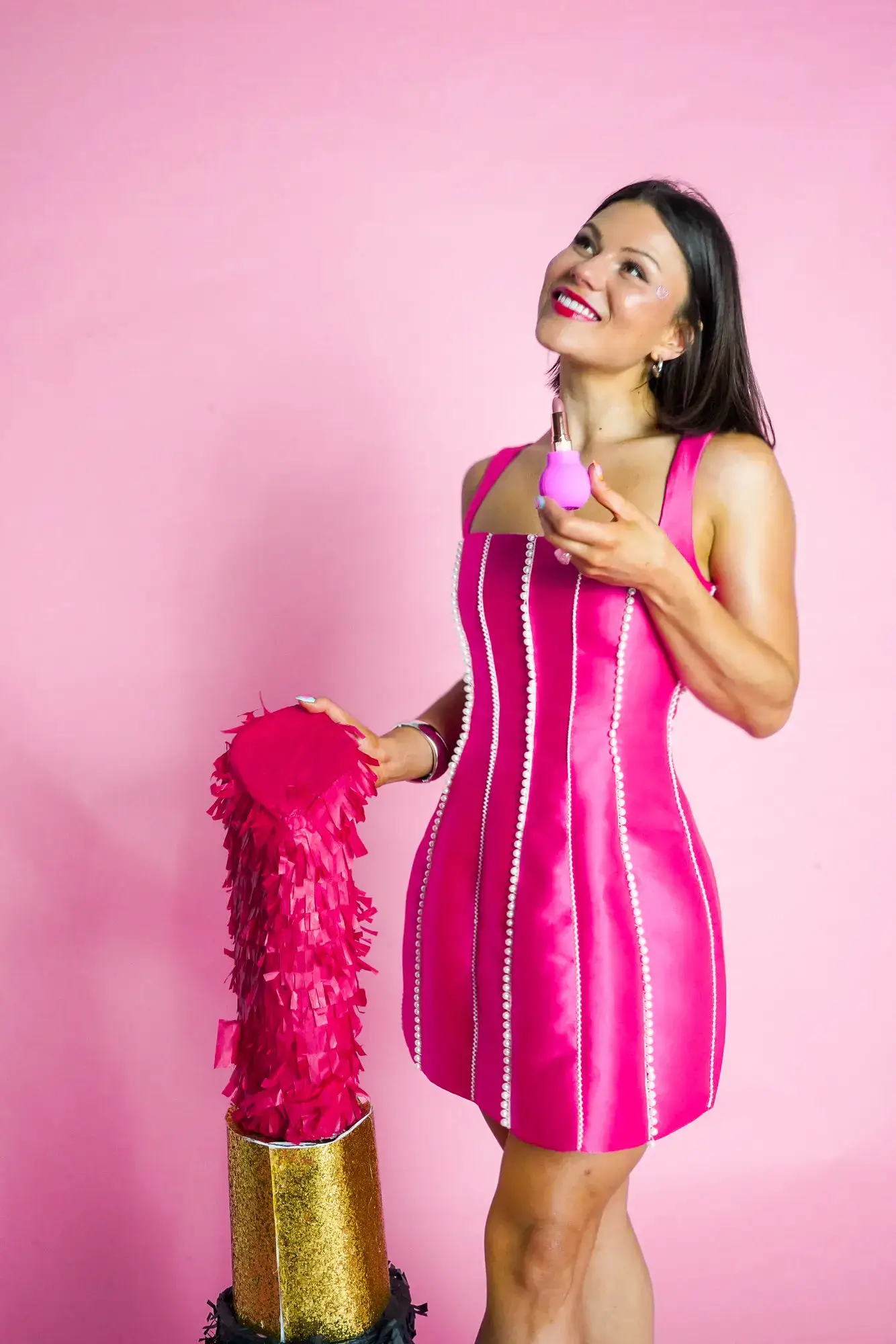
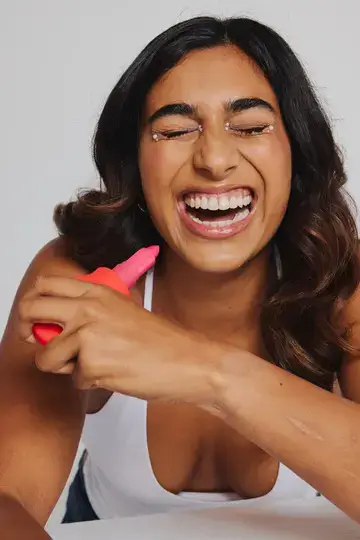
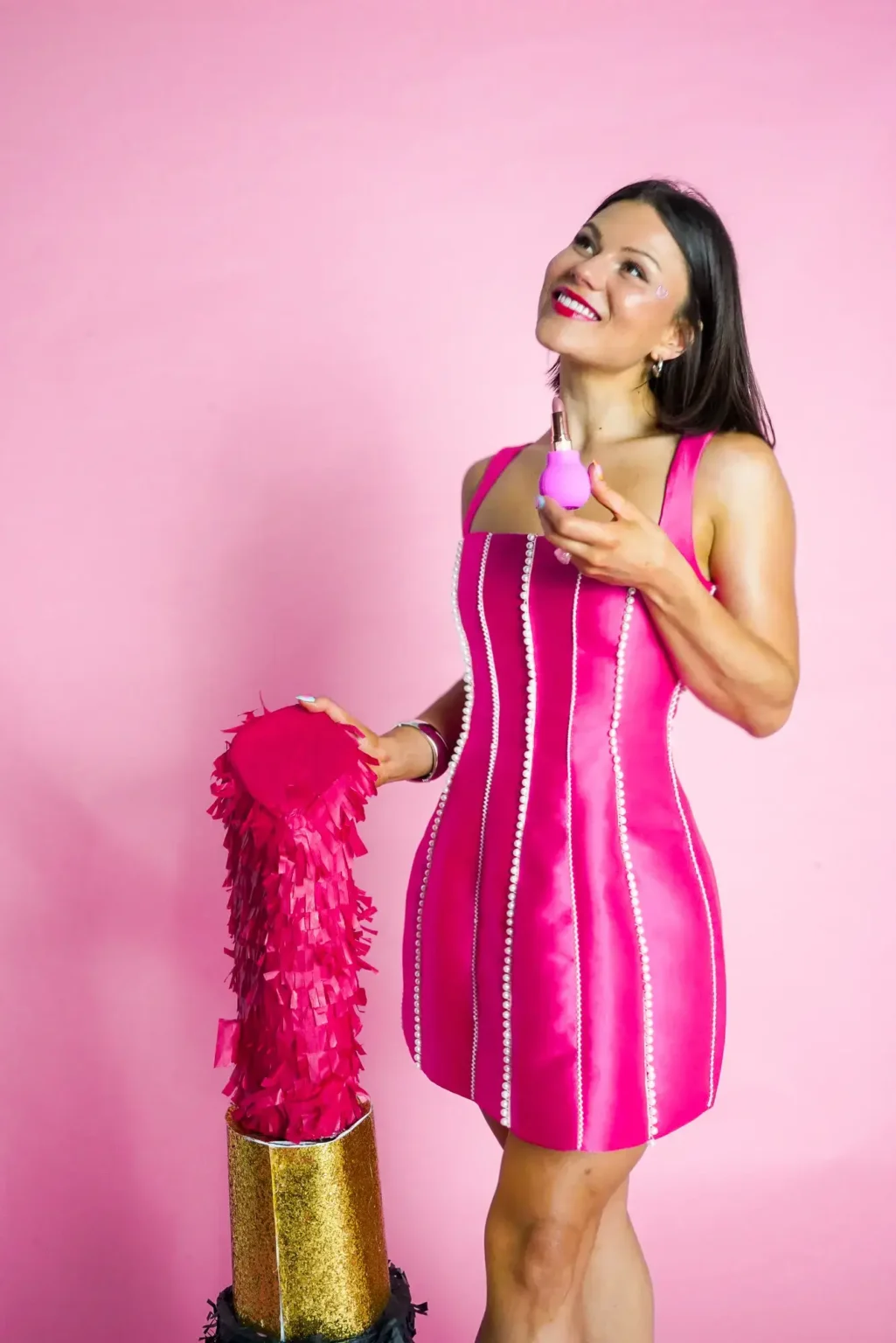
By Storm’s campaign imagery cements that message. Models with disabilities, styled bold and unapologetic. No soft focus or pastel pity. Just beauty that looks like everyone. “I wanted the photos to feel like a celebration, not an explanation,” she says.
Storm still keeps one of her first clay prototypes nearby, fingerprints pressed into the surface. “It reminds me what this is really about,” she says. “I just wanted to do my makeup again. To feel like me.”
Now she’s built a brand that lets thousands do the same.
Beauty has long belonged only to steady hands but ByStorm is proof that it never needed to.