
Listen to this Article
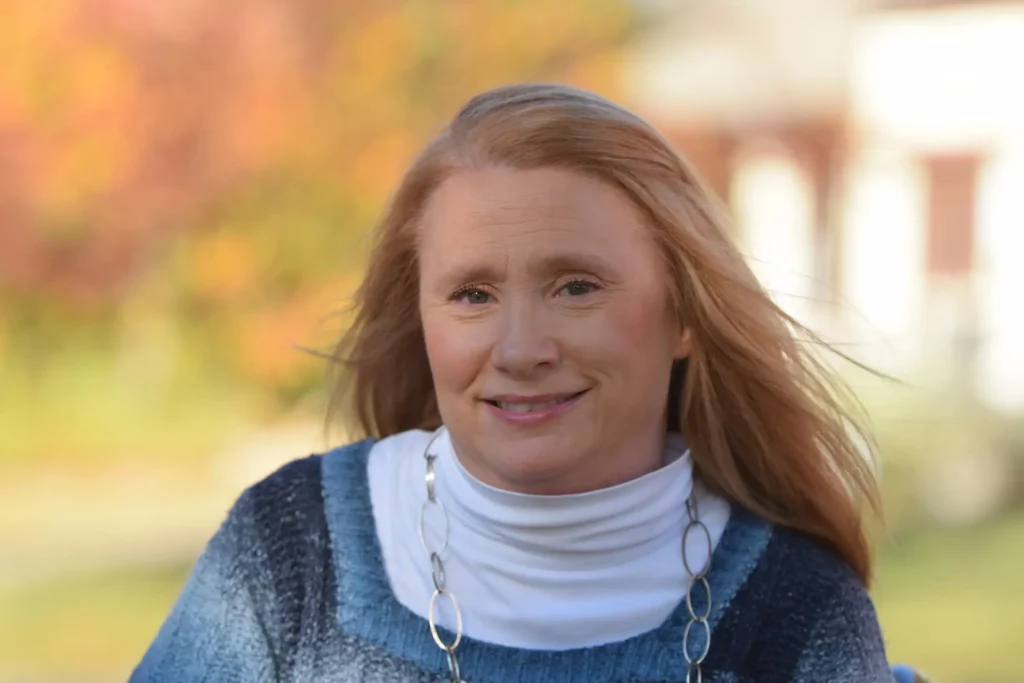
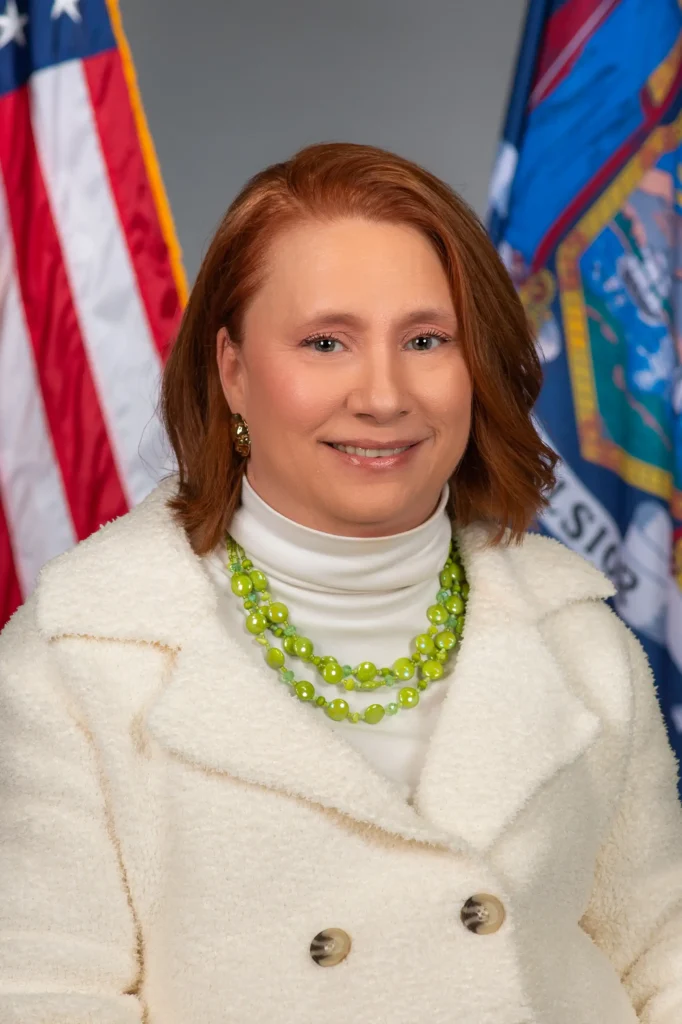
When New York created the role of Chief Disability Officer in 2022 it placed disability policy where it had rarely lived before, inside the Governor’s executive chamber with direct access to every agency under state control. Wheelchair user, Kimberly Hill Ridley stepped into that role with decades of institutional knowledge and lived experience shaped inside government hallways rather than outside them.
Ridley’s path began with public relations and journalism at Utica College of Syracuse University, now Utica University, followed by an early career in communications for the New York State Assembly. Writing, graphic design and legislative messaging were her first tools. Disability policy entered her professional life later, first through the Assembly’s Task Force on People with Disabilities, then as principal analyst for the Committee for People with Disabilities.
At that point, physical and sensory disabilities sat outside the scope of mental health and developmental disability committees. That gap mattered and she worked directly inside it.
Her work inside the Assembly revealed a reality few people outside Albany, the centre of New York State government, ever see. Disability decisions were often made without disabled people in the room. Ridley was frequently the only staff member with a disability and representation was thin and largely incidental. That reality shaped her belief that leadership roles tied to disability must be held by disabled people themselves because without lived experience policy rarely lands where it needs to.
That belief now guides an office that functions as an entry point for disabled New Yorkers seeking answers, connection or direction. The Office of the Chief Disability Officer acts as a landing place for individuals, families, advocacy organizations, service providers and state agencies. Meetings arrive through Zoom screens and in person visits. Calendars fill quickly. The work does not pause at five o’clock!
One of Ridley’s first priorities involved building a team that reflected the community it serves. More than half of her staff identify as disabled – with remaining team members having decades of personal (e.g., parent or child of a person with a disability) and/or direct professional experience with supporting members of the disability community. Hiring practices align with public messaging while advocacy and internal operations follow the same rules. That consistency matters in a system that has for too long often spoken one language publicly and practiced another internally.
Early focus in that new space centered on visibility and access. In its first years the office conducted thousands of meetings with individuals, families and groups of New Yorkers from across the entire state. Many involved people who had never held direct contact with state government. Prior to 2022 physical and sensory disability concerns lacked a clear home at the executive level. The office filled that void and word traveled quickly.
Employment became a central priority under Governor Kathy Hochul’s direction. Two executive orders committed New York to becoming a model employer and an employment-first state with agencies under gubernatorial control now developing strategic plans tied to hiring disabled workers. Many agencies had never considered disability as being part of their mandate before. Much-needed conversations have started!
Ridley also chairs New York’s Most Integrated Setting Coordinating Council, responsible for assisting with ensuring that New Yorkers with disabilities receive care and services in the most integrated – and least restrictive – settings appropriate to their needs. In addition, thanks to Governor Hochul’s 2024 State of the State proposal requiring New York State to develop an Olmstead Plan and through the leadership of the Office of the Chief Disability Officer, the state is now nearing completion of an Olmstead plan.
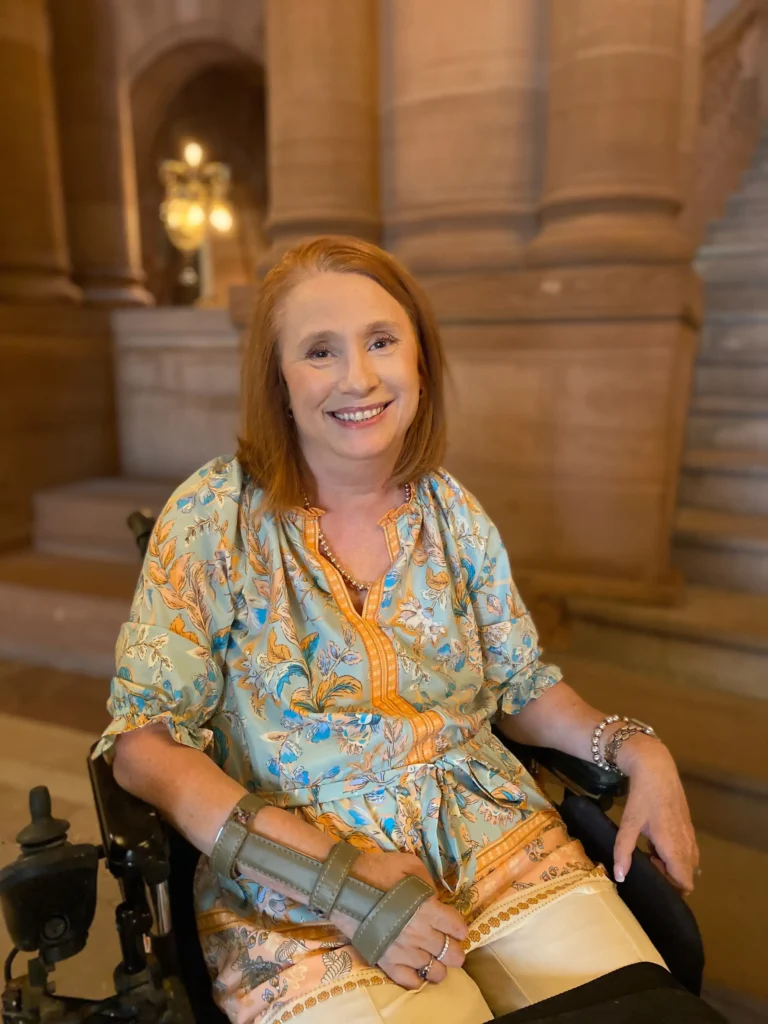
Representation gaps extended further. For years New York lacked a formal structure supporting Deaf, DeafBlind and Hard of Hearing communities. A previous coordinating council formed in 2013 dissolved quickly without impact. Ridley pushed for its revival inside her office. Today New York has a dedicated Deaf, DeafBlind and Hard of Hearing office with an executive director who is DeafBlind, supported by full time ASL interpretation. A new interagency council is close to launch.
Accessibility progress varies by area and physical access in New York has improved over time from Ridley’s perspective as a wheelchair user, though gaps remain. Employment, housing, transportation, emergency preparedness and digital access require sustained attention. Employment outcomes remain stark with roughly 30% of disabled people being employed compared to roughly 70% of non-disabled peers. Those numbers drive poverty and dependence on benefits.
But small changes can yield large returns. Ridley notes many workplace accommodations cost less than five hundred dollars and barriers often persist because of assumptions rather than logistics. Medicaid policy has also played a major role as New York expanded its Medicaid Buy–In program for Working People with Disabilities allowing disabled workers to earn without losing essential coverage. Federal approval of the program’s expansion remains pending, but its impact could reshape employment decisions statewide.
Digital access presents another challenge as Government documents and online systems frequently exclude blind, low vision, Deaf, DeafBlind and hard-of-hearing users. Creating accessible files remains a skill many staff never learned so her office works across agencies to raise that baseline. Progress is moving along in increments with each step revealing another layer requiring attention.
The work is demanding and Ridley says it can be hard to separate office from home life. But her children are grown which allows her to work longer hours and she ensures that family vacations remain protected time, although balance is still a work in progress.
Asked to imagine a fully accessible New York she offered a simple measure. Her office would no longer need to exist. Housing, transportation, employment and emergency planning would include disabled people as a matter of course. Services would be reliable and expectations would match those placed on non-disabled residents. Disability would no longer require dedicated advocacy to be seen.
Until that day arrives, her office stays busy. Meetings continue, agencies call, individuals seek guidance and policy drafts cross desks late at night. Although access remains a process rather than a destination, New York’s disability work now has a clear address, sustained leadership and a door that stays open to the people it exists to serve.