Listen to this Article
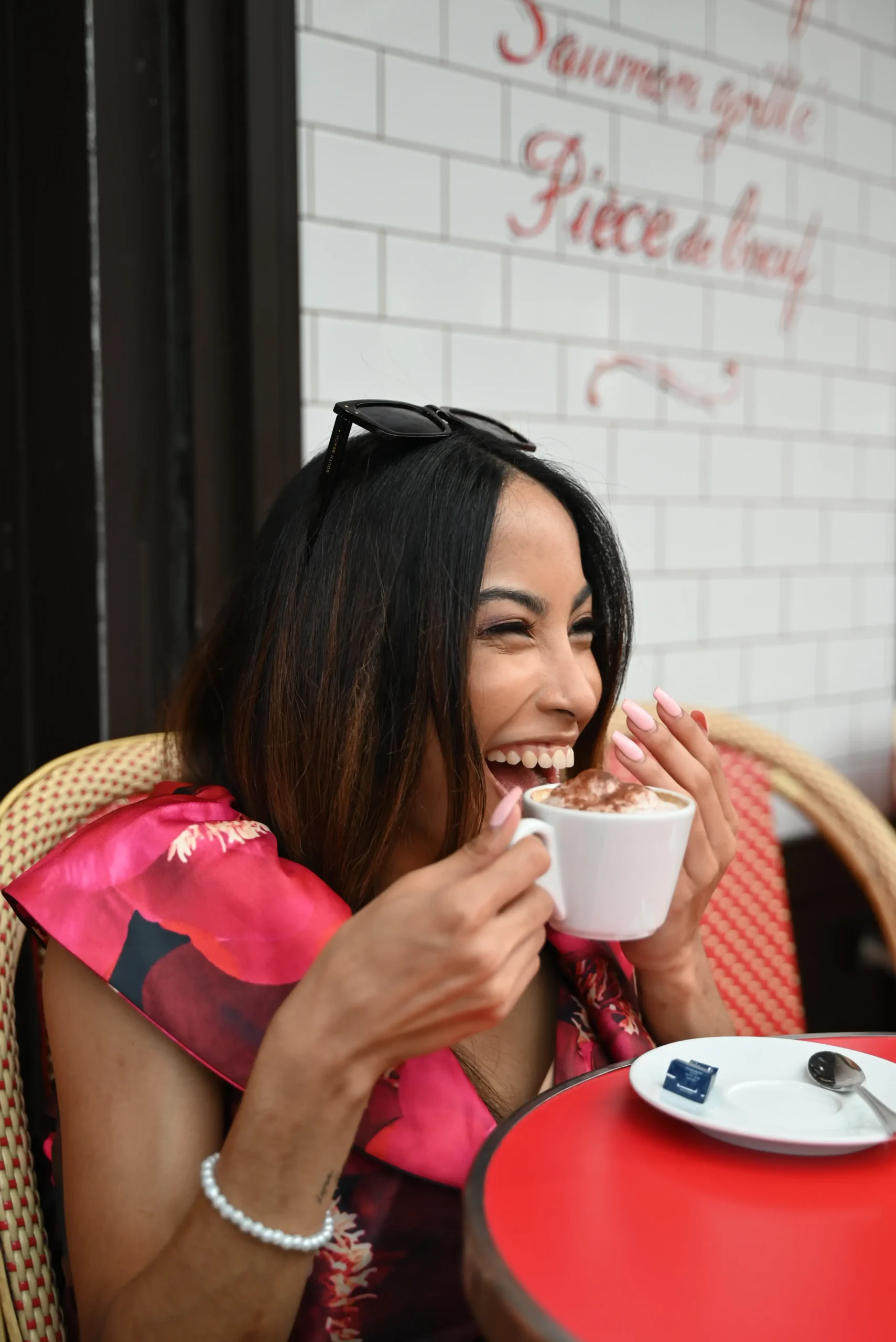
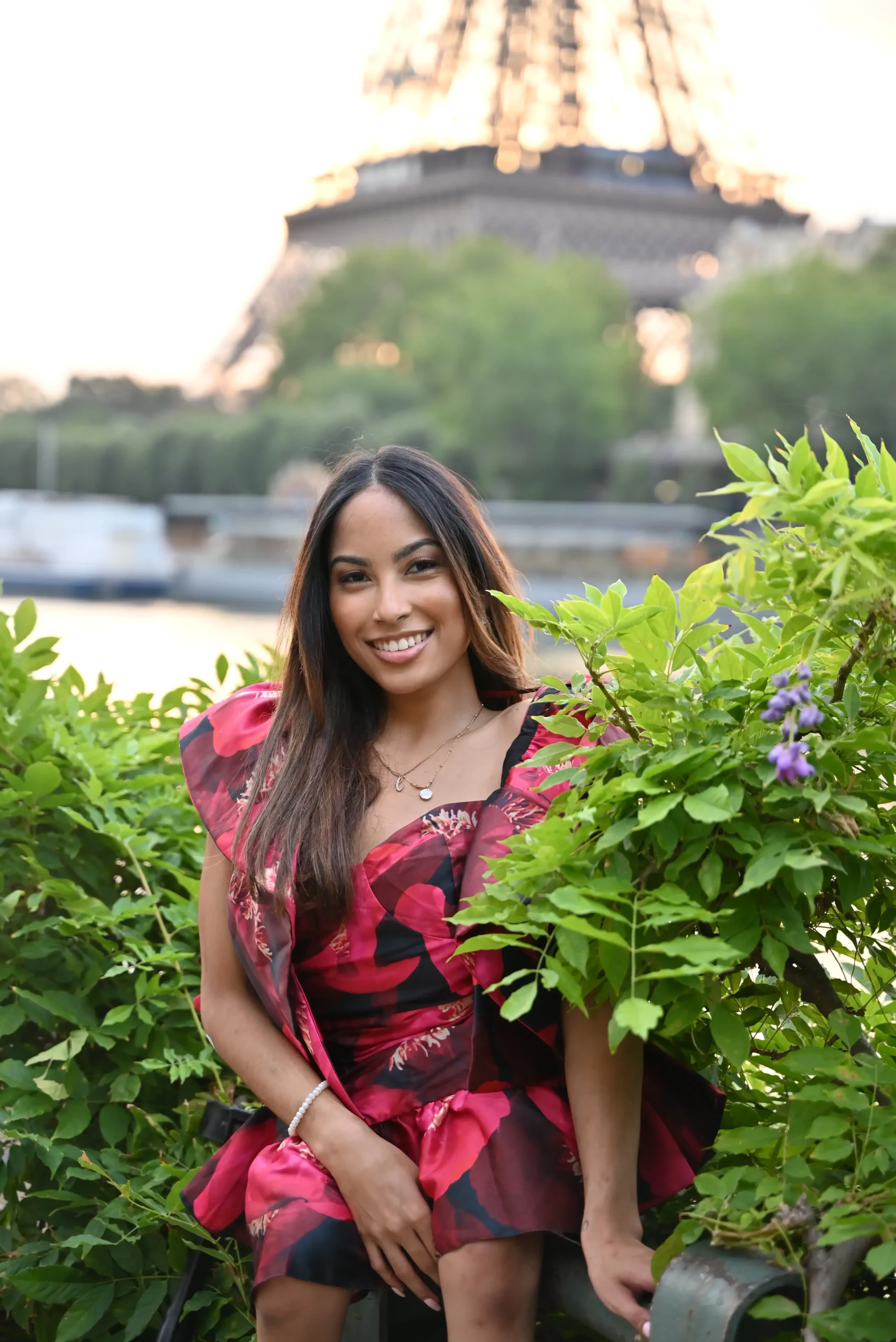
Laura Wagner Mayer’s fearless fashion
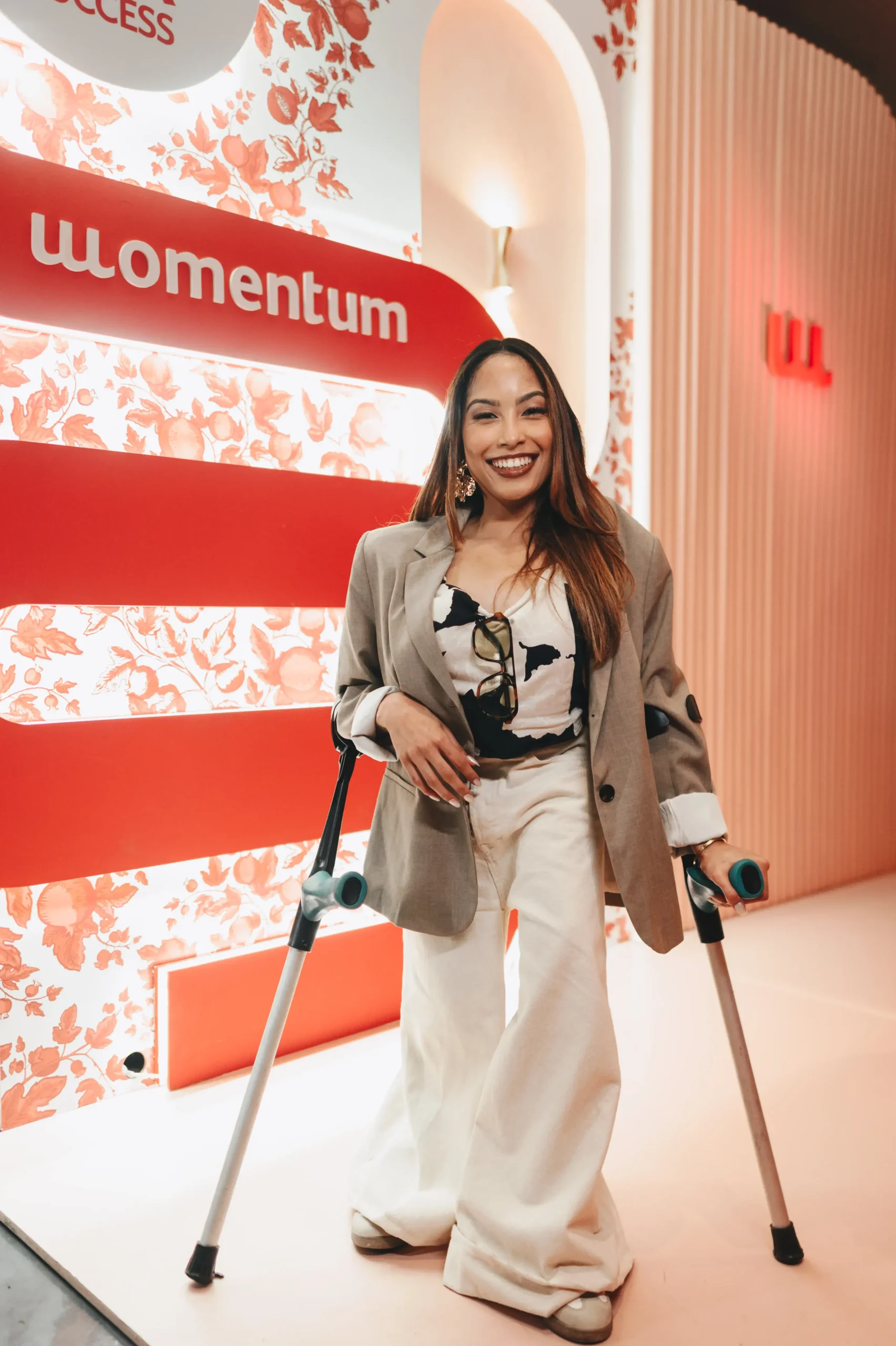
The first time Laura Wagner-Mayer felt like she owned the room, she was seventeen, standing in front of a mirror in a custom-made dress for her matric farewell dance. Not just any dress. This one was shaped around her. A high-low hem that skimmed at just the right angle, a bodice curved where her body curved, a length that moved with her gait instead of fighting it. “The second they zipped it up, I felt like Laura 2.0,” she says, laughing. “We even had a red carpet at the venue and I was strutting like I’d been doing it my whole life.”
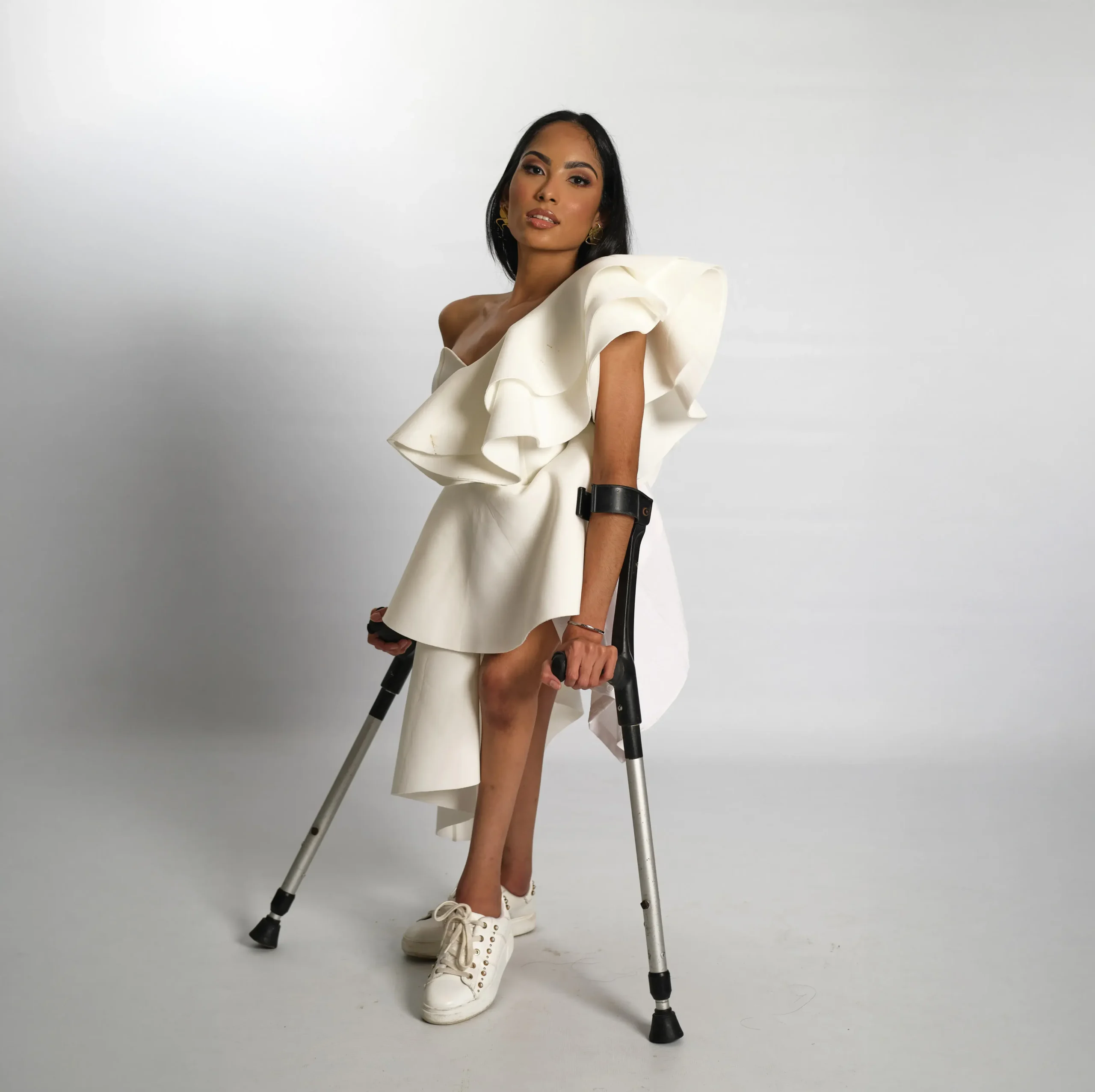
The magic wasn’t in sequins or a headline-grabbing silhouette. It was in the fit and in the fact that for once, she didn’t have to compromise. For a young woman who had spent her teenage years watching her able-bodied twin sister effortlessly shop the trends, to Laura, this was proof that fashion could meet her halfway. That night a seed was planted. If one dress could spark that kind of confidence in her, what might be possible if clothing was created from the start with every body in mind?
Shaking up the pattern
Laura will tell you adaptive fashion has an image problem. Too often, it’s bolted onto the side of a brand’s main range, stripped of style, treated as a separate world. Designers tick a box without ever meeting the people they claim to be designing for. “If you aren’t part of the conversation from the start, the end product never feels like it’s for you,” she explains. “It becomes clothing shaped for an idea of a body, not a person.”
Her answer is universal design. Clothes that anyone can take from the rack, try on, and make their own without wandering into some hidden, awkward ‘special’ section. But that doesn’t mean ignoring individuality. Quite the opposite. When she works with private clients, the first thing she does is ask questions. What have you always wanted to wear but couldn’t? What drives you mad in the fit of something you own? Then she pushes a little further. “I’ll say, let’s go bolder. Let’s break the rules you think are in place for you.”
The New Normal
Her graduate collection from fashion school carried a name meant to raise eyebrows: The New Normal. People expected defiance. They got softness, romantic lines, garments that flowed instead of clung. “I wanted the name to feel a bit provocative, but the clothes should have this gentle ease,” she says.
The stand-out piece? A vivid red dress she modelled herself when a casting gap left her one model short. “I thought it might feel strange, being both designer and model, but it brought me back to that first big moment in high school. It reminded me why I do this.”
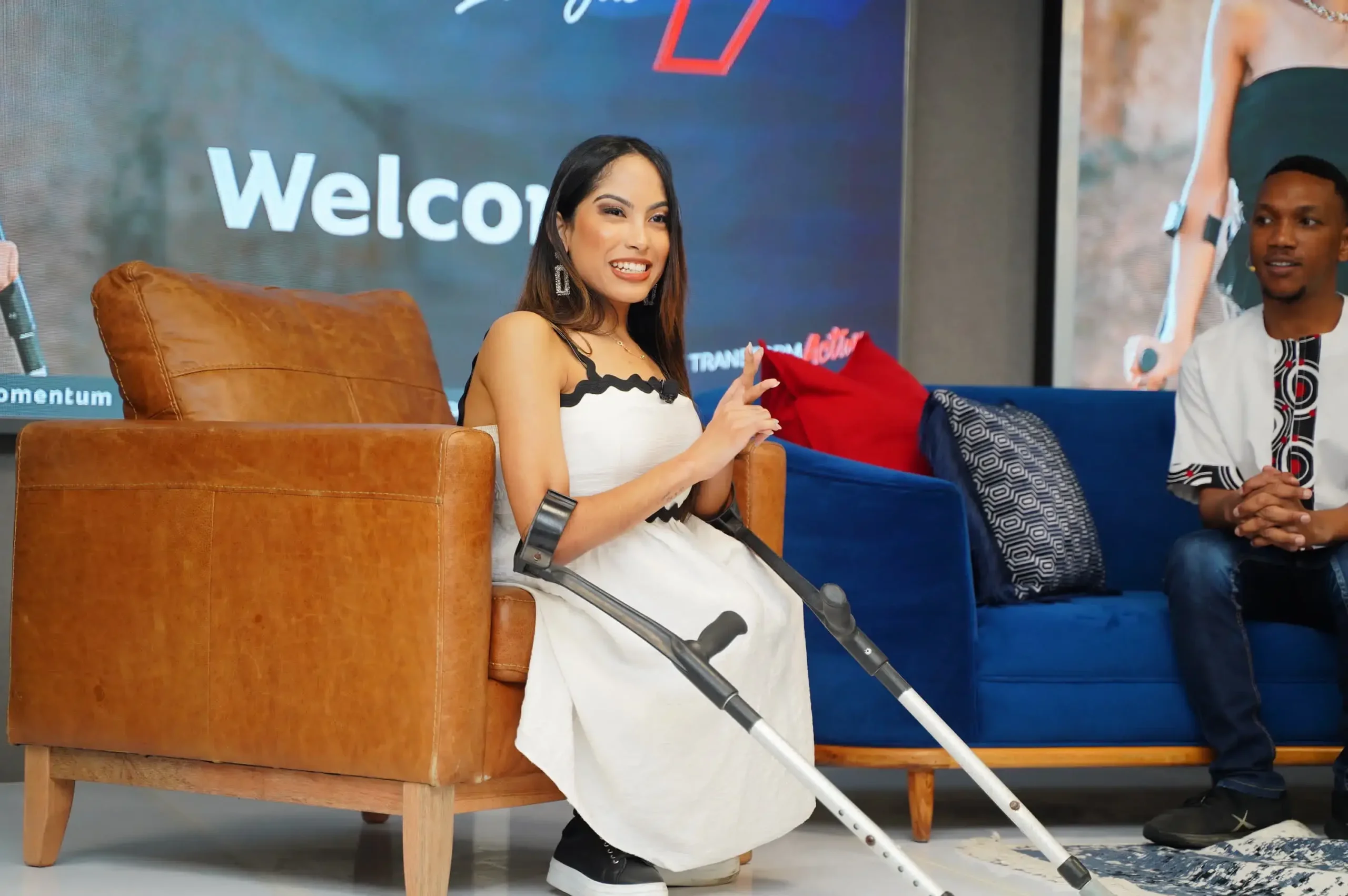
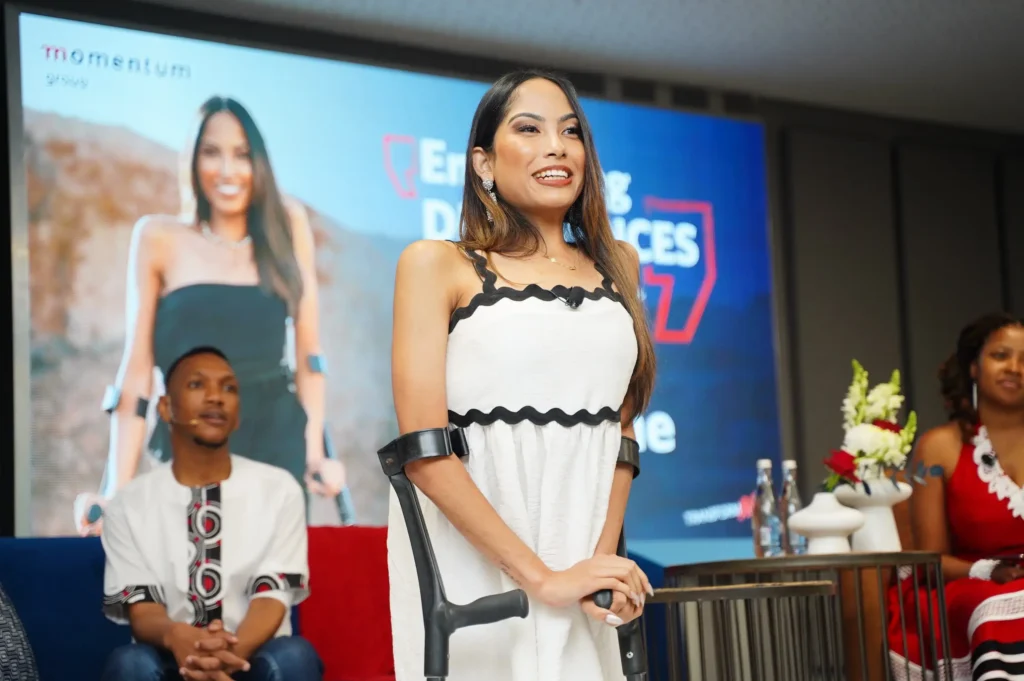
But fashion isn’t her only stage. In between design work and her nine-to-five as a program manager, Laura’s been stepping into the public eye for another kind of runway: Miss South Africa. She’s entering for the fourth time this year, not because she’s chasing crowns but because she understands the visibility it brings. “Every year the support grows. At first, people didn’t know what to make of it. Now they say, we see you, we get why you’re here.”
Empathy is a design tool
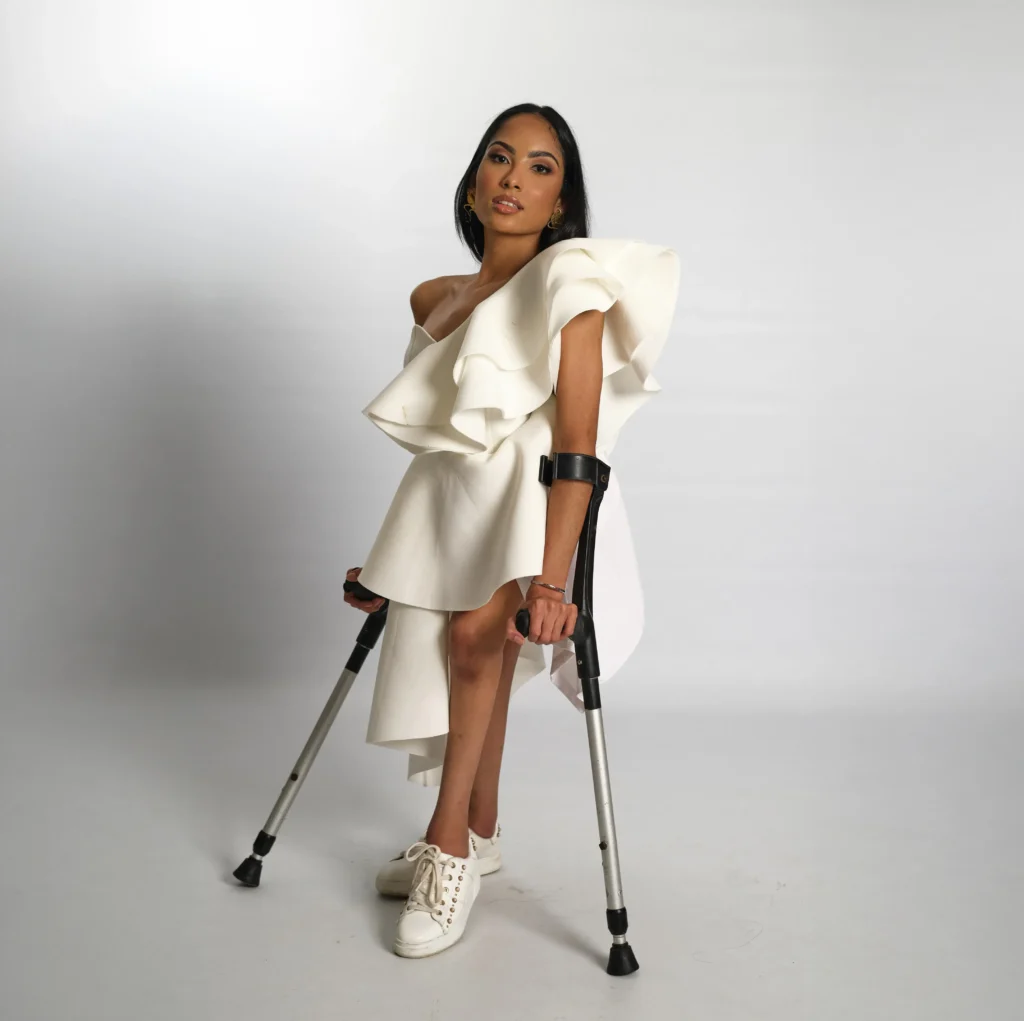
Ask her what her brand is built on and she doesn’t hesitate. Empathy. Not the performative kind, but a genuine interest in making someone feel transformed. It’s why fittings with her are conversations, not transactions. It’s why she’ll adjust a seam so a client’s stride feels effortless, or sneak in a detail that echoes their personality. “I want people to look in the mirror and see themselves, but in high-definition,” she says.
She knows what confidence can do. She’s watched it on photo shoots with teenage girls in adaptive gowns, shoulders relaxing, eyes catching the light in ways they didn’t before. “You could put them in luminous items with reflective badges and they’d still glow,” she jokes. “The clothes mattered, but the connection mattered more.”
Beyond the catwalk
Laura’s impact is stretching further through her advocacy and social media presence. She uses content creation to plant seeds of awareness in audiences who may never have thought about disability in fashion. “Once people start asking, ‘Why isn’t this standard?’ you know you’re getting somewhere,” she says.
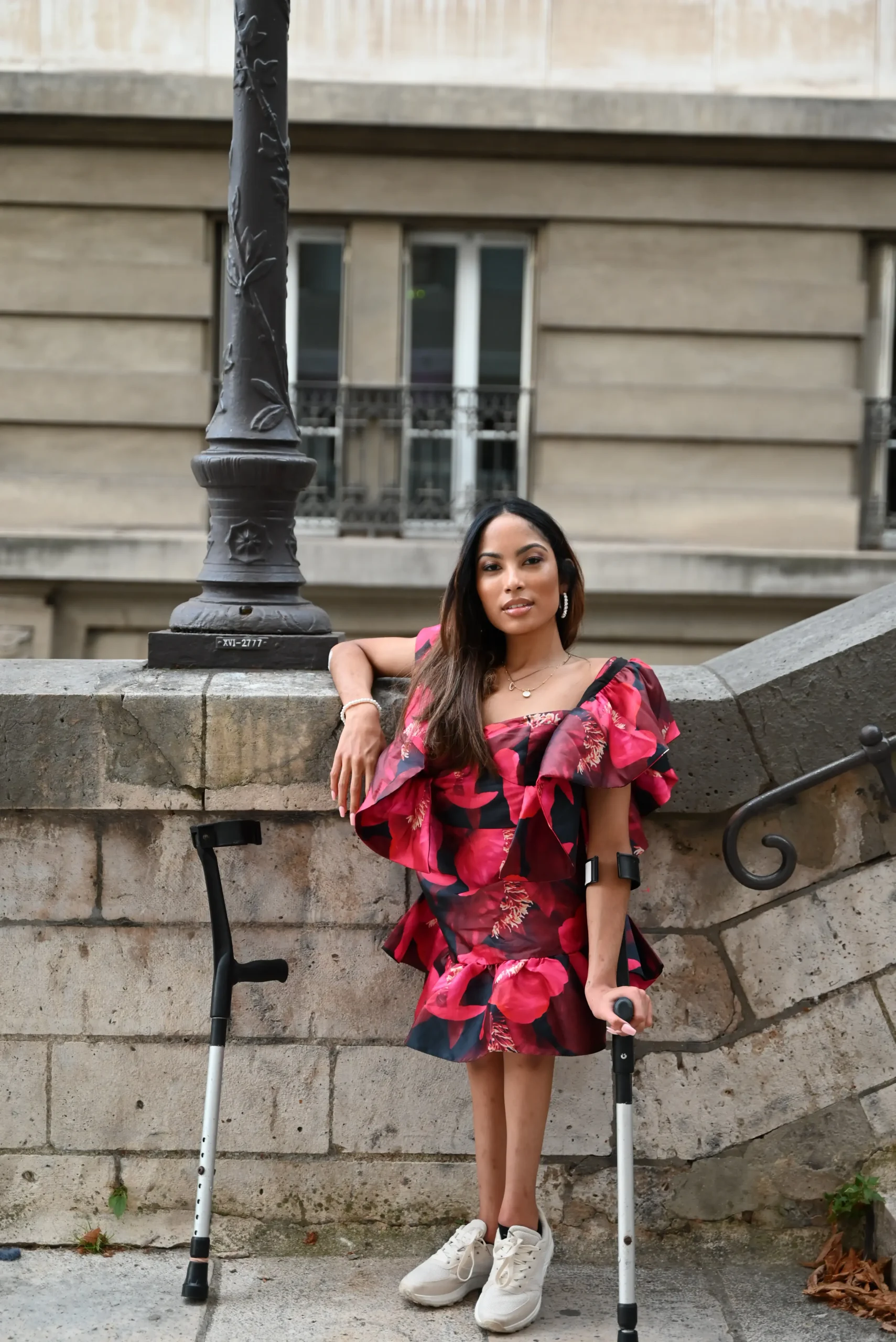
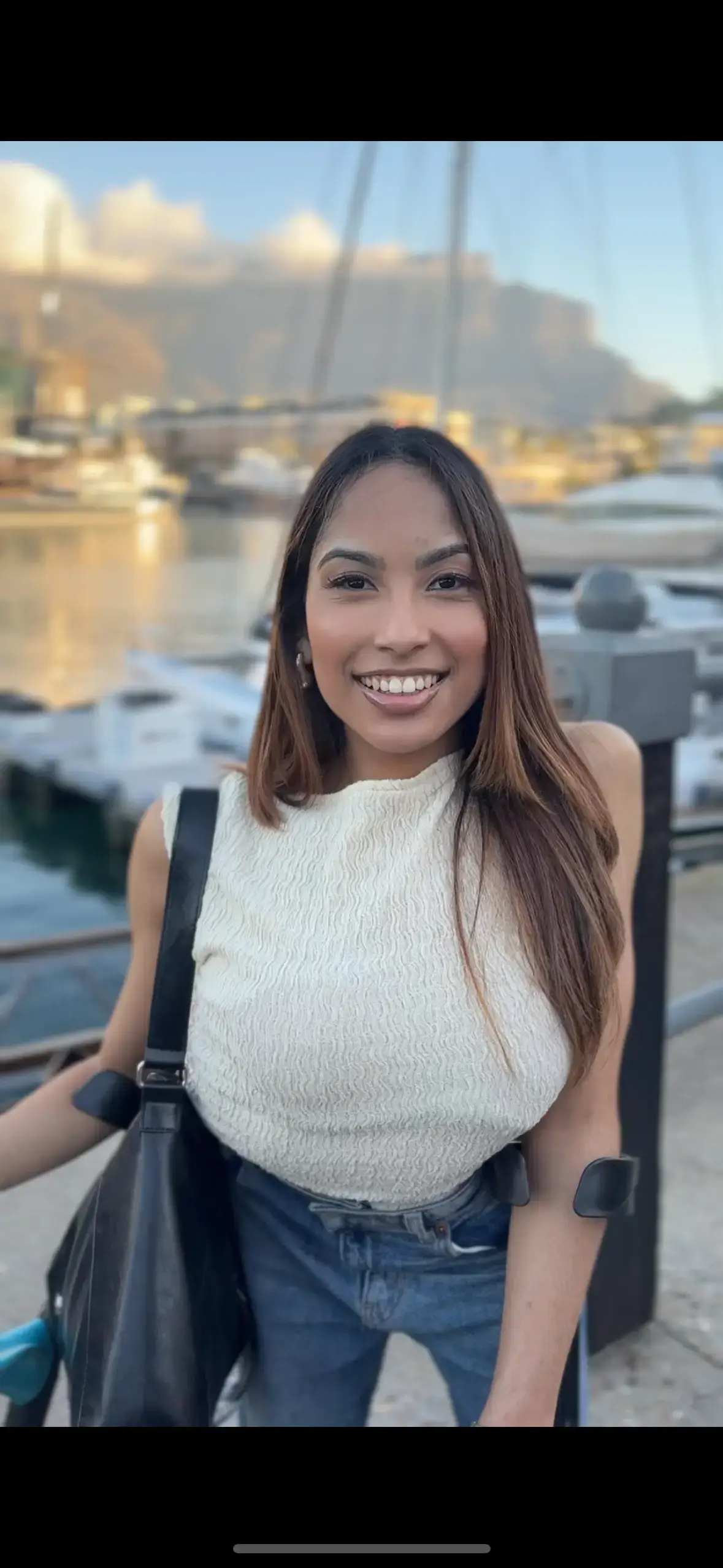
It’s part education, part myth-busting. The idea that disabled people don’t have ambitions, careers, or adventure in their lives is one she’s happily dismantling. Her feed might show her managing a sleek design project one day and clambering over Cape Town rocks on crutches the next. “I can’t change the body I was born into, but I choose how I feel in it,” she says.
Style DNA
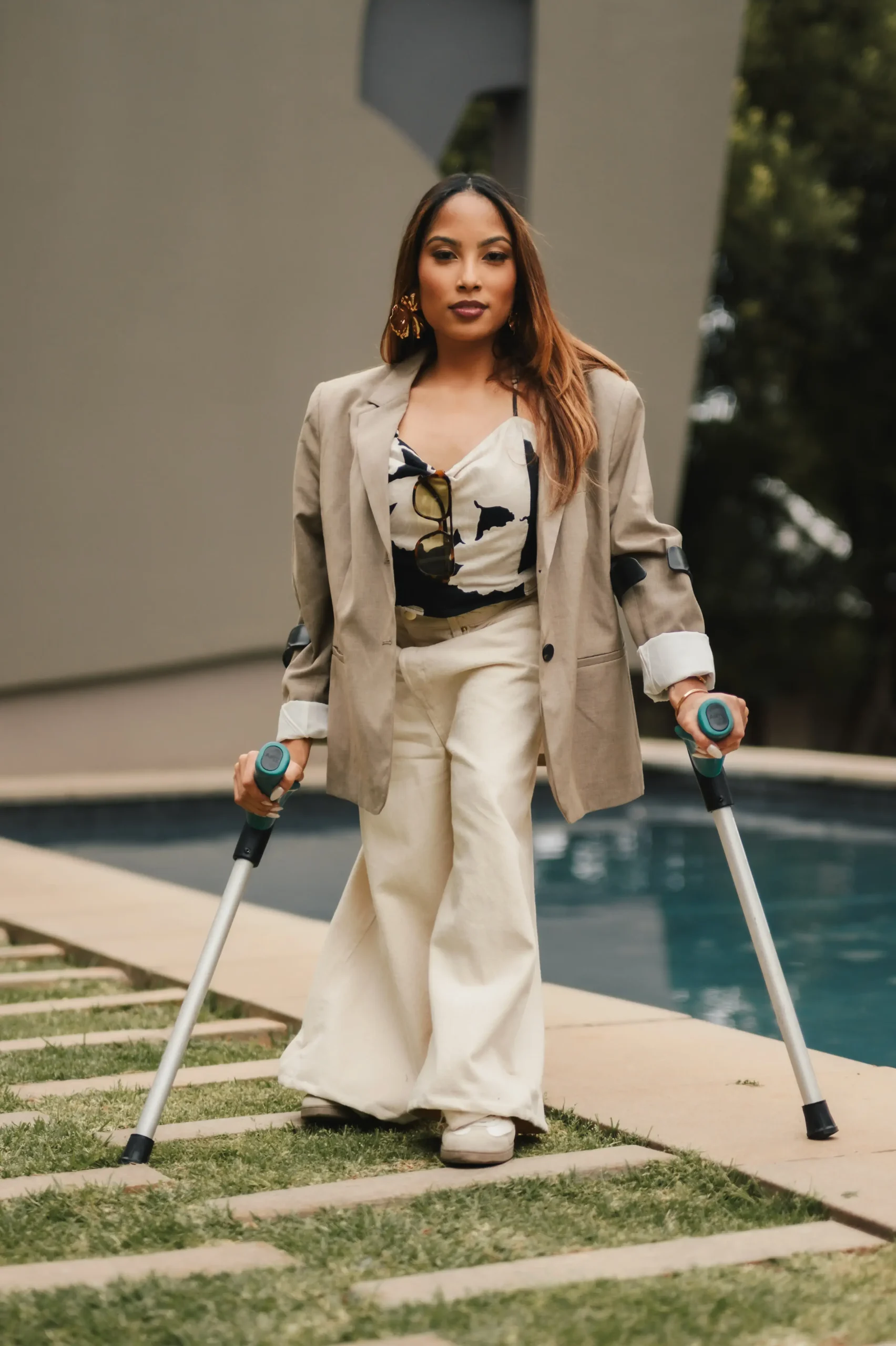
Her personal style? Feminine to the core. She loves frills, big sleeves, jackets in all seasons. Sneakers with bursts of colour keep her grounded when she’s not turning heads in gowns. Paris is her style muse, Dior her dream collaborator, Zendaya her current icon for that sweet spot between boldness and polish.
If her brand had a soundtrack, it would be Eye of the Tiger. “It’s got that build-up, that drive. Makes you want to take on the world.”
She’ll happily scrap bucket hats from the fashion landscape forever, but will defend the right of anyone, disabled or not, to wear whatever makes them feel unstoppable.
Advice to the next wave
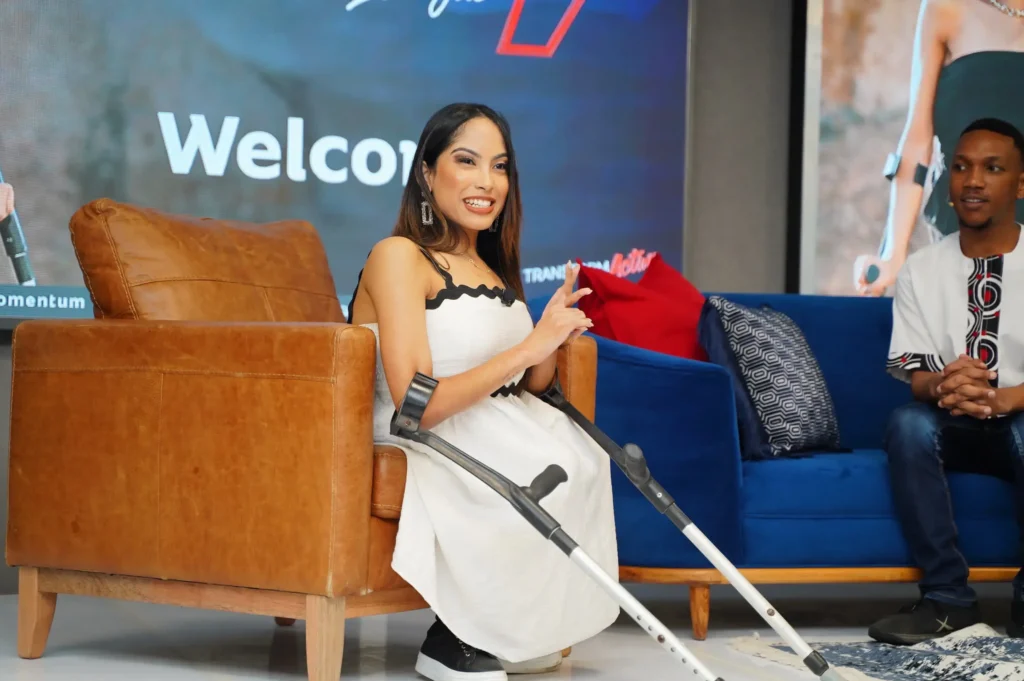
Her message to up-and-coming designers is simple: keep going. Even if no one seems to understand your vision. Even if you feel like you’re speaking into the void. “The real shifts happen when you refuse to dilute yourself to fit the mould. Your individuality is the engine for change.”
It’s the same spirit she’s taking with her into this year’s Miss South Africa process. The sash would be nice, sure, but what she’s really chasing is the ripple effect. The girl who sees her on stage and realises she doesn’t have to wait for permission to take up space. The shopper who stops wondering if fashion is for them and starts knowing it is.
Laura Wagner Mayer is designing clothing, yes, but she’s also designing possibilities. And that, perhaps, is the most stylish thing of all.
Key Takeaways from Laura Wagner Mayer
- Fit is everything
adaptive clothing works best when designed around a person, not just a body type.
- Start with the wearer
include disabled individuals from the earliest design stage, not as an afterthought.
- Universal design matters
everyone should be able to shop the same racks without being segregated into a “special” section.
- Adaptive fashion is not separate fashion
it should be seamlessly integrated into mainstream collections.
- Empathy is a design tool
think about how clothing will make someone feel, not just how it looks.
- Representation has to be real
inclusivity isn’t just a runway moment; it’s in design rooms, marketing and campaigns.
- Confidence can be designed
a well-fitting, thoughtfully adapted garment can transform self-perception.
- Social media can shift mindsets
storytelling online helps dismantle stereotypes and normalize disability in fashion.
- Visibility creates change
showing up in spaces where disabled people are underrepresented changes perceptions.
- Individuality drives innovation
change comes from those willing to stand out, not blend in.
- Clothing can be a catalyst for community
fashion can foster connection, belonging and shared experiences.