Listen to this Article

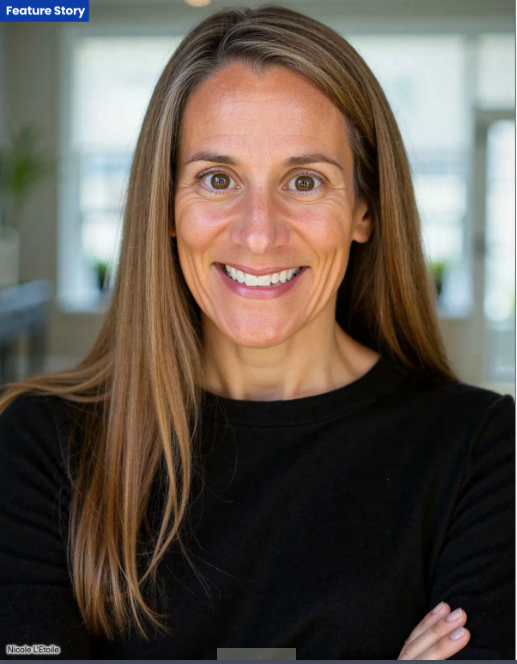
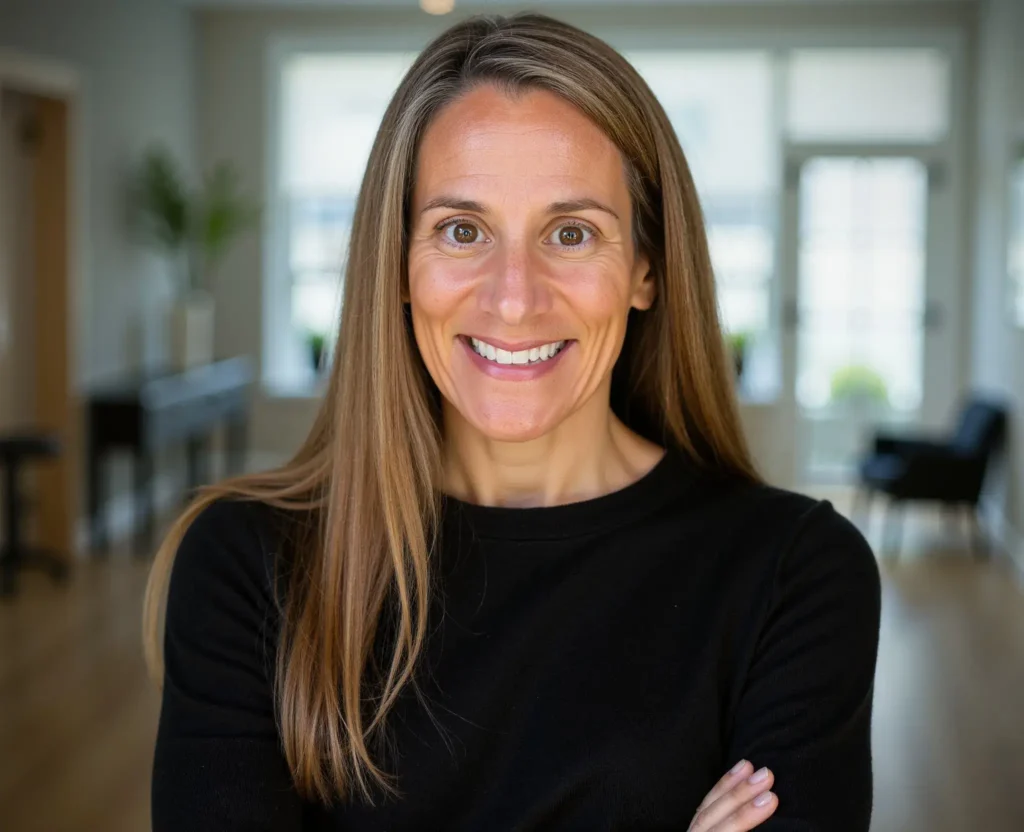
When Nicole L’Etoile prepared to lead a session at a national accessibility conference in Denver in November 2025, the plan seemed simple. L’Etoile would give participants a number to log in to the platform. As she imagined handing out numbered slips of paper, she paused.
“It’s an accessibility conference,” she thought. “What if someone in the room is blind?”
The moment lasted only a few seconds, but it reflected years of work. It showed a transformation from a high school principal focused on discipline and attendance to a leader in inclusive digital design.
Digital accessibility plays a critical role as education and training move online. Many people rely on tools like screen readers, captions and keyboard navigation, including people who are blind, deaf or have learning differences that affect how they read, listen or interact with digital content.
Yet the web still contains barriers to access. L’Etoile’s experience shows how educators can design more accessible content once they understand what access truly requires.
From Teacher to Reluctant Gatekeeper
L’Etoile did not start her career with accessibility in mind. In the mid-2000s, she taught high school web design and computer science in a computer lab, helping students learn the basics of building simple websites and creating content online.
“I liked teaching web design and helping students,” she said. “But it felt like a job.”
L’Etoile taught her students to add written descriptions to images, but she did so without understanding who those descriptions were for or why they mattered. At the time, it was simply a rule she followed.
“Back in 2006, you added these descriptions because everyone said to do it,” she said. “But I didn’t know why.”
Her understanding began to evolve in 2012 as she moved into instructional coaching, professional development and eventually a school principal role. In these roles, she saw how digital courses were built and how easily they could leave learners out.
That gradual shift later brought accessibility to the center of her work. In 2021, she took a job funded by a federal and state grant as an instructional designer and a learning management system administrator. For the first time, she was responsible for reviewing every course her team created to check whether learners with different abilities could use the content.
“Once I left the school system, there was more of a feeling of contributing to something good,” she said. “You could see the positive ripple effect of the work.”
WebAIM, a long-standing accessibility organization at Utah State University, trained her on standards, testing and common barriers learners face. What began as a technical assignment soon became personal.
“I didn’t want to be the accessibility police,” she said. “I wanted to help people build things right from the start.”
That mindset pushed her beyond auditing and into training.
In 2020, she registered her consulting business, L’Etoile Education, while still working full time. For several years, she spent evenings and weekends training teams, reviewing courses and helping clients make digital learning easier to use.
“It feels good for both people,” she said. “The person receiving and the person giving. You’re opening opportunities and opening the door.”
A Shift Toward Training and Support
By late 2023, she decided to pursue consulting full-time, fully aware of the risks. “It’s always scary to go on your own,” she said.
The move allowed her to focus on the work she had been building for years.
Since devoting her time to her consulting business, L’Etoile Education has grown immensely. Her clients now include universities, government agencies, nonprofits and private companies. Sometimes she audits full learning platforms such as Brightspace or Canvas. Other times, she reviews single courses or trains staff on accessibility standards.
Her work, she said, is “part evaluation and part training.”
“There are a lot of criteria,” she said. “But it is also very human. We are looking at how actual people perceive something.”
She has seen how challenging accessibility can be, even for experts. At one conference, she listened to a veteran accessibility expert admit she still learns new things every year.
“You get the basics and think, ‘I’ve got this,’ and then you realize there is still so much to learn,” she said.
Helping People Rethink What Counts as Good Instruction
Not all accessibility problems come from computer code or page layout. Some begin with habits and preferences that designers repeat without realizing they may block certain learners.
One common example is the drag and drop interaction. This is when a learner clicks on an item, holds it and moves it across the screen to place it in the correct spot, such as matching words to images or sorting answers into boxes. Many designers enjoy using it, but it is hard to make it accessible. Even with careful work, standards require an equal alternative for people who cannot use a mouse.
Her strategy is to ask a simple question.
“Who are you OK excluding?”
The question often makes people stop and think. Most designers do not want to exclude anyone. They simply have not thought about the impact.
“I’m not saying they are wrong,” she said. “I’m trying to help them think differently about the choices they make.”
Teaching, Empathy and Universal Design
Her teaching background continues to influence her work. In the classroom, she focused on project based learning and gave students multiple ways to demonstrate what they knew. The goal was not just completion, but understanding.
When she became a principal, her role shifted from teaching students to supporting teachers. She learned how to coach adults, deliver feedback and guide growth without shutting people down. That experience shaped how she approaches accessibility today, not as a checklist, but as a process that supports learning.
“Empathy in design means understanding that not everyone learns the same way,” she said.
A course that contains only long reading passages may shut out people with dyslexia, attention related disabilities or those who learn better through audio or visuals. When a student told her a module felt too text heavy, she redesigned it with more visuals and interactive elements.
“Accepting that your design is not perfect is part of empathy too,” she said.
Building a Global Community
One of the most rewarding parts of L’Etoile’s work is seeing the ripple effect.
Former students have earned accessibility certifications, taken on leadership roles or helped their own teams build more inclusive courses. Some learners with disabilities, including those who are legally blind, have used her course to expand their skills.
“We are seeing people take accessibility and run with it,” she said. “That is what keeps me going.”
She knows that confusion and resistance still exist, but she remains hopeful about the growing community working to make digital learning more inclusive.
“Accessibility is not about rules,” she said. “It is about opening doors.”

Jessica Allen is an instructional designer and accessibility specialist working at the intersection of technology and equity. She believes training should do more than deliver information. It should remove barriers and create meaningful access for all learners. She designs structured, engaging solutions grounded in learning science and human-centered design.