
By Christine E. Staple Ebanks, The Special Needs Mama Bear

Listen to this Article
The start of a new year invites me to pause and notice what matters most. It’s a quiet moment to reflect, to reset, and to ask what areas in my life need tending right now.
Each January, I find myself returning to the same question: What do I want to strengthen or create this year—for myself, for my family, and for the community of special needs moms walking this road with me?
This year, one theme kept surfacing for me: caring for our financial well-being.
As a mother to a young adult with disabilities (and three other young adult children), I’ve learned that our safety net matters. Sometimes it’s the only thing between us and the unknown.
Financial security is part of that safety net. It lets me breathe a little easier.
It’s not just about caring for my son, Nathan, who has cerebral palsy and needs one-to-one help with every part of daily living. It’s also about caring for myself: for my health, my stability, and the support and resources that allow me to rest and grow older with a measure of peace and dignity.
As I’m learning, even my other three children, now young adults, still need their mama from time to time.
I’ve come to see that when I’m protected and prepared, my family stands on a more secure ground. And that sense of safety ripples outward, touching every part of our lives.
A few months ago, I spoke with Linda, a mom I’ve known for years. Her 32-year-old son, who has developmental disabilities, still lives at home. She told me quietly, “I worry every day about what will happen to him if something happens to me. I don’t have the finances in place to get sick, let alone retire. I just don’t know how I’d look after him, or how he’d manage if I can’t.”
That conversation stayed with me. Because Linda’s question is one so many of us ask ourselves:
“What will happen to my child when I’m no longer here to care for them?”
Maybe this new year is an invitation to ask that question. Gently. Honestly. Without rushing for answers.
How ready do I feel, really? Not just for my child’s future, but for my own as well. Am I prepared for the unexpected? Do I have things in place if life changes suddenly? And if not, what is one small step I could take today to start building financial security for our future?
Financial Readiness Self-Check

Here are three simple questions to help you see where you are on your financial planning journey — whether you’re just starting or decades into special needs parenting:
- Do I have an up-to-date will or estate plan that clearly outlines who will care for my child and how my assets will be managed?
- Have I explored guardianship or set up a Special Needs Trust to protect my child’s financial future and eligibility for benefits?
- Do I have an emergency savings plan? Even a small one to cover unexpected expenses or transitions in care?
The Personal Side of Financial Security
Talking about money and financial security is deeply personal for me. It’s never been just about paying the bills. It’s not only about survival. For me, it’s about the kind of safety—emotional, physical, generational—that resources can make possible.
For years, while raising my son Nathan, who has cerebral palsy, I poured everything into caring for him and his siblings. I left my job so I could manage these responsibilities better: therapies, appointments, schooling, and all the unseen work that comes with being a special needs mom and a mom of multiple children.
My husband was always the one trying to have financial conversations with me. I’d nod, listen halfway, then change the subject. It wasn’t that I didn’t care — I just didn’t have the capacity for it.
I never liked calling it ‘lack,’ but we lived in what I think of as limited-money mode. Every dollar had a job before it even reached our hands. There were no cushions. No breathing room. No space to dream. Just the quiet math of survival.
Looking back, I see that I wasn’t really avoiding financial planning. I was avoiding the feelings those conversations brought up—the fear of not having enough, and the helplessness of not seeing how we ever could. It was that mix of fear and exhaustion, the constant worry about money, that made even the thought of planning for our financial future feel overwhelming.
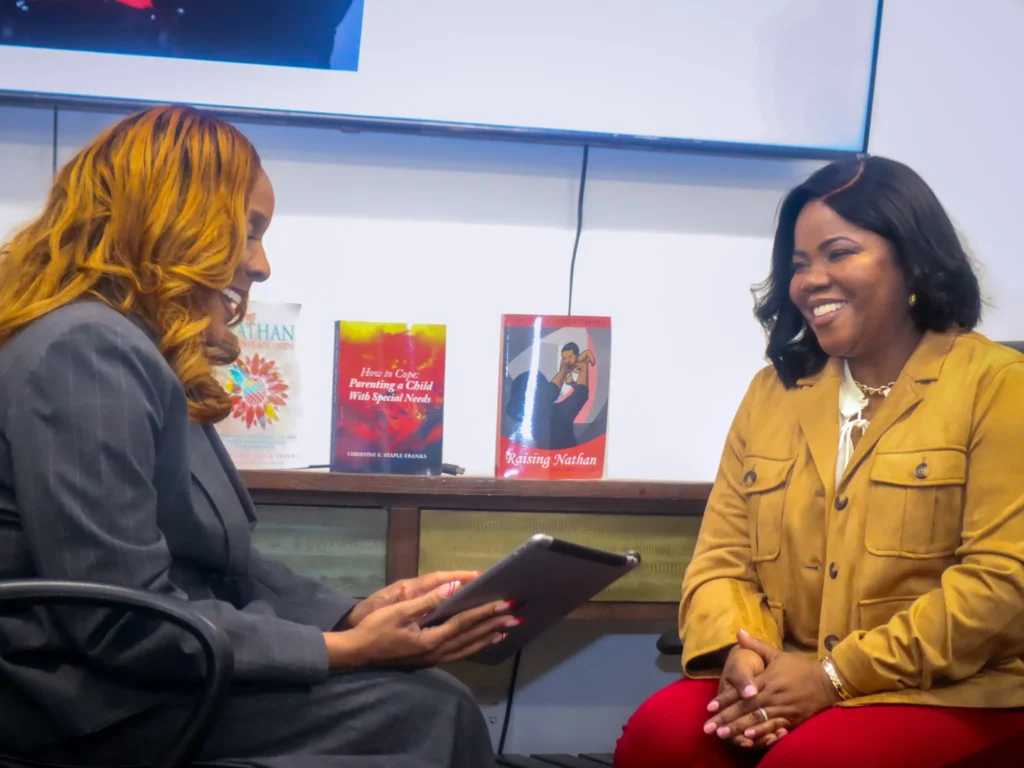
No one ever sat with us to help me imagine what steps I could take. We didn’t think we could afford a financial advisor. Wealth advisors felt like something for other people. So for years, I avoided it. I told myself I’d deal with it later.
But later comes faster than we think. The years slip by quietly. Before we know it, we’re older. The strength we once relied on starts to fade. The energy to play catch-up isn’t what it used to be.
That’s when the planning we put off comes back to face us. Not as a gentle reminder, but as a piercingly urgent question: Is it too late?
Last year, I decided to stop letting that fear lead me. I pushed past the overwhelm and finally sat down with a financial advisor for a simple check-in. It was just a conversation, but it shifted something in me. I realized it’s never too late to start. And it’s never too early, either.
Afterward, I felt lighter. Clearer. I had finally taken a small but meaningful step toward caring for my family’s future. That one step made me realize how many of us quietly carry this same weight—wanting security for our families but not always knowing where to begin.
Building a Financial Plan That Protects Both You and Your Child
I get it. I was that way for years. But I’ve learned that it’s not a conversation we can avoid forever. There are simple, doable steps we can take today to start creating a plan for the future.
Other questions I get asked a lot are: What if there just isn’t enough money? What am I planning with? Those are realities for many of us. Maybe you’re not working right now, or you’re between jobs. Or maybe you’re blessed with abundance but unsure where to begin. It doesn’t matter; we all need to ask ourselves some critical questions:
- What kind of future do I want for myself and my family?
- Do I want to live in my own home, have caregiving support, and manage daily expenses with ease?
- If I ever need care, will the resources be there?
- Will the legacy I leave for my child protect them — or create complications for them?
For families like mine, raising children with disabilities, these questions aren’t optional. They are part of our daily reality. Financial planning gives us a framework for thinking about these things.
For example, if you live in a country like the United States, where disability benefits are income-based, planning is crucial. Without the proper legal and financial steps, gifts, savings, or inheritances could unintentionally disqualify your child from the benefits they need.

I once heard of a family who, after leaving a moderate inheritance to their special needs child, found that it caused a loss of significant Medicaid benefits. That experience showed how important careful planning is. That’s where tools like a Special Needs Trust help. This trust lets you leave money or property for your child without affecting their eligibility for government programs. This way, what you provide truly helps them instead of creating new problems.
Learning about these tools and how they fit our family’s needs has been one of the most grounding steps I’ve taken toward long-term security.
What Does Thriving Truly Look Like for Us?
I’ve learned to start by asking what a thriving life could look like for me, for my child, for our family—not just to cope, not just to get by. My child’s disability is a lifelong journey. It grows with us. One day, my child will continue after I’m gone.
You might begin by taking a quiet moment to reflect on what a thriving life really means for you, your child, and your family.
When I look ahead and truly consider it, I ask myself: What would a good life look like for us?
And I encourage you to do the same — write it down.
• Your own stability.
• Your family’s financial security.
• The ability to provide what your child needs — therapies, care, experiences, and support.
• Access to caregiving help when you need it.
• Breathing room to rest, to enjoy life, to dream again.
That’s where I begin — and where you can begin, too.
When I shift my mindset from just surviving to seeking security, something changes. I start planning not out of fear, but out of love. No one else can design that life for me. It begins with daring to imagine it.
I shared this recently with a long-time friend. I told her about a workshop I attended where we were asked to write down three long-term goals for our lives. I froze up. I couldn’t think of more than one.
She smiled and said, “That’s because you’re living the life you designed all those years ago.”
And she was right. Nathan is thriving in a supportive day program and getting the therapies he needs. I have the help I need, and I’ve reentered my own life, traveling, connecting, and enjoying so much of what I once only dreamed about.
She stood as a witness to the vision I had shared with her years ago: the life I wanted to build. My thriving life.
That moment reminded me that thriving doesn’t happen by chance. It happens by choice. If you’re ready to take a small step toward your own thriving life, here are three gentle ways to begin.

Three Steps You Can Take Right Now
- Schedule a Financial Readiness Check-In: If you’re able, reach out to a financial advisor who understands disability planning. Even a short conversation can open the door to getting started.
- Write Your ‘Thriving Life’ Vision: Take a few quiet minutes this week to write down what thriving could look like for you and your child—emotionally, physically, and financially. Sometimes, putting it on paper brings a little clarity.
- Learn About Special Needs Trusts and Insurance: Spend a little time exploring these topics. Even a brief conversation with someone who understands can offer a bit of peace of mind.
For years, this financial piece was missing from my own planning. Since then, I’ve been working on it, and I cover these critical topics in financial and economic planning in my upcoming book, The Special Needs Mama Bear Playbook: Your Game Plan for Thriving Beyond Diagnosis, now in production and slated for release in the first half of 2026.


I’d love to hear from you. Share your thoughts, your fears, and your hopes. Connect with me on Facebook at The Special Needs Mama Bear, watch my short video on financial planning on YouTube (The Special Needs Mama Bear), or send me a note at
Until next time, I hope you’ll stay connected.
And remember, at The Special Needs Mama Bear, thriving grows from knowledge, courage, community, and action.