









Listen to this Article

For many people, migraines are still misunderstood as simply severe headaches. For Kat Curnow, owner of the clothing line Chronically Sarcastic, they are a disabling, unpredictable condition that reshapes every part of daily life. Her experience illustrates the reality of migraine disease as a dynamic disability, one that changes in severity, duration and impact from day to day.
Living with migraines means navigating a narrow window of control. Kat explains that if she does not take medication within 10 to 15 minutes of the onset, she can become completely incapacitated. At that point, she is confined to a dark room, unable to tolerate light, sound or smell. Eating and drinking can become impossible. Managing symptoms often involves using ice or heat packs while eliminating all external stimulation.
This unpredictability defines her condition. Some days begin without symptoms, only to deteriorate by midday. Other days start with a migraine already in progress. The variability extends to triggers as well. While some people can avoid known triggers such as food or alcohol, Kat’s migraines are heavily influenced by weather changes, particularly barometric pressure. Living in Canada, where temperatures and conditions can shift rapidly, makes this trigger unavoidable and frequent.
The impact on daily functioning is profound. Before receiving Botox treatments every three months, Kat describes being bedbound, experiencing a migraine every day. During that period, she struggled to eat, sleep, think and even communicate. While treatment has improved her functionality, it has not restored predictability. Every activity now requires preparation, from carrying medication at all times to planning around potential weather changes.
Work and independence have been significantly affected. Kat no longer works a traditional full-time job outside the home. Instead, she runs her own business because she cannot adhere to a fixed schedule. Mornings are particularly difficult, and her condition makes it impossible to guarantee consistent attendance or performance. She notes that finding employers who understand migraines as a legitimate disability remains a challenge, particularly because the condition is invisible.
This invisibility contributes to widespread misunderstanding. Kat describes symptoms that are rarely associated with migraines, including stroke-like effects such as slurred speech, difficulty finding words and an inability to speak. Brain fog is another major factor, affecting cognitive function to the point of forgetting simple words mid-sentence. Fatigue can be sudden and overwhelming, leaving only minutes to get to bed before losing the ability to function entirely.
Auras are another lesser-known symptom. For Kat, these appear as visual disturbances, spots or orb-like shapes in her peripheral vision which signal the onset of a migraine before the pain begins. However, even these warning signs are not always consistent. Migraine symptoms can vary from one episode to the next, requiring constant self-awareness and adaptation.
The condition extends beyond physical symptoms into emotional and social consequences. Kat describes the difficulty of maintaining relationships when cancellations are frequent and unavoidable. Missing events is not a matter of choice but of physical limitation. Despite this, misunderstandings can lead to strained friendships and lost connections.
Family life is also shaped by migraines. Kat’s daughter has grown up with a parent who is often unwell, requiring routines and plans that differ from those of her peers. Activities must be scheduled carefully, often around her husband’s availability, adding another layer of complexity to everyday life.
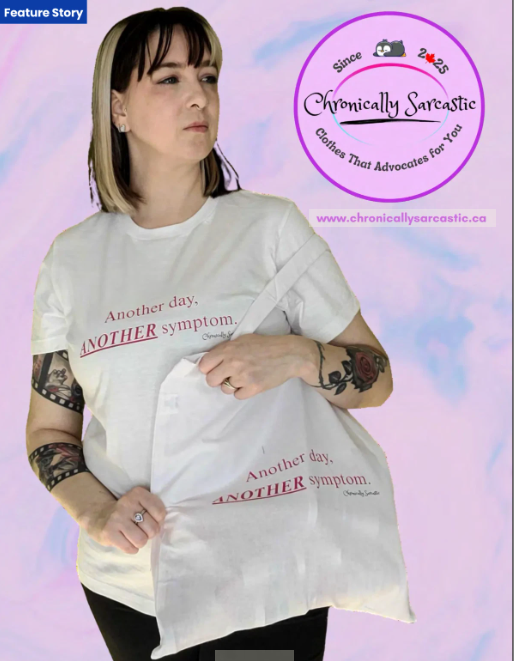
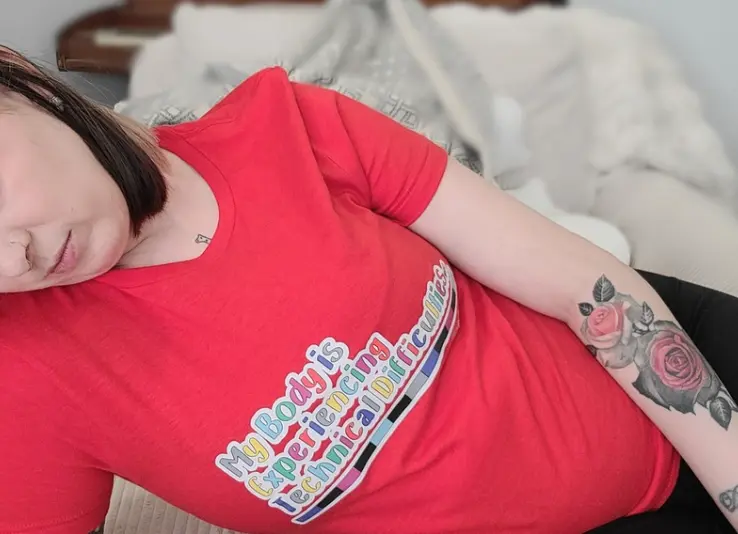
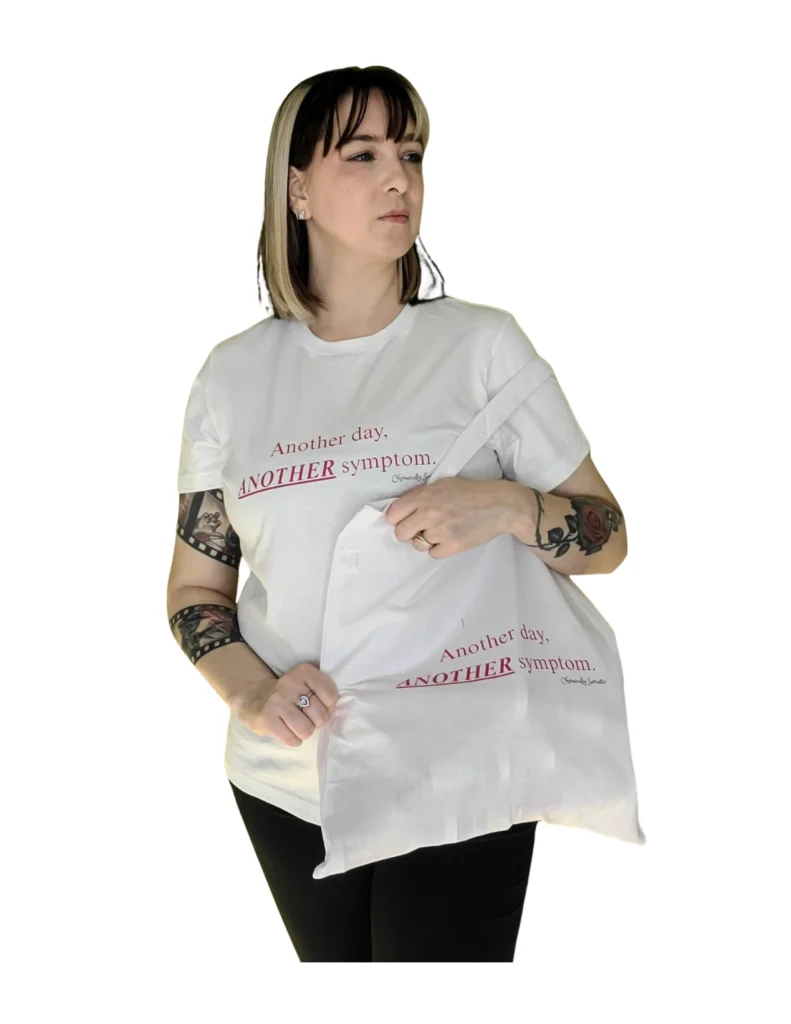
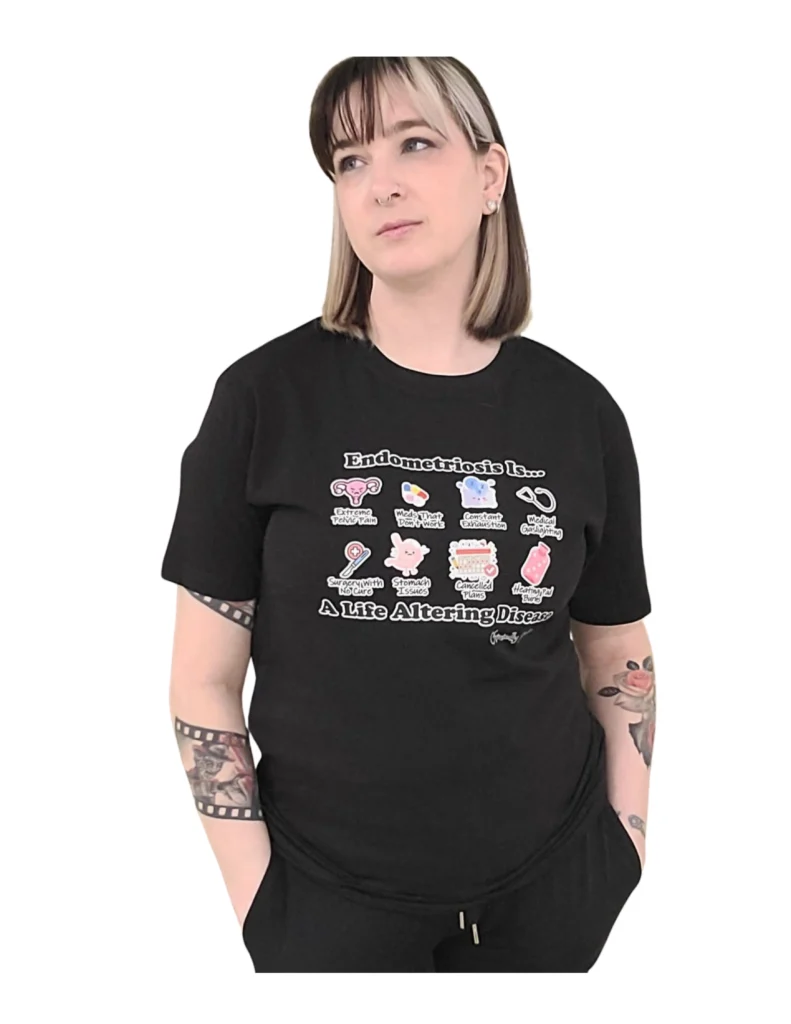
The transition away from traditional employment was both emotionally and logistically challenging. After being placed on short-term disability, Kat faced uncertainty about her ability to return to work. A toxic work environment compounded the physical strain, ultimately leading her specialist to advise against returning. This marked a turning point, prompting her to reconsider what her life and career could look like moving forward. From that reassessment came Chronically Sarcastic, a clothing line born out of necessity and lived experience. Kat created the brand not only to support herself financially but also to address a gap in representation. She found that existing products often failed to reflect the realities of living with chronic illness, particularly when created by people without that lived experience.
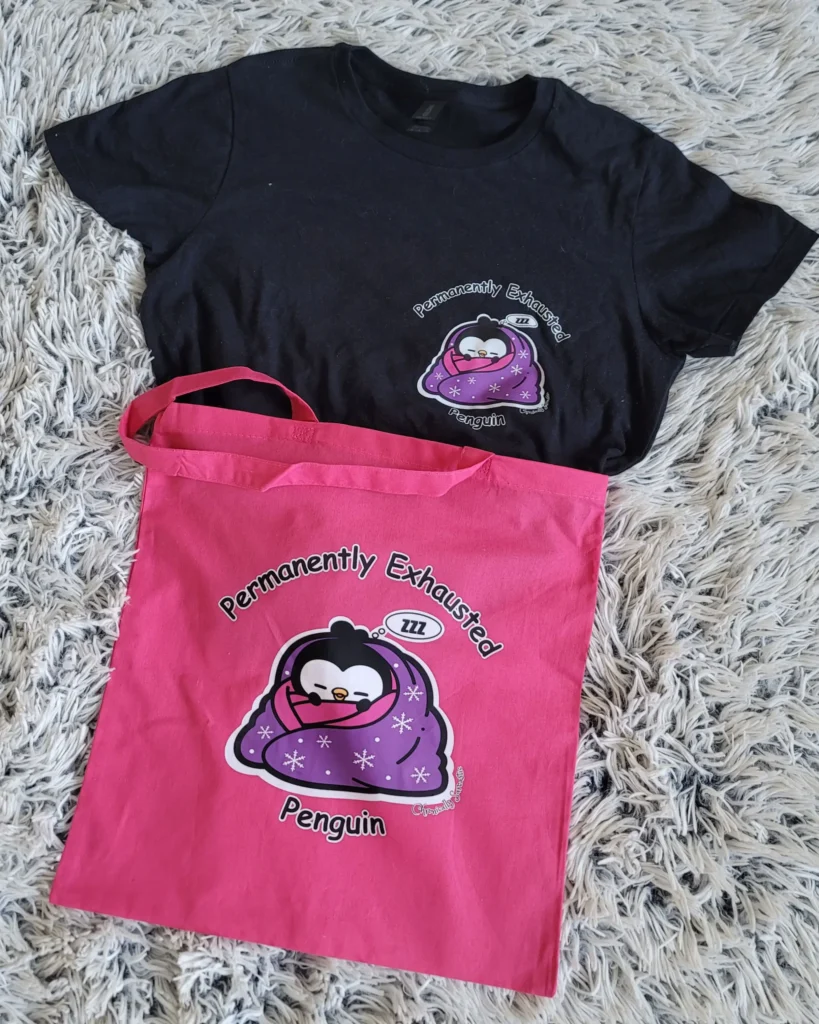
Humour and sarcasm became central to her approach. For Kat, humour is a coping mechanism, a way to regain some sense of control in a situation where control is limited. While some view this as minimizing the seriousness of disability, she sees it as a way to process and communicate her reality without being consumed by it.
The response from the chronic illness community has been overwhelmingly positive. Many people have expressed that her designs articulate feelings they struggle to communicate themselves. For individuals with invisible conditions, this form of expression reduces the burden of repeatedly explaining their experiences to others.
Kat also highlights the importance of community. Living with a chronic condition can be isolating, particularly when symptoms confine individuals to their homes. Connecting with others who share similar experiences provides validation and support that is often missing elsewhere. These communities offer a space where people can speak openly, including using humour that may not be understood outside that context.
Despite these efforts, migraines remain widely misunderstood and often minimized. Kat attributes this in part to broader issues in healthcare, particularly the historical dismissal of women’s health concerns. She also points to the misuse of language, where the term “migraine” is frequently applied to ordinary headaches, diminishing the severity of the condition.
For Kat, awareness alone is not enough to create meaningful change. She advocates for improved legislation, including workplace accommodations and policies that recognize the realities of dynamic disabilities. Current standards, such as limited sick days, do not reflect the needs of those living with chronic conditions.
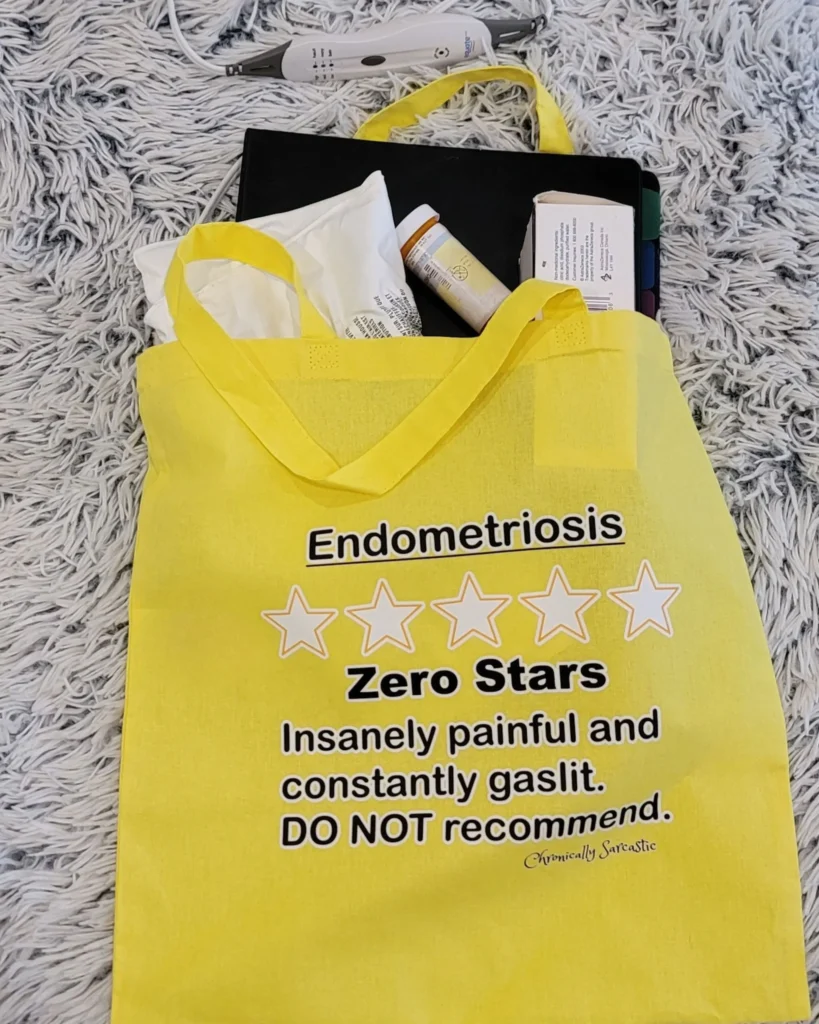
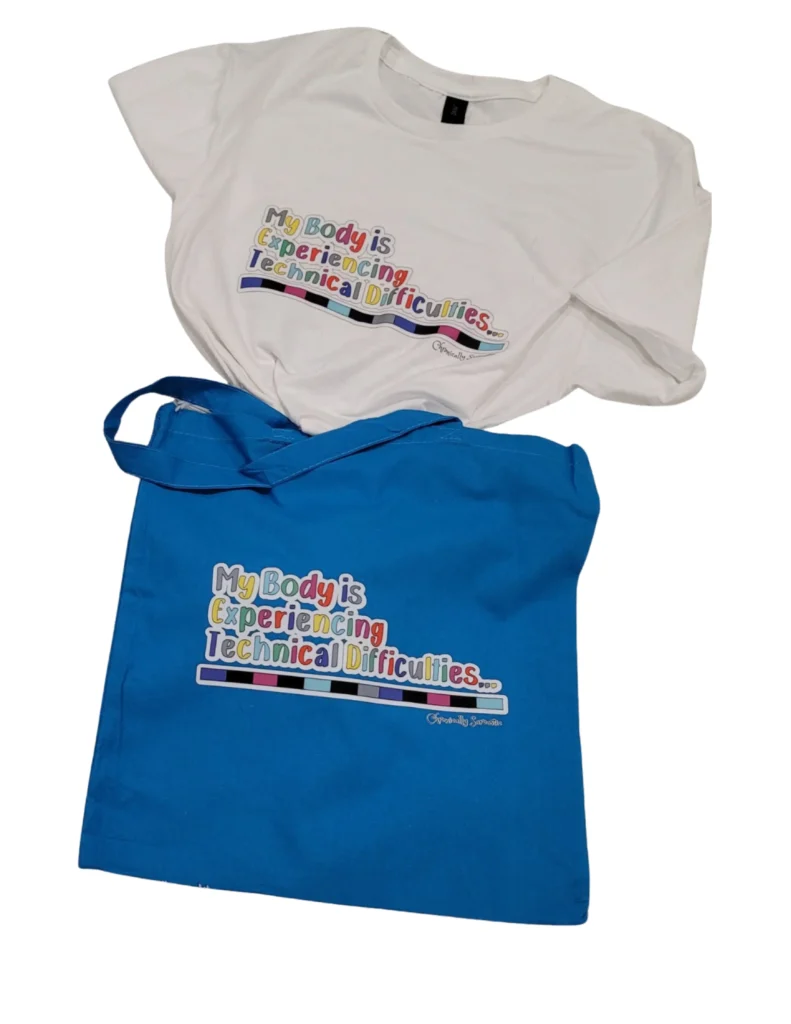
At its core, her message is about recognition and belief. Understanding migraines begins with acknowledging their impact and trusting those who live with them. Without that foundation, the condition remains invisible not just physically, but socially.
Through her advocacy and business, Kat continues to push for that recognition, one conversation, one design and one shared story at a time.

Kat Curnow and her daughter have published a children’s book about what it’s like growing up with a chronically ill parent and learning to slow down and adapt to life with chronic illness.
Get a copy of the book here.