
Listen to this Article
On a Chicago train, Melanie Isaacs watched a father and his young son approach her. The boy was excited, rocking, flapping his hands, eventually jumping up and down. He had seen the aquarium logo on her shirt.
When Isaacs asked the boy what his favourite part of the aquarium was, his father answered for him: “We can’t go to the aquarium. He has autism.”
That moment changed everything for Isaacs, who had been working at a Chicago aquarium while pursuing her master’s degree in marine biology. She redirected her thesis from cephalopod behaviours to tools that could support guests with autism at the aquarium. Years later, she is the founder and chief inclusion officer of Pal Experiences, a non-profit working to ensure that every family, regardless of disability, can participate fully in community life.
“I spent the rest of the commute just sad, thinking about this family that clearly wanted to go somewhere and felt like they couldn’t,” Isaacs says. “And I was thinking about what a massive word accessibility is.”
Pal, which stands for Partner to Assist with Learning, now operates more simply as a companion for families navigating the world. Isaacs grew up with an awareness of physical accommodations, as both of her uncles had muscular dystrophy. But the family on the train did not need a ramp. They needed something else altogether.
That distinction sits at the heart of Pal’s mission. Research Isaacs encountered early on found that 70 per cent of families affected by autism are socially isolated. People with disabilities make up the largest minority group in the world, and of that group, 70 per cent have invisible disabilities. These are disabilities that are not necessarily helped by a ramp but require a different kind of support.
“It’s not good for families, it’s not good for people with disabilities, it’s not good for our whole community,” Isaacs says.
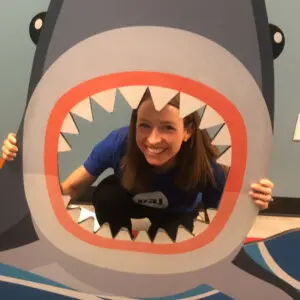
Pal partners with businesses including museums, ballparks and restaurants to create digital tools that address three of the most common barriers families face: anxiety over new experiences, sensory sensitivities, and challenges with communication.
For each partner venue, Pal produces a video social story, a behavioural therapy technique adapted from therapeutic settings. The video functions less like a promotional clip and more like a documentary, walking viewers through exactly what to expect from the parking lot to the popcorn smells, including crowd levels and suggested spots to take a break.
“Our videos are never commercials,” Isaacs says. “They show exactly what to expect. If a sensory element is really strong, we’re going to highlight that.”
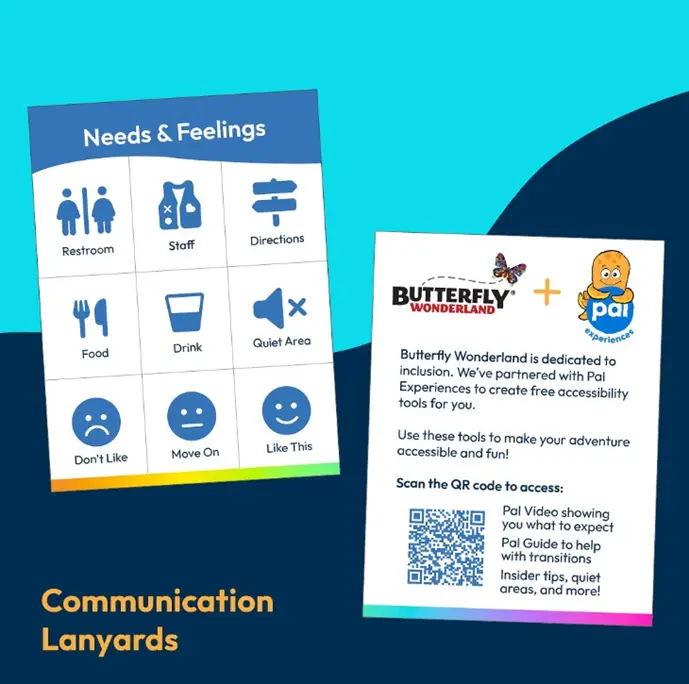
Pal also creates sensory scales and insider tips so families can plan before they leave the house. A digital guide reinforces the video using a behaviour chain, a technique that breaks a complex outing like white-water rafting into smaller, sequential steps. The guide also includes assistive communication tools for guests who are nonverbal or have limited speech, allowing them to quickly convey how they are feeling or what they need to staff members or family.
Importantly, Pal never asks venues to change anything about themselves. If the bathroom hand dryers are loud, Pal tells families in advance and suggests they bring paper towels. If a stadium is going to be overwhelmingly loud, families are advised to bring headphones and are directed to quieter areas nearby.
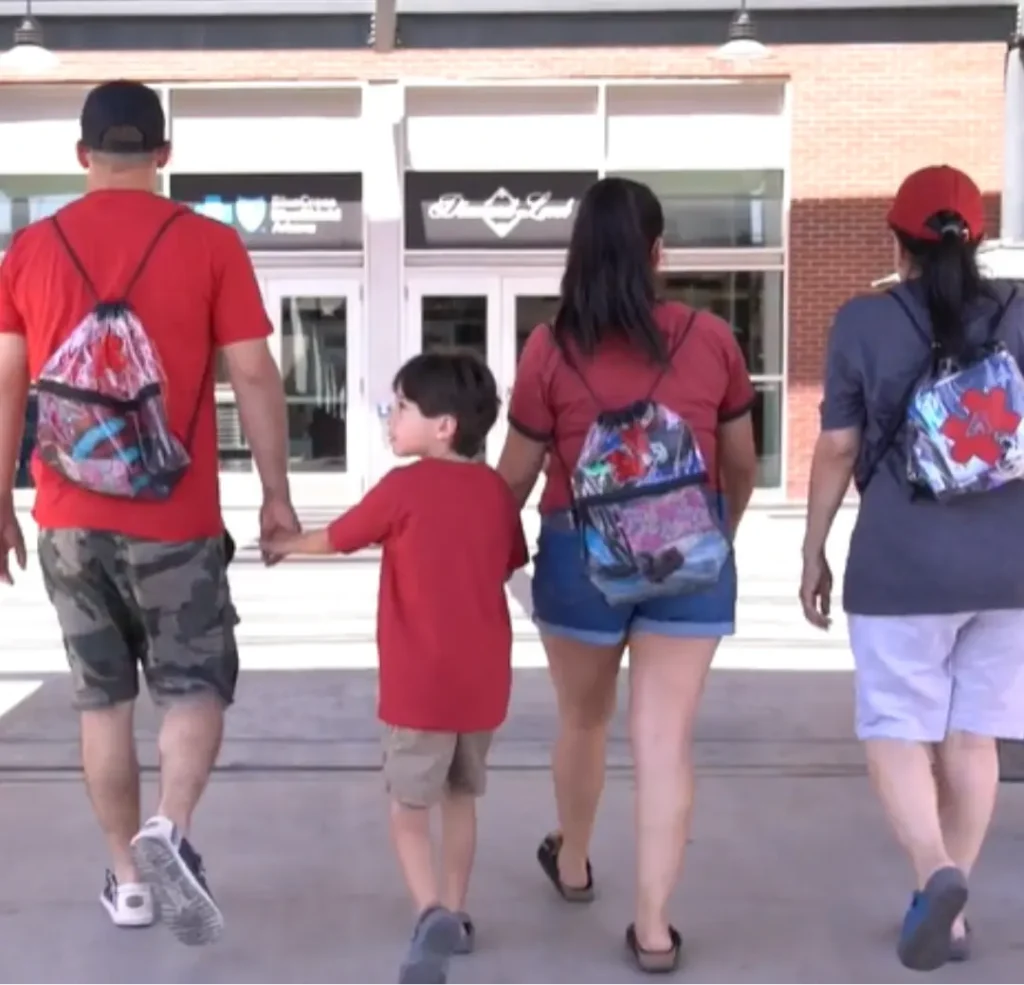
“The accommodation is really in telling families what to expect,” Isaacs says. “The power is in the information.”
One story speaks to what that preparation can make possible. A family was invited to an NBA game and declined, certain it would be too much. After working through Pal’s resources together and watching the video, they decided to try. Their daughter, who had limited vocabulary, stood up during the game and began shouting “defence” along with the rest of the crowd.
“It was a beautiful, inclusive moment,” Isaacs says. The family went on to become season ticket holders.
Staff training is another pillar of the Pal model. The organization works with venue employees to build awareness about sensory overload, explain how the tools work, and give staff practical ways to connect with guests with disabilities. Pal creates assistive communication lanyards for each partner, which tour guides can wear or include in sensory bags, offering a quick way to communicate with nonverbal guests.
After 12 years, Isaacs has seen the landscape shift. Where venues once connected her with security departments when she raised the topic of accessibility, many now have dedicated accessibility co-ordinators. The questions have changed, from concerns about liability to genuine interest in inclusion.
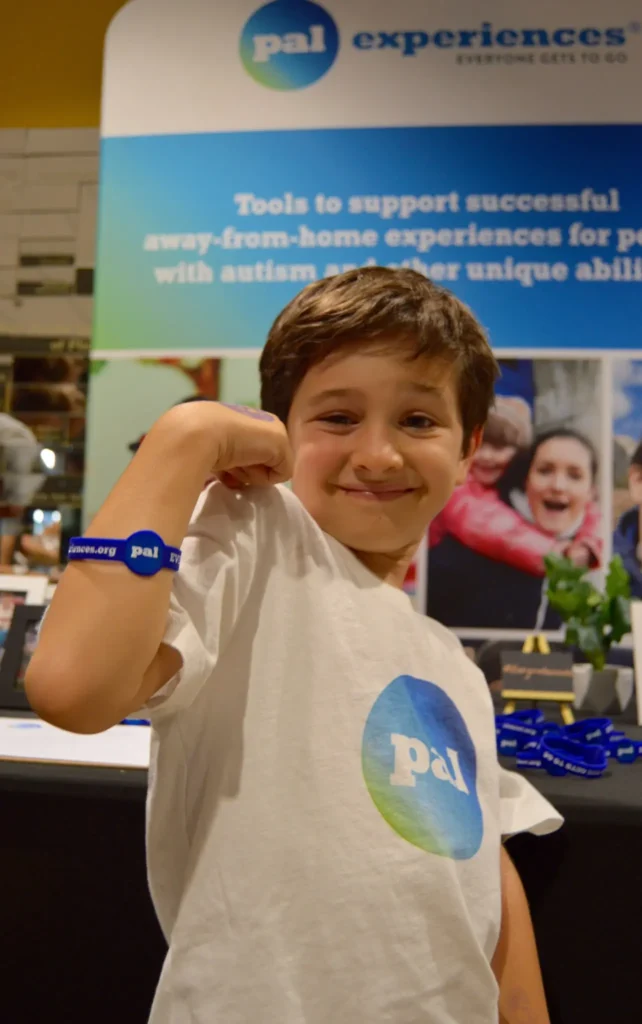
For Isaacs, the goal remains clear. True inclusion is not a special day set apart from everyone else. It is any family going anywhere, on any day that works for them, with what they need to be successful.
“We’re all there, sharing an experience, just using different supports that are good for us,” she says. “We want to get to that place where any family can go anywhere they want and be supported.”
The boy on that Chicago train never did answer what his favourite part of the aquarium was. But the question Isaacs carried home that day has since helped thousands of families find their way through the door.