
Editor’s note
By Debbie Austin
So much disability coverage focuses on extremes. Stories are often framed as either crisis or inspiration. What is usually missing is the middle, where most life actually happens. This issue lives in that space, looking at the everyday realities that shape disabled life beyond the spotlight.
Across these pages, you will find perspectives that come directly from lived experience. You will step briefly into a child’s world as they make sense of their surroundings on their own terms. You will encounter the experience of a student pushed out of an education system that was meant to support them, raising difficult questions about access, accountability and who gets to belong.
Cover story
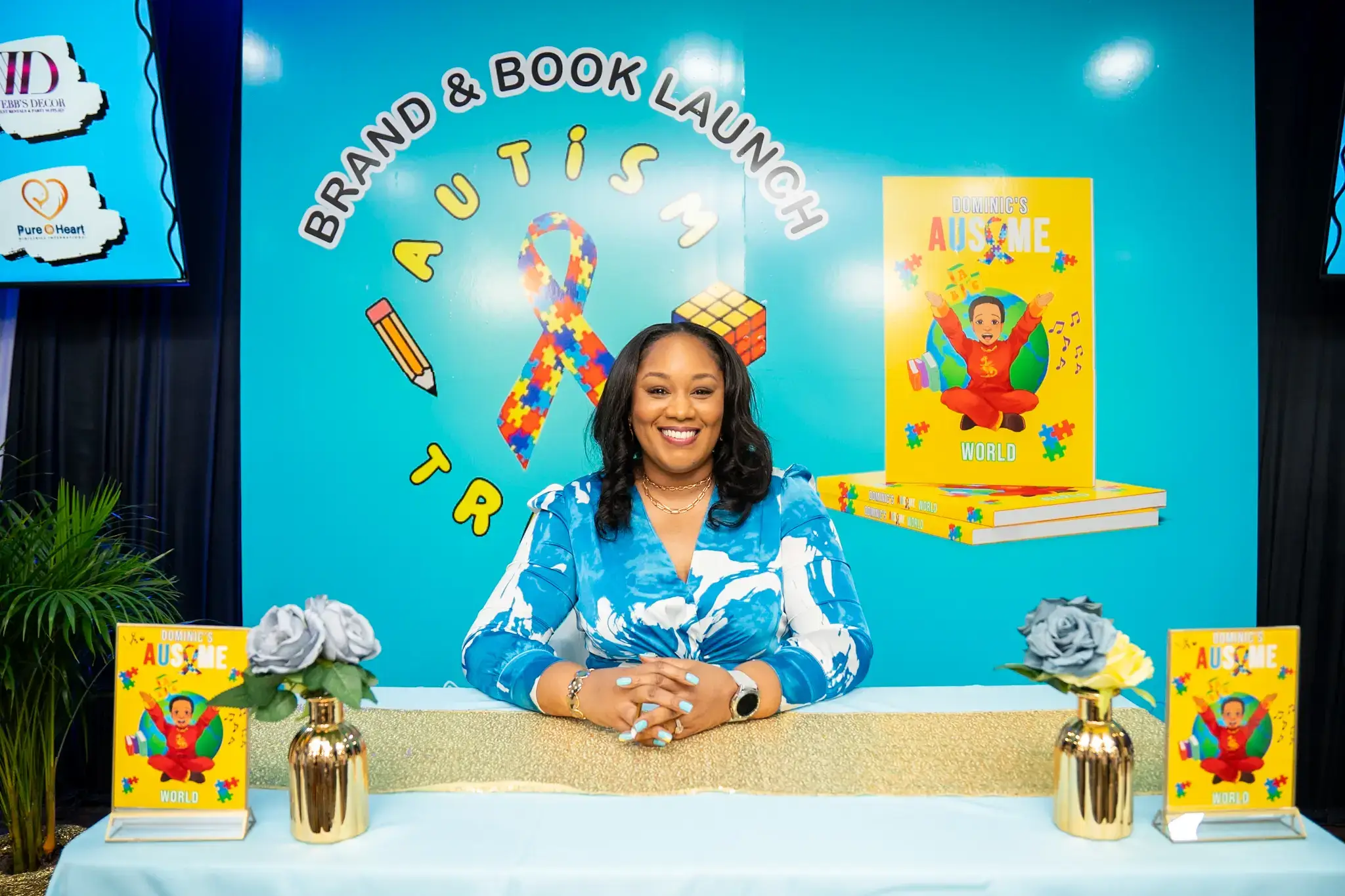
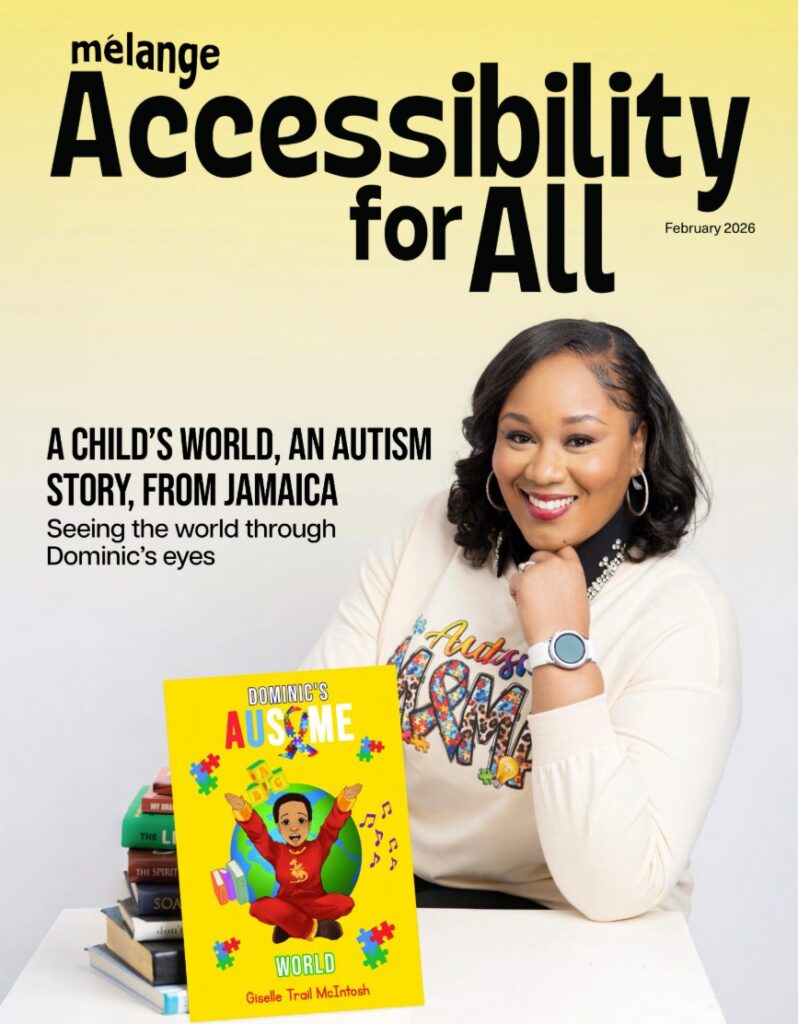
A Child’s World, an Autism Story, From Jamaica Seeing the world through Dominic’s eyes
Giselle Trail McIntosh’s children’s book about her son begins with sensation: the world is loud, grass feels good under bare feet, certain smells are comforting while some sounds are too much. Through simple language and illustration, the book invites the reader into the sensory landscape of a young autistic child named Dominic.
Based in Jamaica, McIntosh says the book was never meant to explain autism in clinical terms. It was written to show how her son experiences the world.
Author with a disability
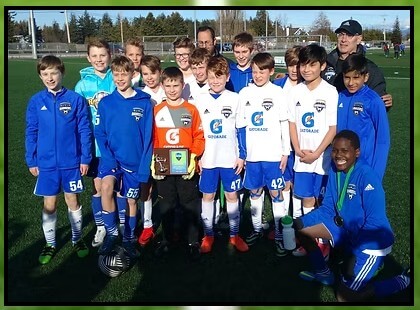
How Scott Martin lost his limbs but found his heart
By Devika Desai
Scott Martin had always been in the prime of his life.
“I had done everything I was supposed to do. I followed all the rules for a good life. I’d worked hard, eaten right and exercised regularly. I’d been good.”
The quote is a puncture to the heart from the first chapter of his book “Play from Your Heart”, an autobiographical tome narrating Martin’s near death shave after being infected with flesh-eating bacteria in 1993 and surviving, but at the cost of his hands and feet. A rising soccer coach, he was slated that day to speak at a Nike regional soccer camp before flying to Europe to train a group of college players before competing in the Holland Cup, the Dana Cup and the Gothia Cup in Sweden.
Dating with a Disability
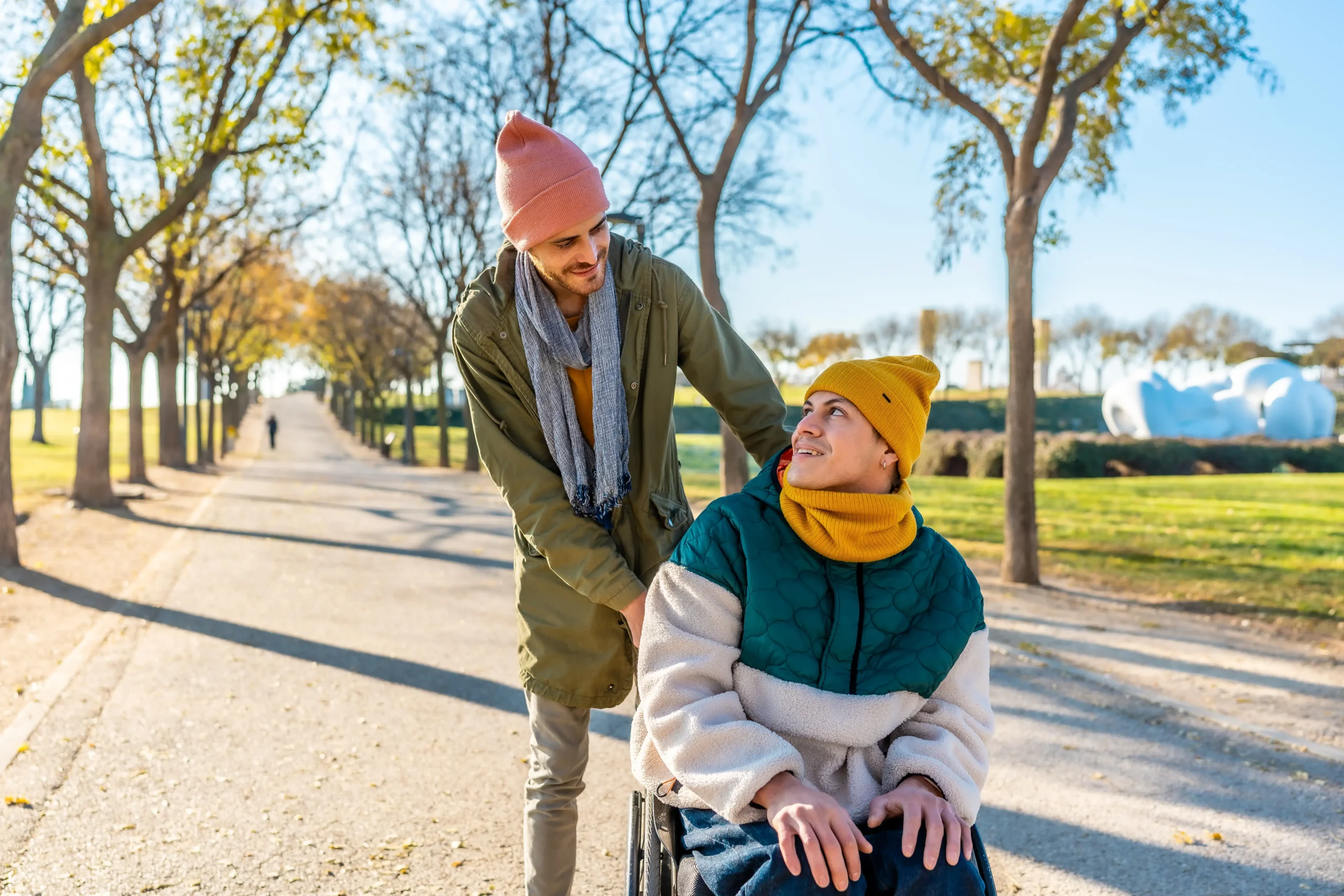
When Love Is Not Meant to Be Hidden
By Matthew “Matty” Medeiros
Ok, so here we go. Every so often, a love story shows up on screen that feels like it was written for the people who have spent their lives feeling unseen. Heated Rivalry is one of those stories.
The MASSIVE Crave/HBO Max hit series, based on Rachel Reid’s novels and adapted by Jacob Tierney for TV, follows two rival hockey players (Shane and Ilya) whose connection grows into something deeper and far more complicated than either of them expected. Even if you have not watched it yet, its heartfelt theme feels familiar to anyone who has ever loved while afraid of being fully known.

WHEN SOMEONE SLIPS PAST YOUR GUARD
By Thembelihle Ngcai
There is a particular kind of panic that sweeps through your body when someone slips past your guard. Not the common panic of attraction, not the flirtatious dizziness people write songs about — a deeper panic. The kind that belongs to those of us who have had to build our hearts inside fortresses. The kind familiar to disabled women who learned early that romance can wound you in ways far quieter, far more private, than the world imagines.
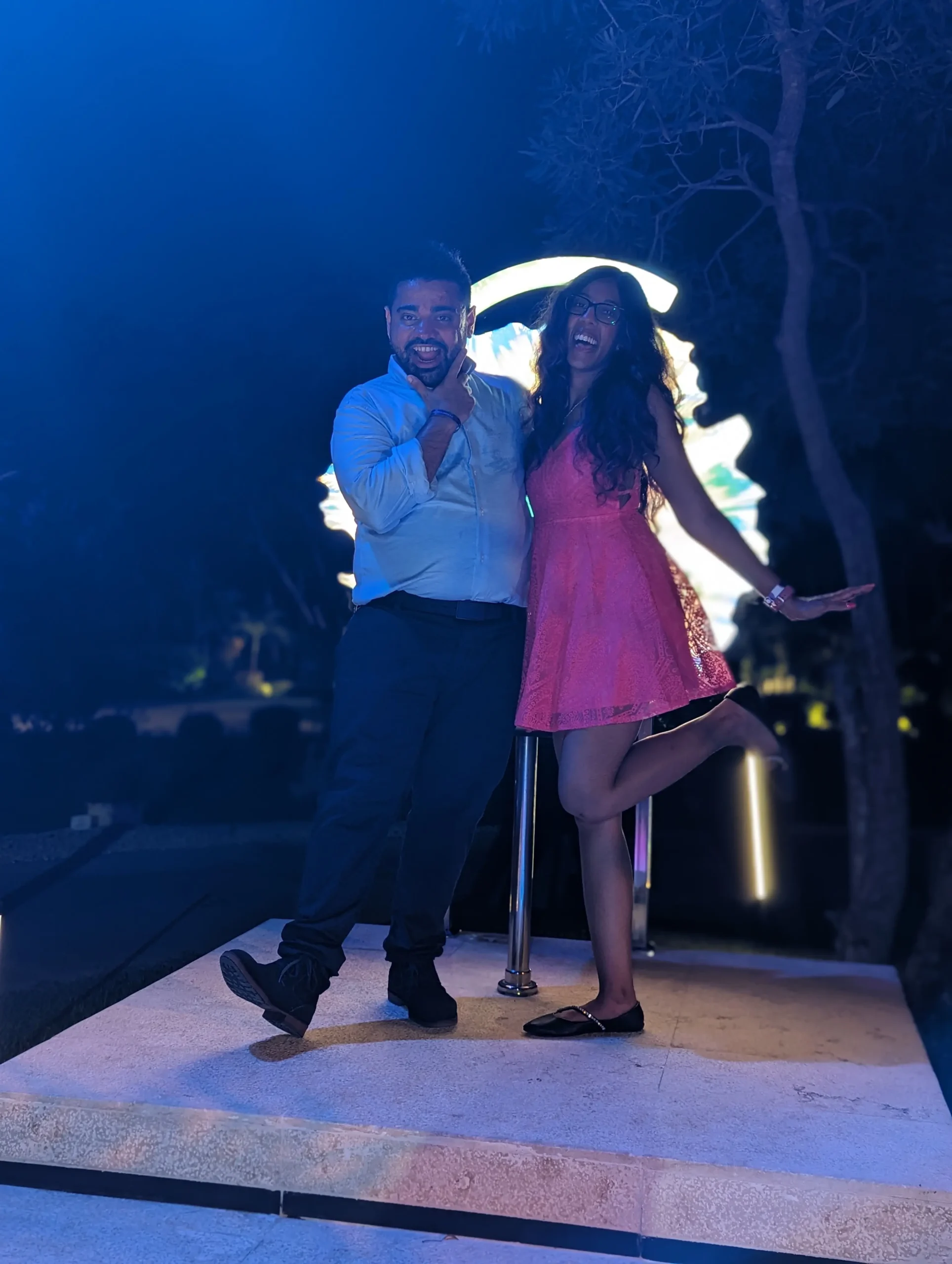
What interabled relationships teach us about communication
Lauren has an invisible muscle disorder and is in a relationship with someone who does not have a disability and had never dated a disabled partner before. Because her disability is not visible, communication became necessary early on. People cannot see what is happening in her body, so her capacity, limits and energy often have to be explained rather than assumed.
Deaf Insights
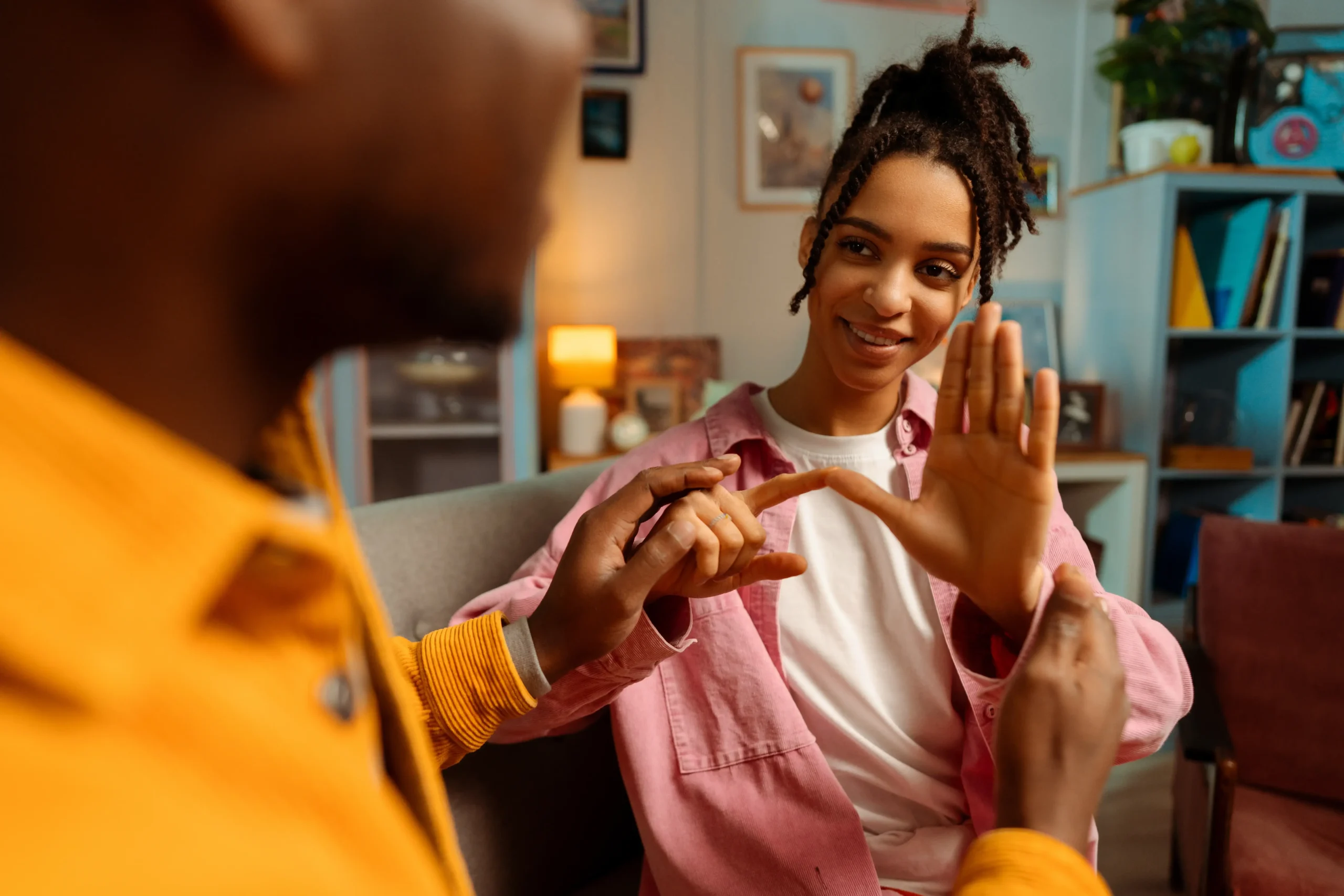
When Inclusion Is Not Enough
By Angela Lynn
Happy New Year 2026
It is hard to believe that 2025 has passed and that 2026 is already here, inviting us to live our everyday lives with greater intention.
Before we talk about inclusion within any specific community, it is important to begin with everyone. Inclusion and belonging are not limited to one identity, one culture, or one lived experience. They exist across workplaces, families, schools, relationships, and communities, shaping how people feel in every space they enter.
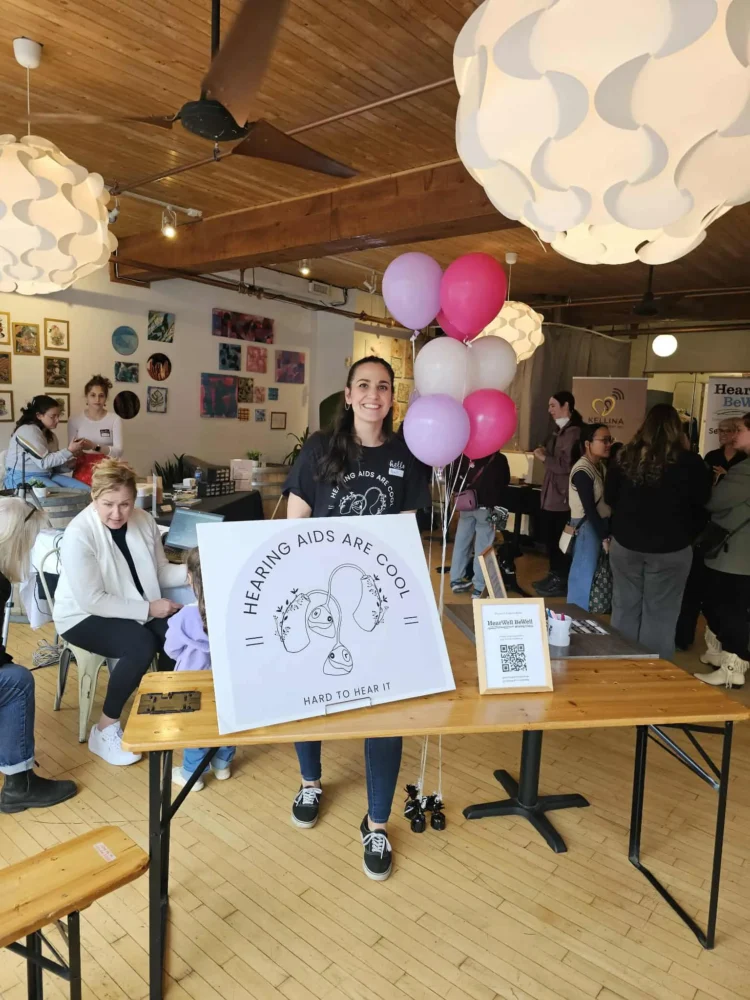
April Mitrik on hearing loss and the creation of Hard To Hear It
April Mitrik is the founder of Hard To Hear It, a community-driven platform focused on visibility, confidence and real-life support for people with hearing loss. Drawing from her own lived experience, Mitrik blends education, storytelling and community connection to challenge outdated perceptions of hearing loss and hearing aids, both online and in person.
Destination Spotlight
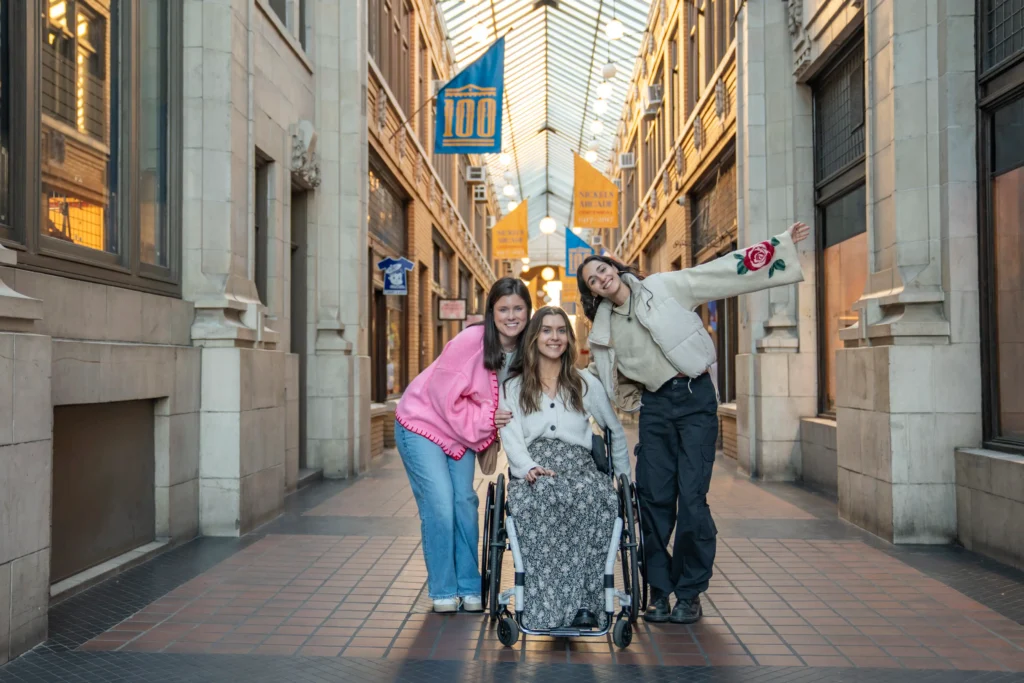
Ann Arbor, Michigan
Welcome to Ann Arbor, Michigan! You are invited to experience a mix of energy and charm in this bustling college town filled with art, entertainment, great food, nature, and vibrant local culture.
As the first Wheel the World Verified Destination in the state, visitors with physical, cognitive, or invisible disabilities can explore the Ann Arbor area with confidence. Through accessible attractions, inclusive outdoor activities, and sensory-friendly things to do
Feature Articles
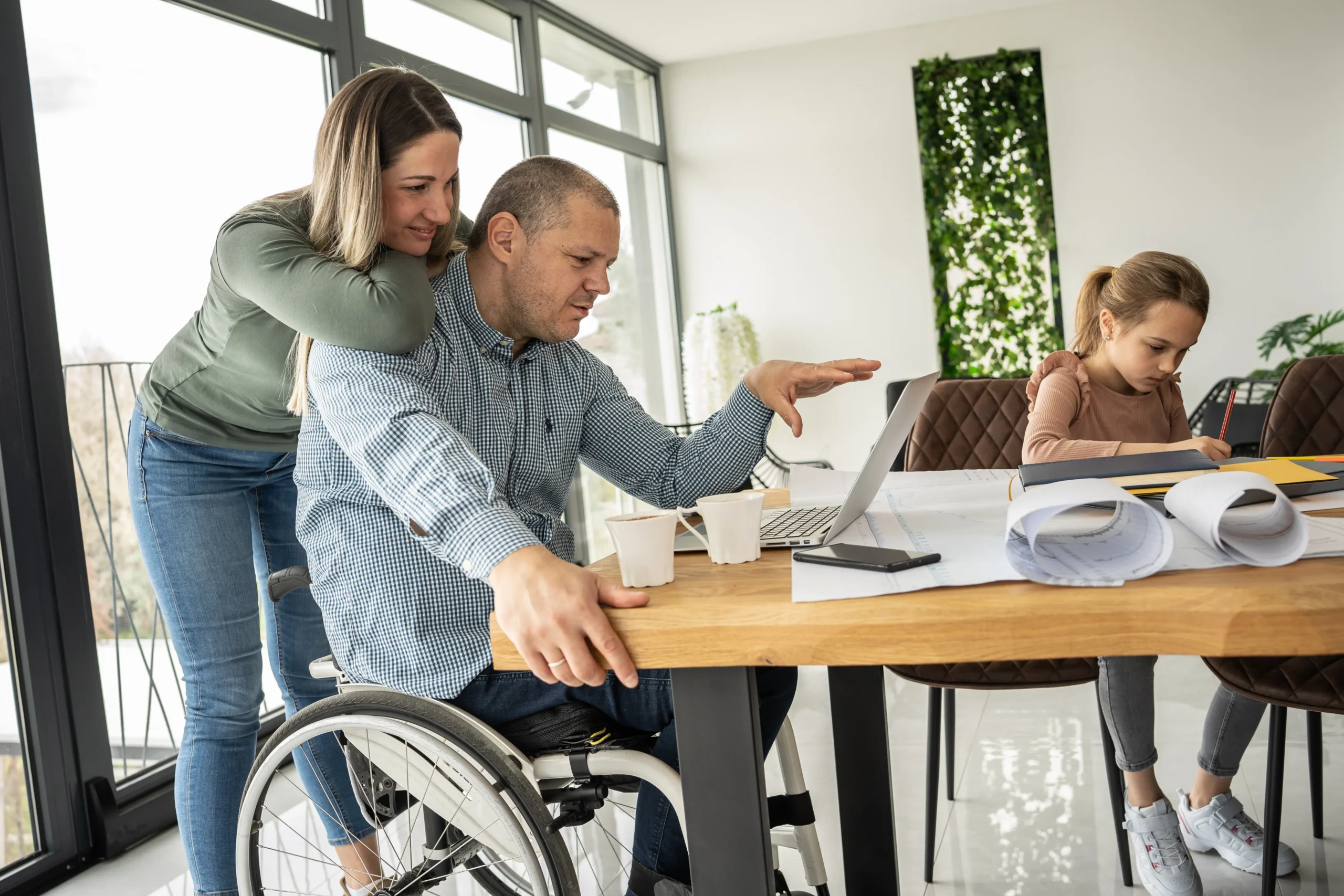
When Traditional Hustle Advice Fails: Building a Business as a Parent with a Disability
By Martin Block
Parents with disabilities face a unique mix of opportunity and friction when starting a small business. You may be managing mobility limits, chronic pain, sensory differences, or cognitive fatigue—often while raising children and handling unpredictable schedules. The good news: many of today’s small-business models are flexible by design, and with the right setup, you can build something that supports your family instead of draining it.
My son’s experience in a college system that failed to support his disability
By Dragana Zivic Ilic
I am telling this story because, in my experience, disability discrimination in the education system rarely looks dramatic at first. It does not usually show up as a clear rule being broken. It happens quietly, through official-sounding decisions, through supports that exist on paper but disappear when they are needed most, and through moments when disabled students can find themselves removed just before the finish line.
Kimberly Hill Ridley, New York’s first Chief Disability Officer, is changing how Government responds to disability
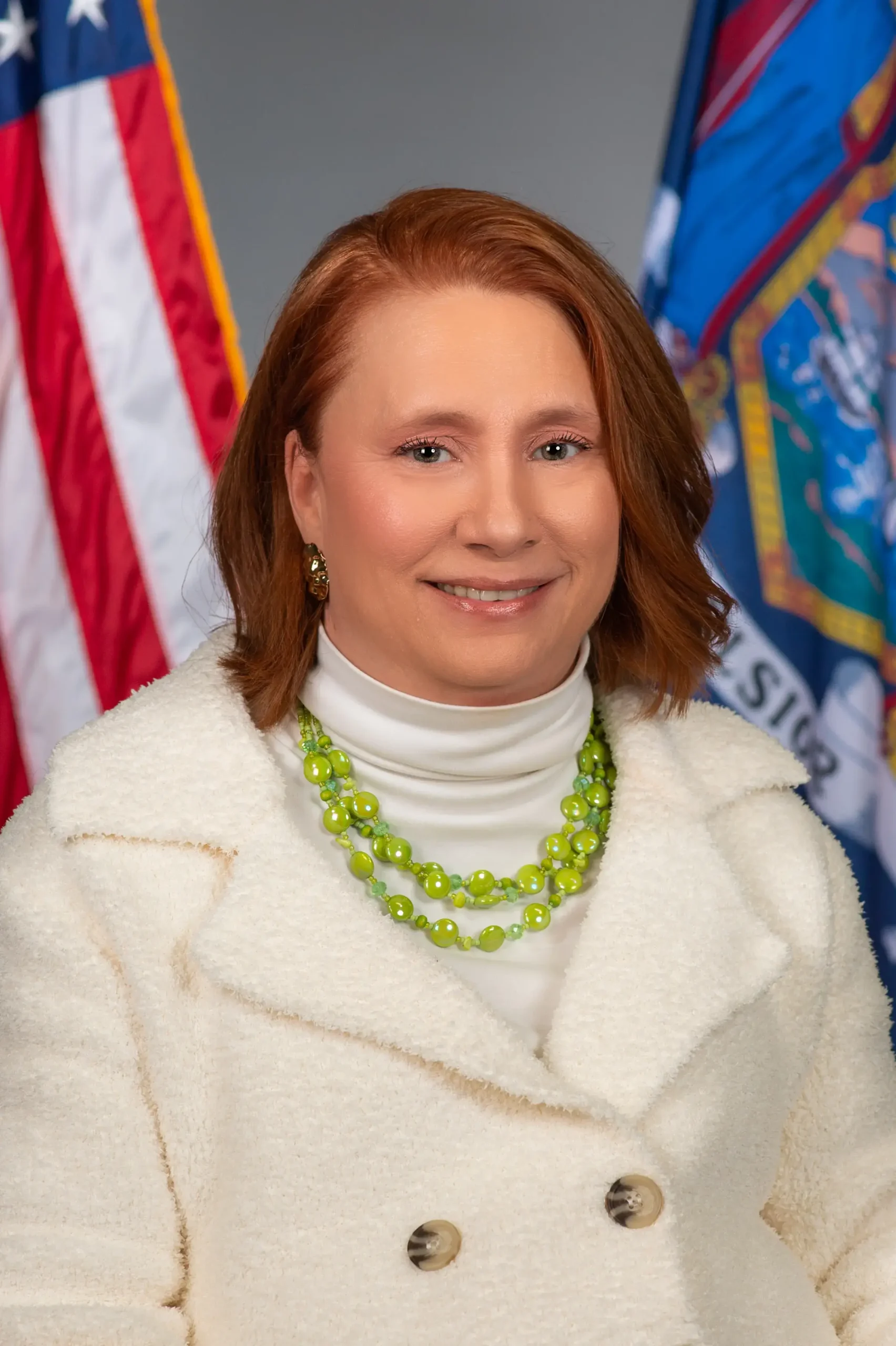
When New York created the role of Chief Disability Officer in 2022 it placed disability policy where it had rarely lived before, inside the Governor’s executive chamber with direct access to every agency under state control. Wheelchair user, Kimberly Hill Ridley stepped into that role with decades of institutional knowledge and lived experience shaped inside government hallways rather than outside them.
Ridley’s path began with public relations and journalism at Utica College of Syracuse University, now Utica University, followed by an early career in communications for the New York State Assembly.
Why Traditional Leases Don’t Work for Many People With Disabilities
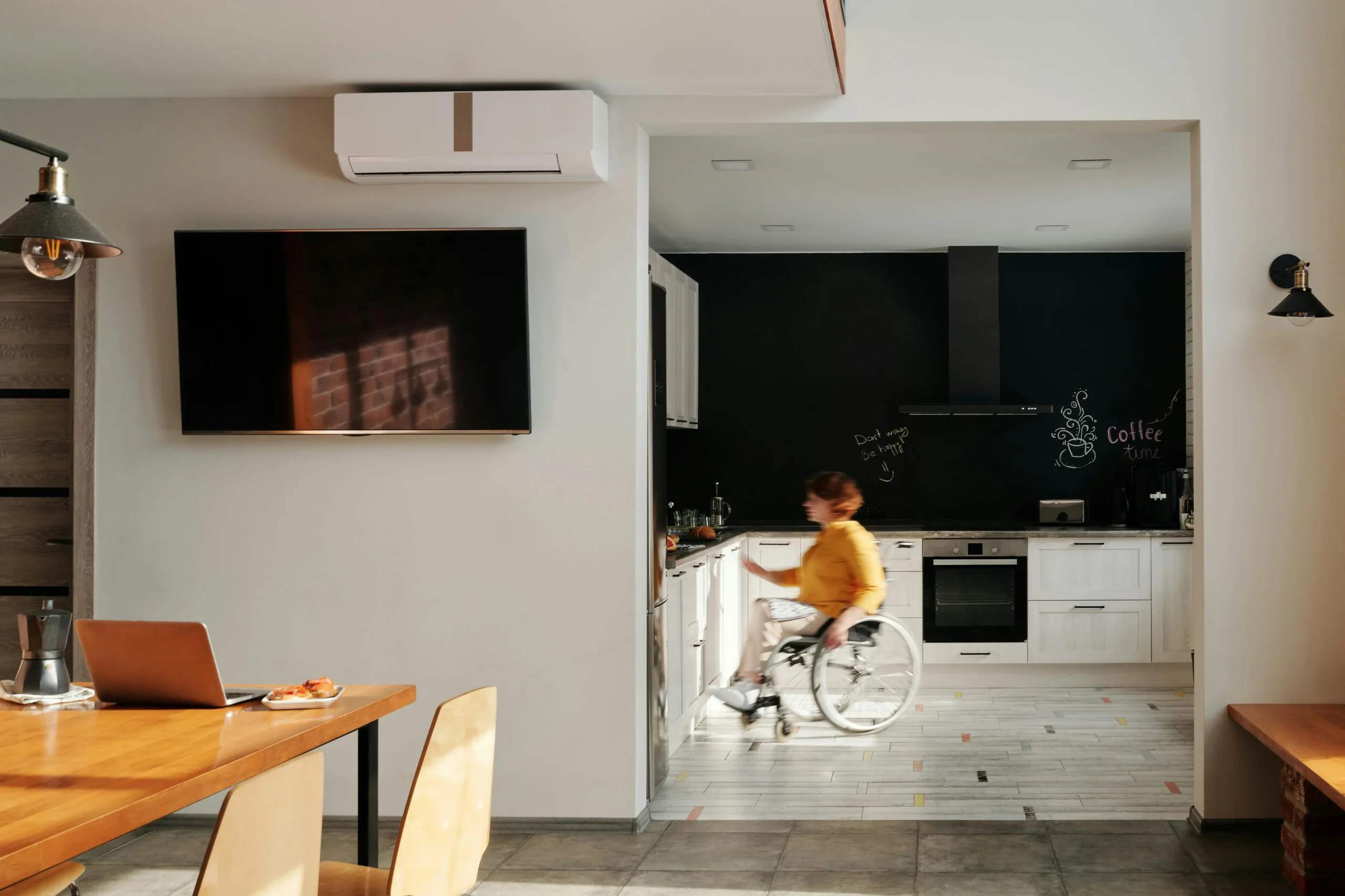
Imagine having to move. Not because you want to, but because you need a new physical environment to function, maybe even to survive. But your lease says you have to stay. It has twelve months left. That paperwork does not care about your body. This is a common problem. For many disabled people, a standard lease is a lockout.

Disability and Superstition in the Philippines
By Lucky Mae Fornoles
Superstition and disability in the Philippines are strongly interrelated because of the country’s traditional beliefs that often lead to stigma, neglect, and social exclusion of PWDs. These traditional Filipino beliefs are:
Disability is a punishment from God for the parents’ or a family member’s wrongdoing. Some Filipinos, often influenced by older religious interpretations, believe in this divine punishment resulting in shame and social isolation for the affected family, who may hide the disabled relative to avoid embarrassment.
How to customize everyday tools for those with limited dexterity
By Alicia Williams
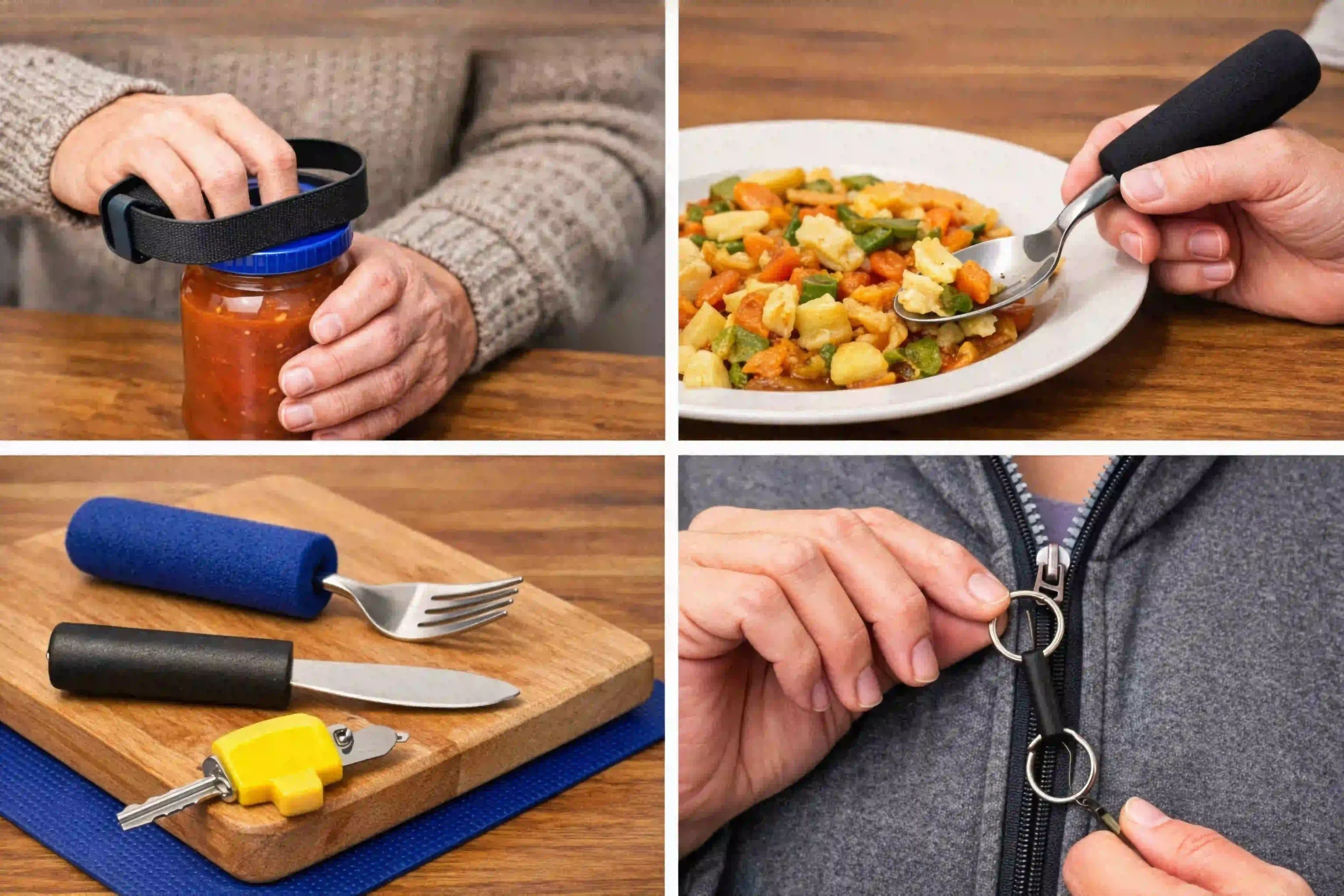
Dexterity affects how hands handle everyday objects. Many tools assume strong, steady hands that grip tightly and fine finger control. When hands do not work that way, simple tasks can take more effort than they should. Small changes using common household items can ease the strain and make daily tasks easier.
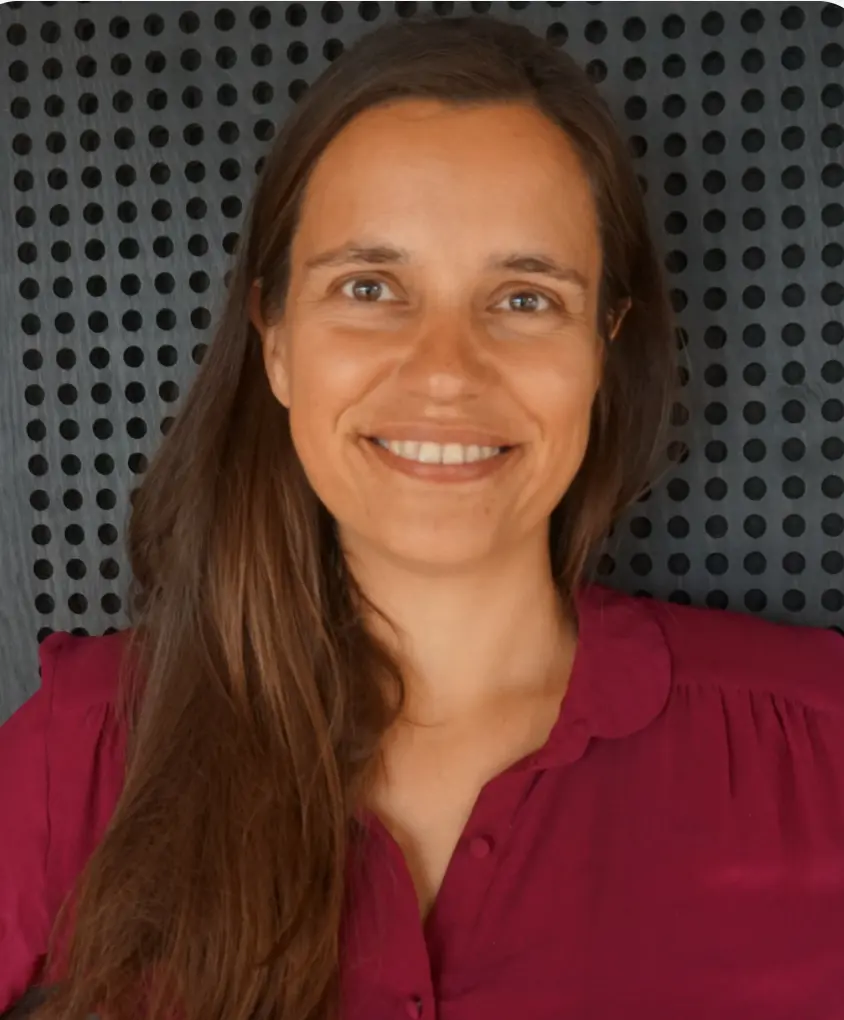
How Lise Pape designed the Path Finder to support walking with Parkinson’s
Lise Pape’s interest in mobility support arose from having a father with Parkinson’s disease. Watching her father live with the condition showed how medical treatment could feel limited in daily life. Medication sometimes helped, but benefits faded over time and side effects could include hallucinations that required further treatment. That experience left Pape frustrated and looking for a practical way to support her father’s daily function rather than focusing only on clinical approaches.

Ask Grandma expands accessibility in early learning through indigenous knowledge and language support
Accessibility does not only refer to physical features such as ramps or screen readers. It also includes access to communication, early learning and the supports that allow children and families to participate fully from the earliest stages of development.
The Ask Grandma app was designed to support early language development, but its impact could be much broader.
Families With Disabilities
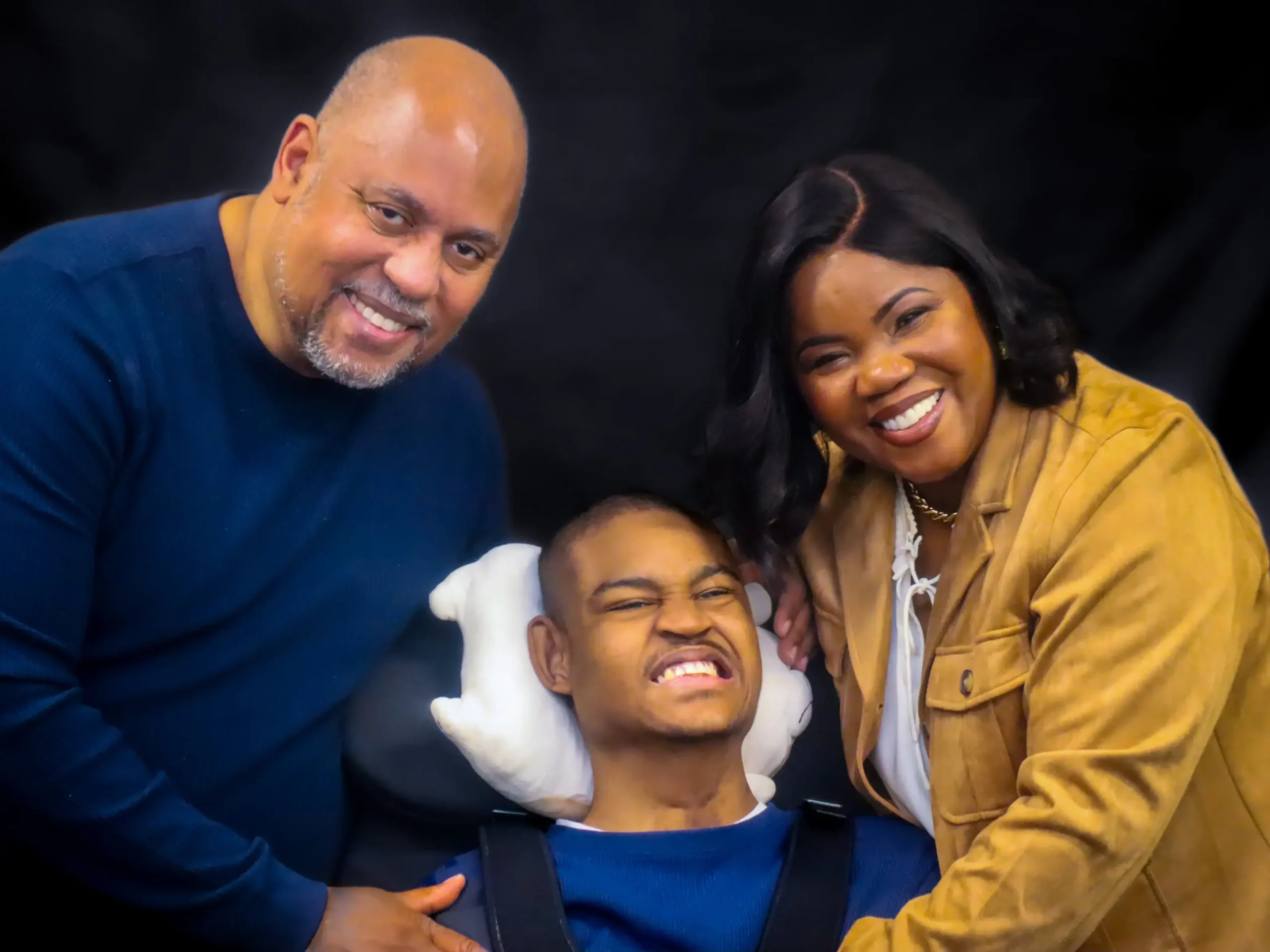
Tending to Our Financial Future: Why Now Is the Time for Special Needs Mamas to Act
By Christine E. Staple Ebanks, The Special Needs Mama Bear
The start of a new year invites me to pause and notice what matters most. It’s a quiet moment to reflect, to reset, and to ask what areas in my life need tending right now.
Each January, I find myself returning to the same question: What do I want to strengthen or create this year—for myself, for my family, and for the community of special needs moms walking this road with me?
This year, one theme kept surfacing for me: caring for our financial well-being.
As a mother to a young adult with disabilities (and three other young adult children), I’ve learned that our safety net matters. Sometimes it’s the only thing between us and the unknown.
Inclusive employment
Lisa Butler on inclusive employment in public service careers
When Lisa Butler joined the Ontario Public Service (OPS) in 2003, accessibility looked very different from what it does today. Over two decades later, she has experienced that shift from multiple vantage points, first as a new hire and now as a manager. Those experiences have given her a clear view of how inclusive employment systems function in day-to-day work and continue to shape how she approaches leadership, accommodation and team management.

Robert Ludke wants workplaces to stop treating disability like a side project
Robert Ludke does not frame disability inclusion as a feel-good initiative or a side program parked in human resources. He treats it as operational work that affects how organizations function day to day. That perspective runs through both consultancies he leads and through the examples he shares with executives who want results rather than slogans.
Technology
AVA your Accessibility Virtual Assistant
AVA (Accessibility Virtual Assistant) is an AI-powered accessibility solution designed specifically to help business owners welcome more guests. Created by South African, Tarryn Tomlinson, CEO of Liveable and Able2Travel, Ava helps businesses streamline accessibility retrofitting, improve guest experiences, and demonstrate measurable commitment to inclusion and sustainability.

OpenAI dominates, Google disappoints in new AI coding model accessibility benchmark
The AI Model Accessibility Checker, known as AIMAC, released its first round of results in January 2026. It is the first standardized benchmark designed to evaluate how AI coding models perform against accessibility requirements for people with disabilities. AIMAC is a joint project of the GAAD Foundation and ServiceNow. It was co-created by Joe Devon, chair of the GAAD Foundation, and Eamon McErlean, vice-president and global head of digital accessibility and globalization at ServiceNow. The benchmark is designed to give AI companies clear feedback and help organizations understand which AI coding models are more likely to support accessible digital products from the start.
Selected Reads
Smart content from trusted sources carefully chosen for you. Not our words, but ones worth sharing.

Dyslexic students have the right to read — and Manitoba has joined other provinces to address this
By Michael Baker
Disabled students continue to face barriers constructed and enforced by our schools. The United Nations Educational, Scientific and Cultural Organization estimates that, globally, children with disabilities are twice as likely to be denied access to education.
Students and their support networks, families, advocates and experts can no longer accept school systems that uphold inequality for the disabled community. Ableist barriers continue to impede the human rights of disabled students in Canada.
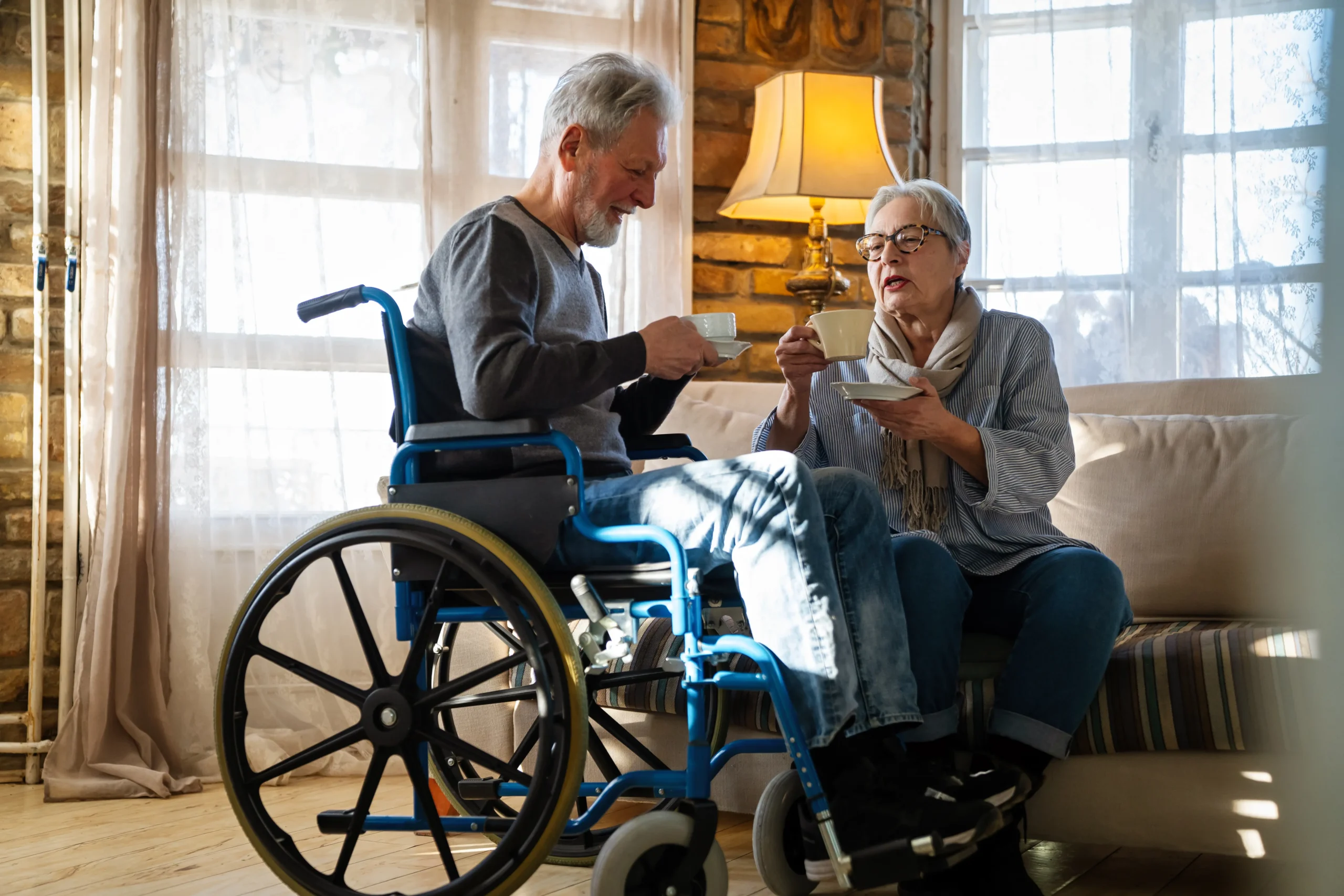
Wheelchair? Hearing Aids? Yes. ‘Disabled’? No Way.
In her house in Ypsilanti, Michigan, Barbara Meade said, “there are walkers and wheelchairs and oxygen and cannulas all over the place.”
Barbara, 82, has chronic obstructive pulmonary disease, so a portable oxygen tank accompanies her everywhere. Spinal stenosis limits her mobility, necessitating the walkers and wheelchairs and considerable help from her husband, Dennis, who serves as her primary caregiver.
Voices without limits
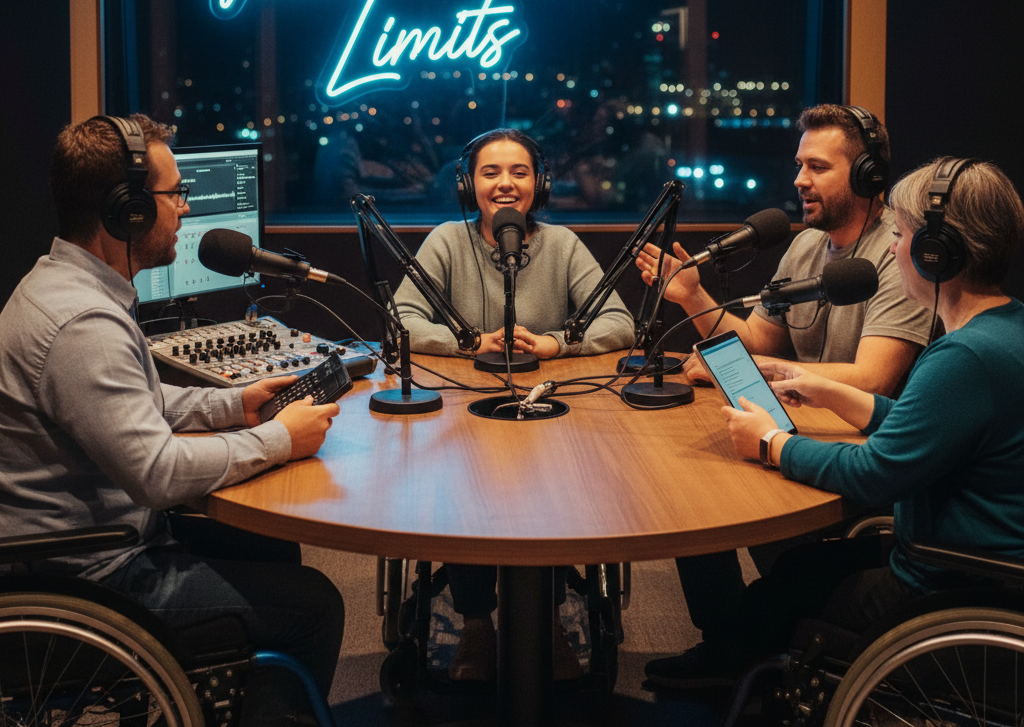
Spotlight on bloggers with disabilities
Natalie Hayden is a writer and advocate from the United States who lives with Crohn’s disease. Through her blog, Lights, Camera, Crohn’s, she shares candid reflections on life with inflammatory bowel disease, from diagnosis and treatment to motherhood, mental health, and advocacy.
Snippets from the wWW
Essential Disability News and Inclusion Stories

We’ve gathered the latest disability news, accessibility updates, and inclusion stories from trusted sources across the web. These curated links highlight the trends, rights issues, and lived experiences shaping the disability community today.