Editor’s note

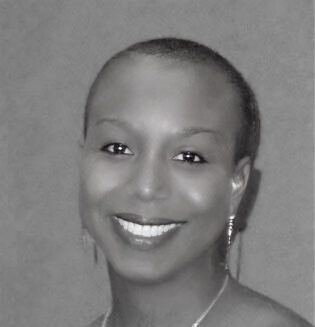
By Debbie Austin

This issue explores the many ways disability, advocacy and lived experience continue to reshape conversations around accessibility, inclusion and everyday life. Across every feature is a shared theme: people pushing industries, communities and public spaces to think differently about who belongs and how inclusion is experienced in practice.

Cover story

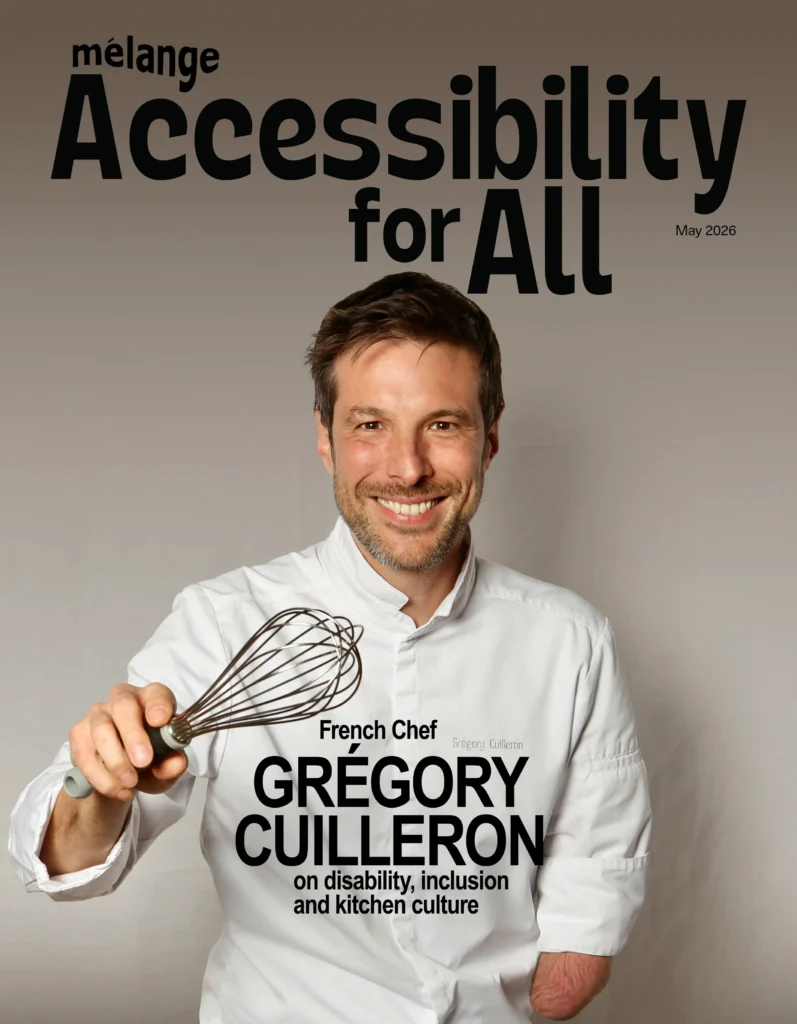
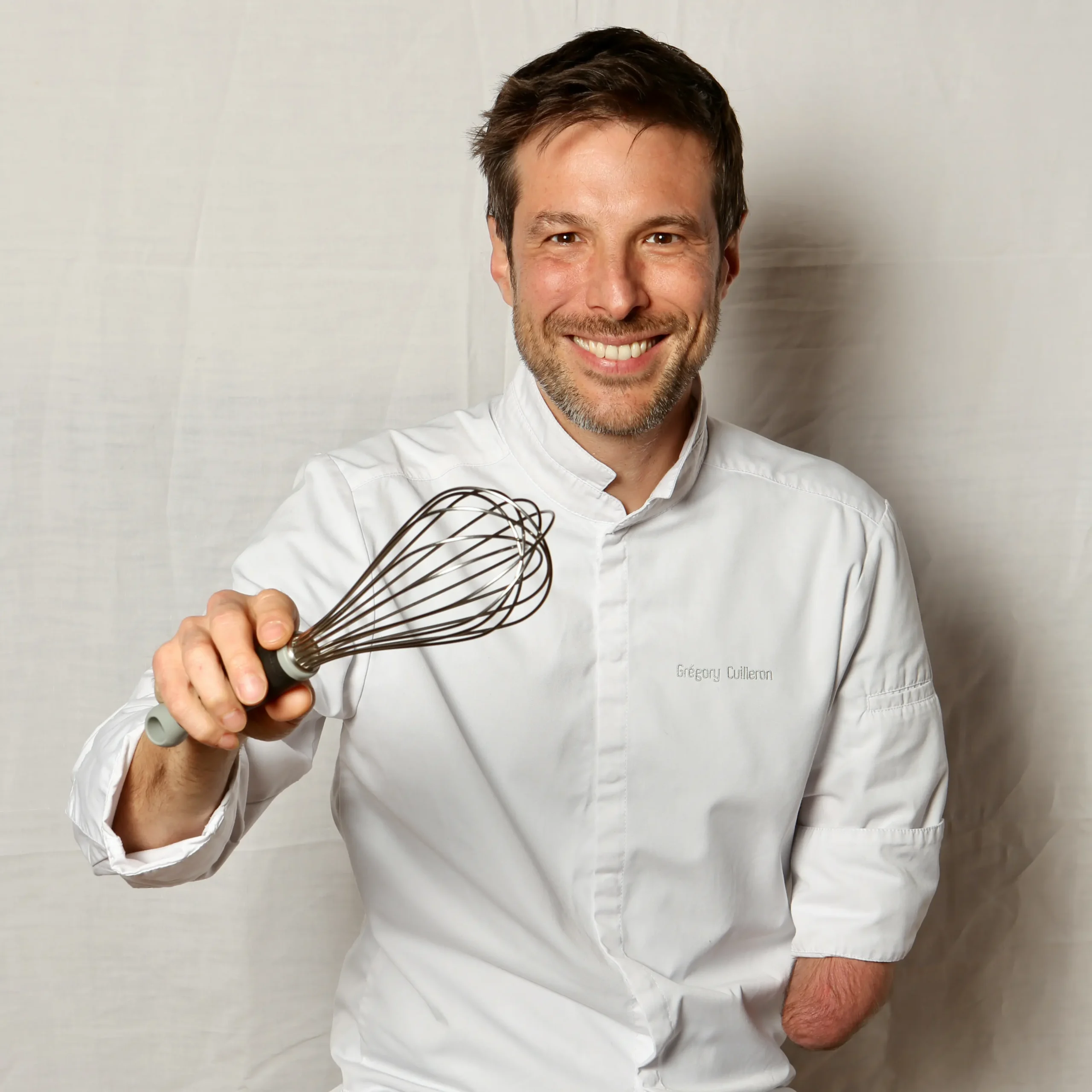
Chef Grégory Cuilleron discusses accessibility, inclusion and kitchen culture

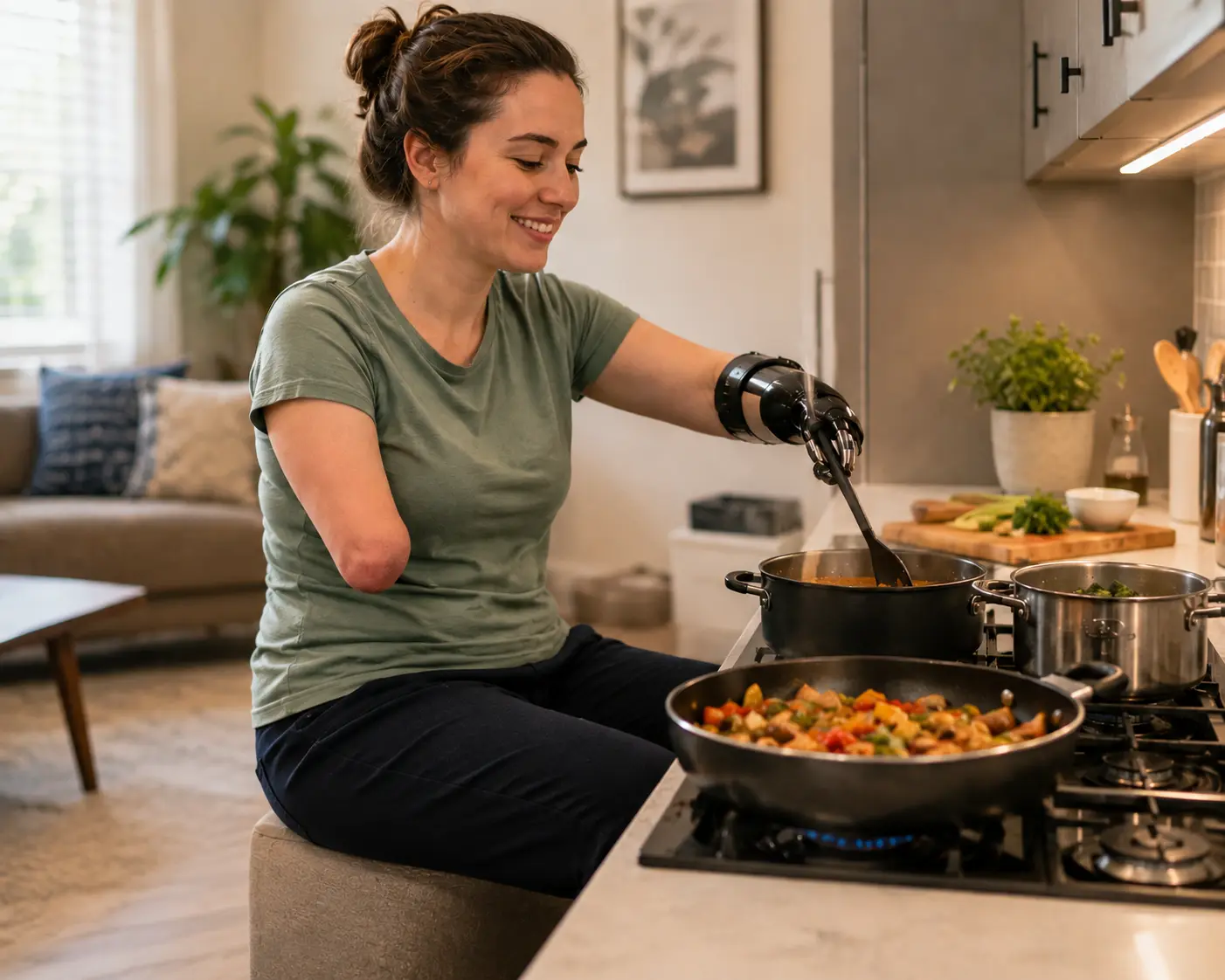
Grégory Cuilleron was born without his left forearm. It is, he will tell you, simply how he came into the world. And it is not a limitation, not a narrative of overcoming, just a fact. What defines him instead is a relentless curiosity about food, an instinct for generosity, and a conviction that kitchens, and the restaurants they feed, should work for everyone.

Advocacy

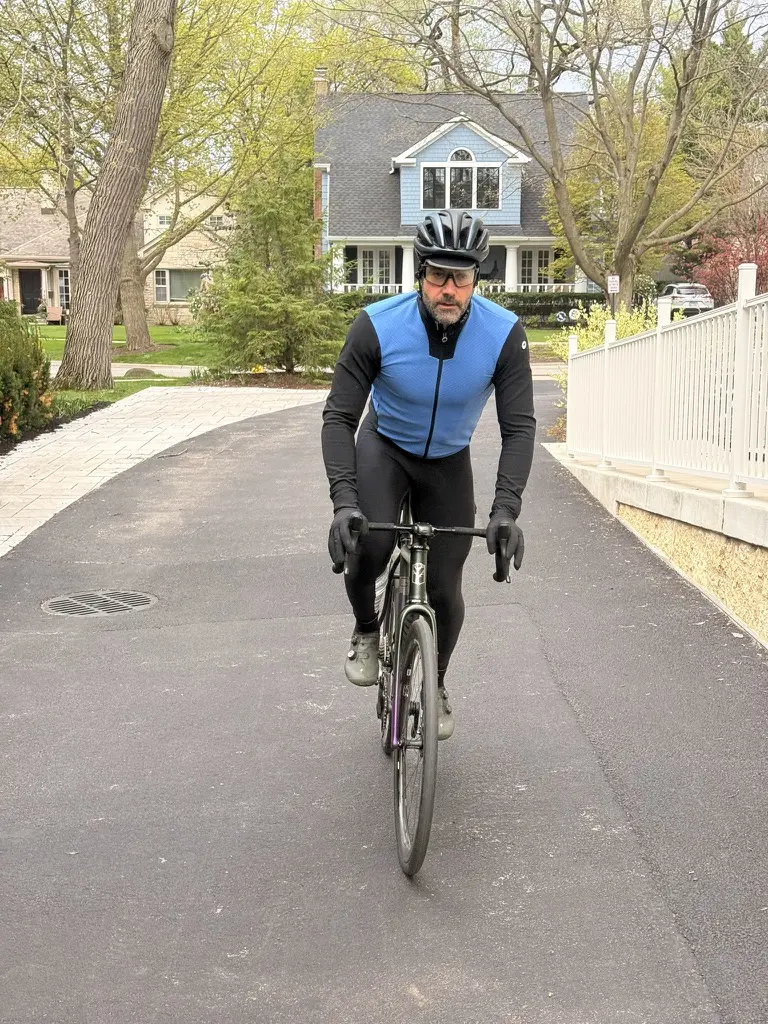
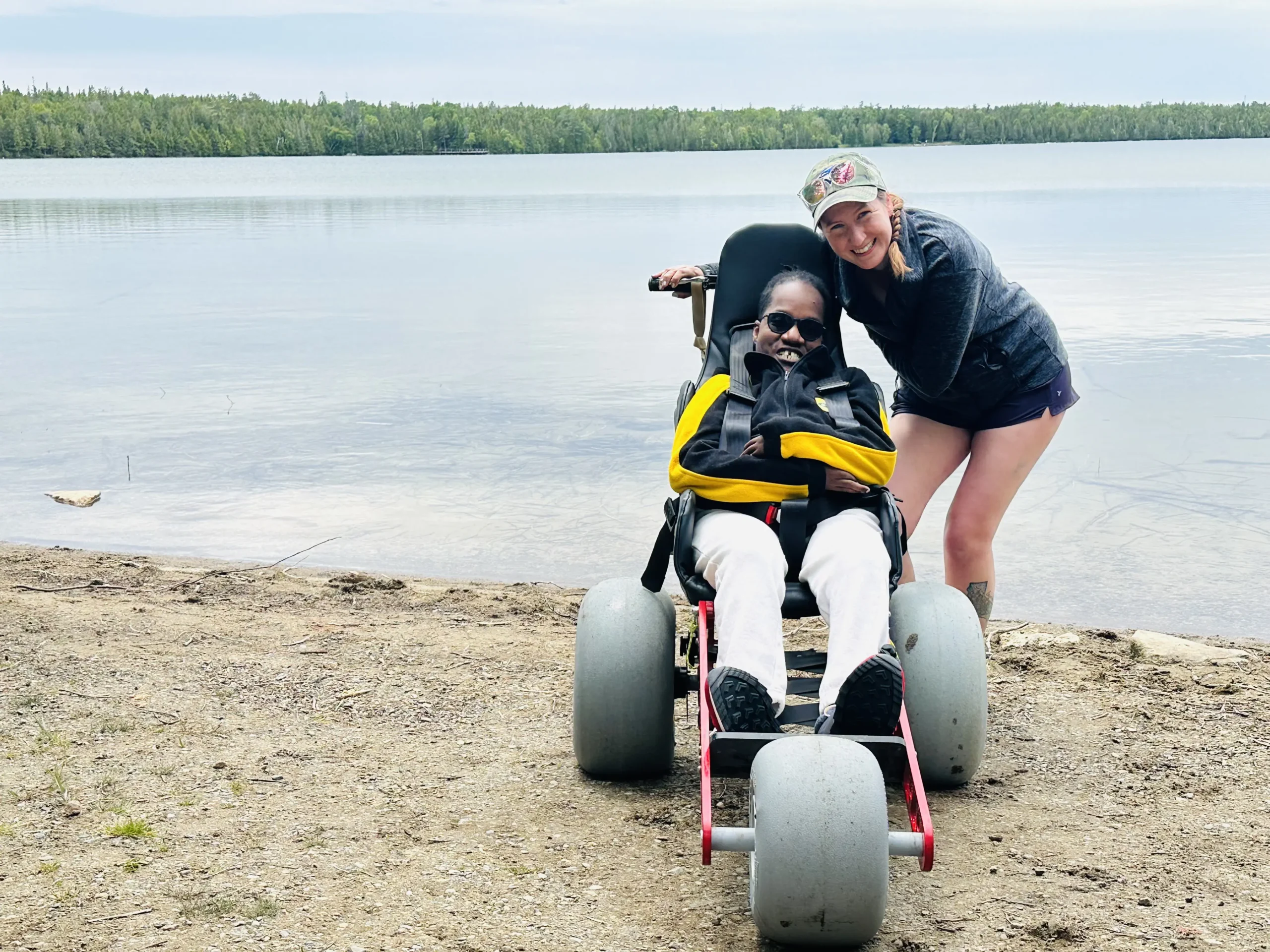
Riding for Ava: How one father’s love became a $2.4 million movement

Brad Serot had never ridden a road bike before. It was the height of COVID lockdowns, he was going through a divorce, and he was trying to find his footing as a single father of four. A friend introduced him to cycling, and something clicked. “It was just this amazing moment where a group of friends bonded in a way that felt really important,” he recalls. What started as a personal outlet would grow into one of the most remarkable grassroots fundraising stories in the disability community.

Deaf Insight

With Angela Lynn

When silence becomes risk: Deaf emergency access, safety, and preparedness

In an emergency, most people reach for their phone without thinking. For Deaf and Hard of Hearing people, that same moment can become a barrier. In many parts of the world, there is still no reliable way to contact emergency services without voice. This is not simply an inconvenience. It is a safety issue that requires awareness, preparation, and action.

As a Deaf person, I am always aware that in an emergency, communication is not guaranteed.

Belonging beyond sound: Understanding shared communication across communities

Belonging is often spoken of as a modern goal, yet it is not new. Long before policies and public conversations, there were communities where Deaf and hearing people lived and communicated without barriers. These environments were not defined by labels or separation, but by shared understanding. In many ways, they reflect what could be considered Deaf and hearing utopian conditions, not because they were perfect, but because communication allowed people to exist together without exclusion.

Developmental disabilities

How parents of special needs kids can spot fatigue and reclaim self-care

By Ed Carter

Parents of special needs children, especially those juggling therapy schedules, school coordination, and accessible travel planning, often carry parental fatigue and caregiver stress like it’s just the cost of doing a good job. The core tension is that the caregiving burden drains capacity quietly, so exhaustion gets normalized until patience, sleep, and even joy start running on overdraft. When fatigue goes unnamed, it also goes unmanaged, and decisions get made from survival mode instead of values. A simple fatigue assessment creates a clear starting point for real relief.

Everyday Access

How inclusive design at Procter & Gamble is reshaping everyday products for accessibility and real-life use

Some companies are beginning to treat accessibility less as an added feature and more as a core design principle, shaping how everyday products are imagined, tested and improved. At Procter & Gamble (P&G), that approach is increasingly embedded in how products are developed and brought to market.

Features

Disability and disaster response in the Philippines

By Lucky Mae Fornoles

In the Philippines, there are three safety measures that protect people with disabilities (PWDs) during calamities: its legal mandates for inclusive disaster risk reduction (DRR), its PWD-specific databases, and its localized evacuation drills.

What living with chronic migraine actually looks like

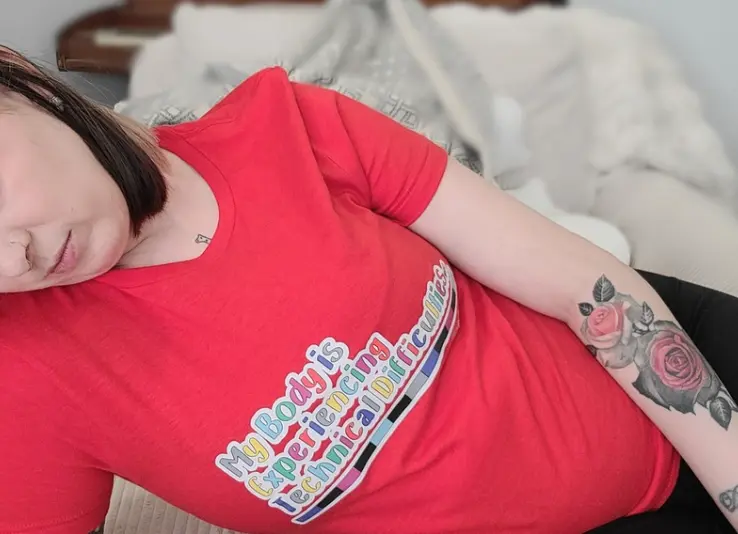
For many people, migraines are still misunderstood as simply severe headaches. For Kat Curnow, owner of the clothing line Chronically Sarcastic, they are a disabling, unpredictable condition that reshapes every part of daily life. Her experience illustrates the reality of migraine disease as a dynamic disability, one that changes in severity, duration and impact from day to day.

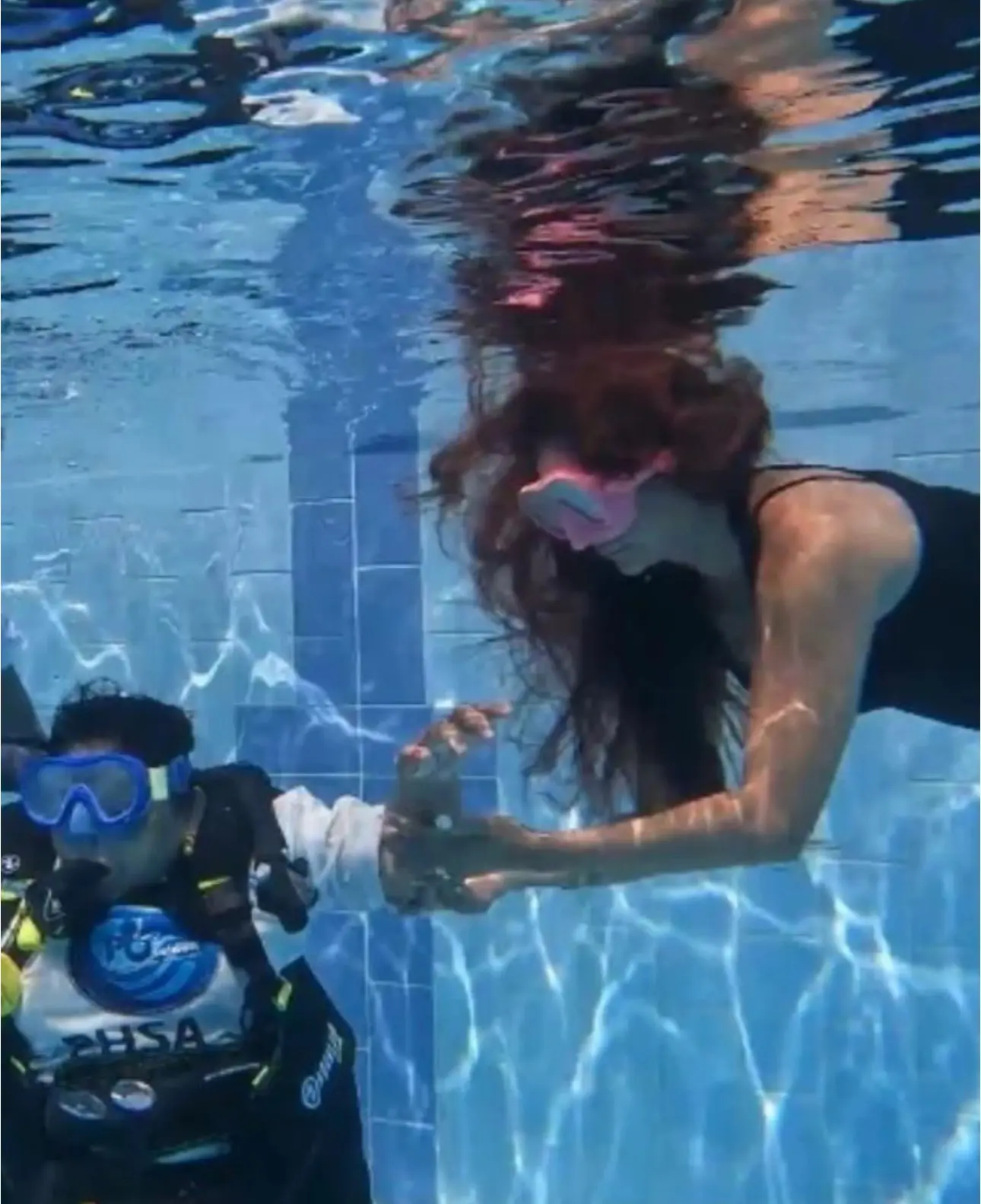
Q&A with adaptive scuba diving instructor, Elsie Gabriel

What first drew you to scuba diving, and how did that journey evolve into adaptive diving and accessibility?

What first drew me to scuba diving was an early and very personal fascination with the ocean. I grew up watching documentaries by David Attenborough and the ocean explorations of Sylvia Earle, and I remember being completely drawn into underwater worlds through productions like Blue Planet.

Opening the door: How a former principal became a leader in digital accessibility

By Jessica Lee Allen

When Nicole L’Etoile prepared to lead a session at a national accessibility conference in Denver in November 2025, the plan seemed simple. L’Etoile would give participants a number to log in to the platform. As she imagined handing out numbered slips of paper, she paused.
“It’s an accessibility conference,” she thought. “What if someone in the room is blind?”

Film

How Isaac Zablocki is guiding ReelAbilities’ global growth

Belonging is often spoken of as a modern goal, yet it is not new. Long before policies and public conversations, there were communities where Deaf and hearing people lived and communicated without barriers. These environments were not defined by labels or separation, but by shared understanding. In many ways, they reflect what could be considered Deaf and hearing utopian conditions, not because they were perfect, but because communication allowed people to exist together without exclusion.

Health and Wellness

Accessible wellness for disabled and neurodivergent lives

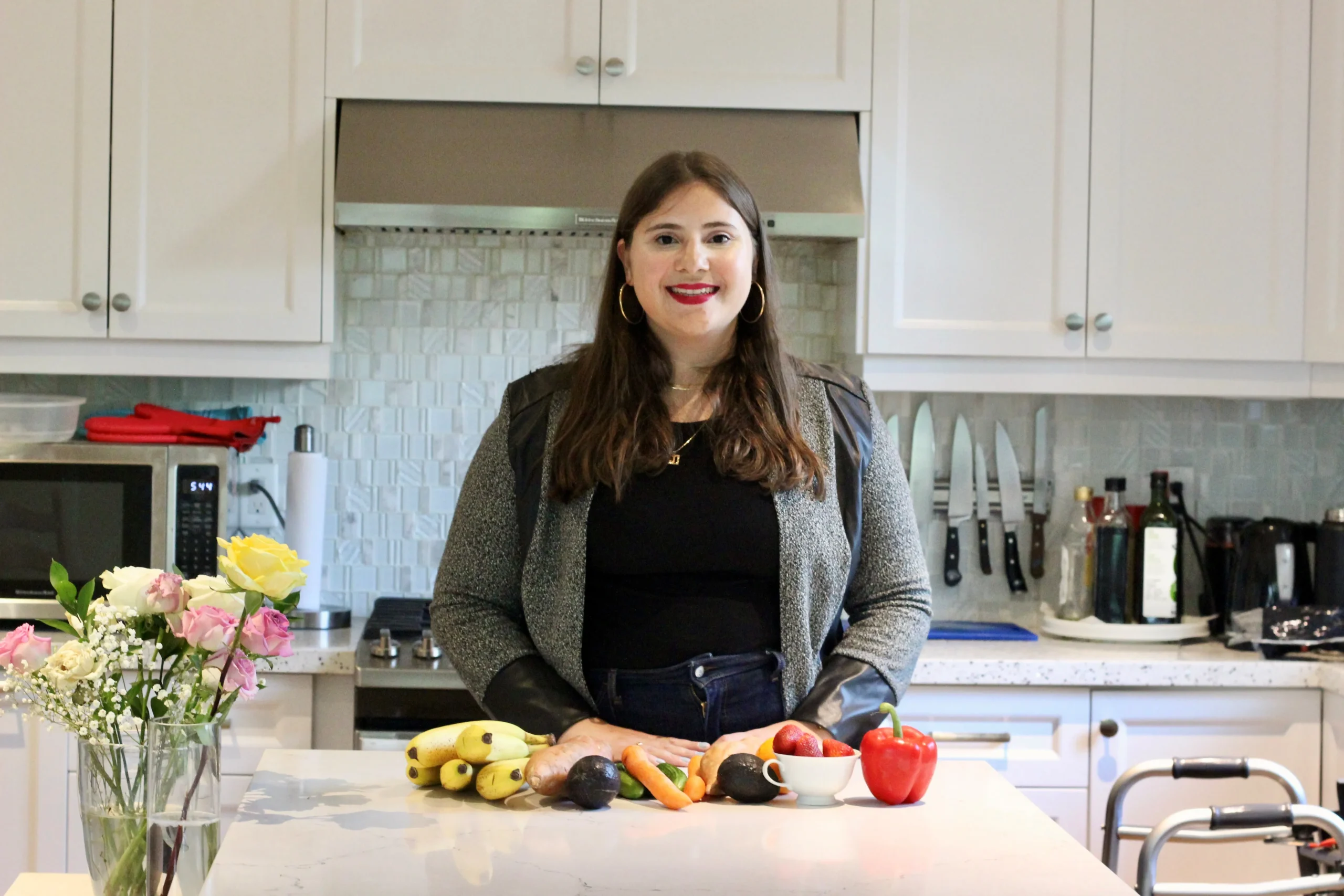
As a registered dietitian and the founder of Accessible Wellness, Silver has built her work around the realities many people quietly navigate every day, including pain, fatigue, executive dysfunction, limited access and shifting energy. Her approach moves away from rigid routines and idealized health standards, and toward something far more usable: nutrition that adapts to the person, not the other way around.

Inclusive Employment

How Inclusive Hiring Unlocks Talent and Drives Better Workplace Success

By Martin Block
 

For hiring managers and people leaders at hotels, tour operators, and experience-led lifestyle brands, the pressure to build teams that reflect real travelers is rising fast. Yet employers attracting people with disabilities often run into disability employment challenges that have nothing to do with skill and everything to do with barriers to hiring disabled candidates, unclear processes, hidden assumptions, and workplaces that were never designed to include everyone. 

Invisible Disabilities

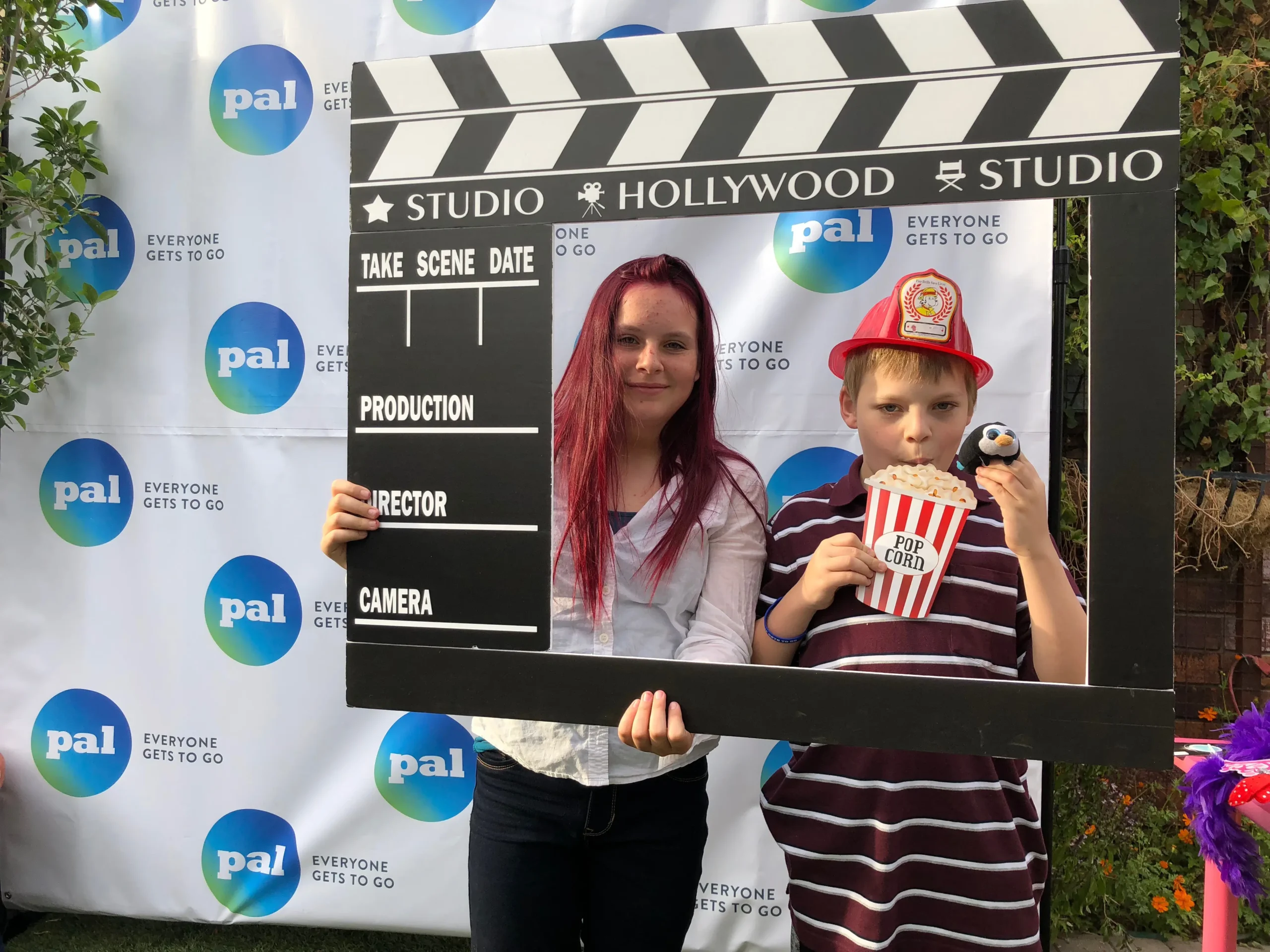
How Pal Experiences is helping public spaces rethink accessibility and inclusion beyond the ramp

On a Chicago train, Melanie Isaacs watched a father and his young son approach her. The boy was excited, rocking, flapping his hands, eventually jumping up and down. He had seen the aquarium logo on her shirt.

Families with disabilities

Who’s Really in Your Corner? Rethinking Support and Community in the Special Needs Journey

By Christine E. Staple Ebanks, The Special Needs Mama Bea

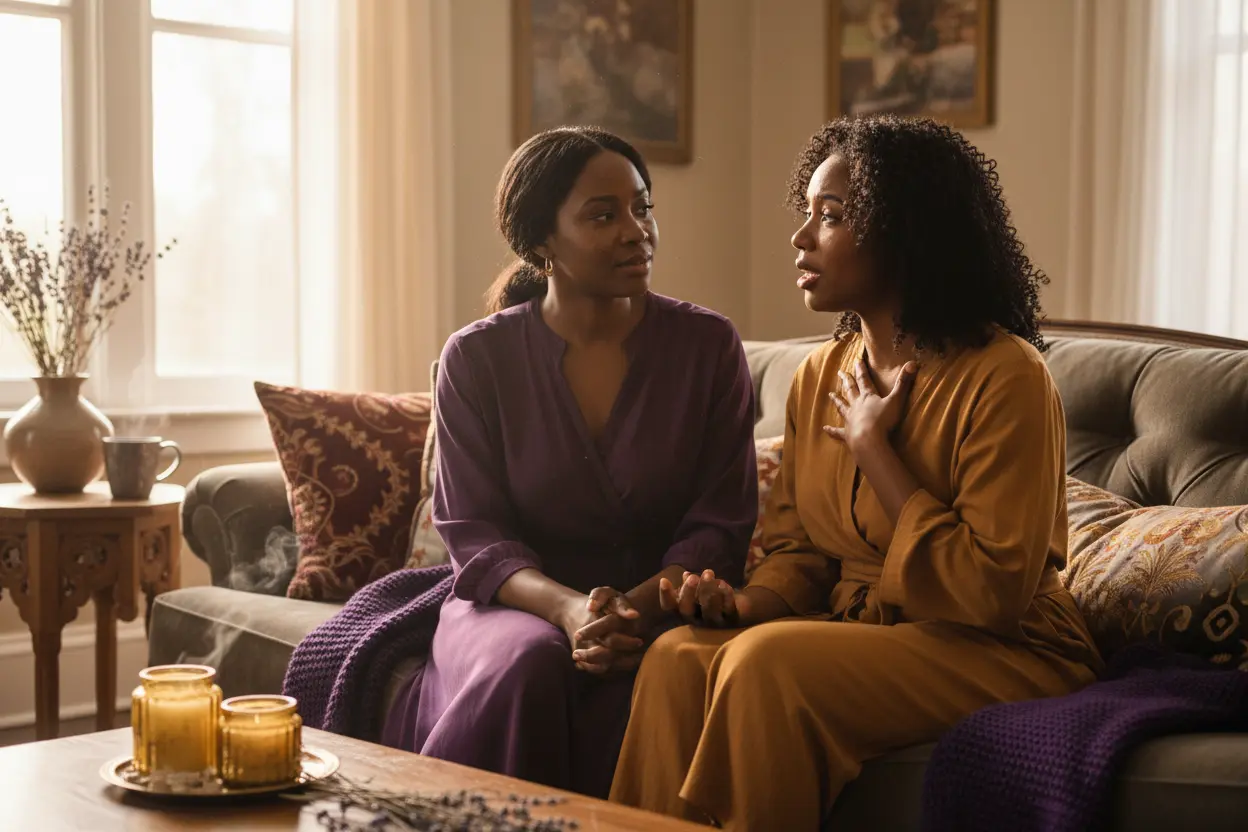
When my son Nathan, who lives with cerebral palsy, was about seven years old, I remember sitting with a friend, overwhelmed and exhausted, and saying something that felt true in that moment: “I have no support. There’s nobody I can call when I need help. Nobody I can really rely on.”

Mental Health Section

Managing mental fatigue and burnout to protect your mental health and energy

Fatigue, in the context of mental health, is often misunderstood. It is not simply feeling tired after a long day. It can be a persistent mental weight that affects focus, motivation and emotional stability. For many people living with anxiety, depression, PTSD or other conditions, energy goes beyond just the physical. It is cognitive and emotional, and it can be depleted quickly.

Practical Living

What to look for in the aisle

What you notice, or do not notice in the aisle often determines how easy a product will be to use at home. It usually starts with something small. You reach for a bottle in the shower and pause. Is it shampoo or conditioner? The labels look nearly identical. Later, you try to open a new product and the lid refuses to budge. Another day, you find yourself squinting at instructions that feel smaller than they need to be. These moments are easy to overlook, but they often become daily barriers rather than minor inconveniences.

Practical everyday tips to live boldly with a disability

Disability doesn’t come with a manual. Whether you’re new to a diagnosis, adapting to a changing condition or looking for smarter ways to manage daily life, the right strategies can make a real difference. They can help protect your energy, build confidence and support your sense of joy.

Relationships

Gift and Erin Tshuma: Your abilities are your strength

There is a quiet clarity in the way Gift and Erin Tshuma speak about their lives, work, and relationship. It’s not rehearsed or polished but grounded in real-life experience and shaped by the realities they navigate. Together, they carry that perspective into their advocacy, consulting, and daily lives, where inclusion is something they put into practice rather than leave as an idea.

Selected Reads

Smart content from trusted sources carefully chosen for you. Not our words, but ones worth sharing.

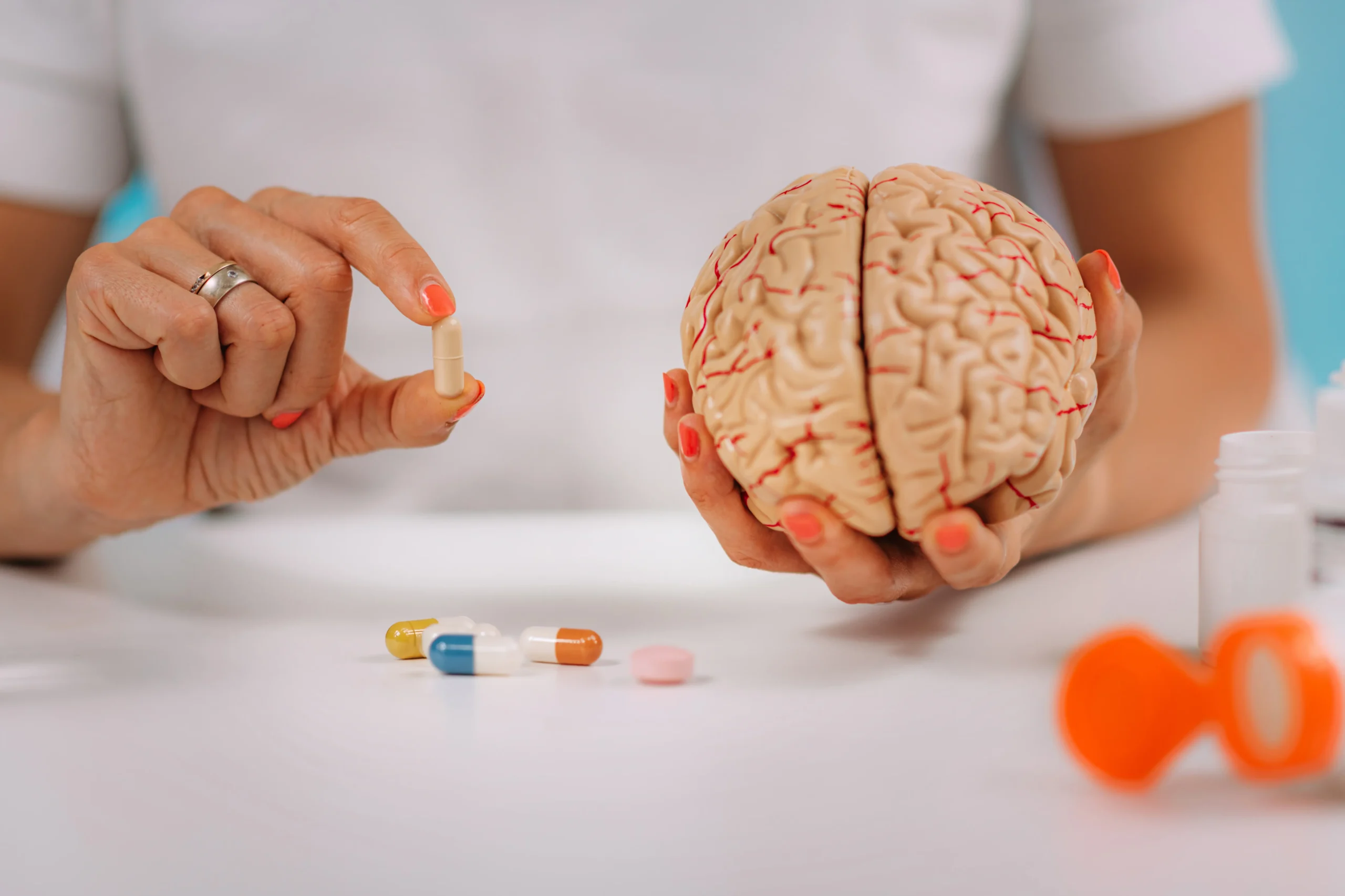
What addiction does to the brain

“Relapse is a part of recovery”: That’s a common refrain among professionals who treat substance use disorders. Many people who have completed treatment programs return to substance use and reenter treatment multiple times, after days, weeks or even years of sobriety.

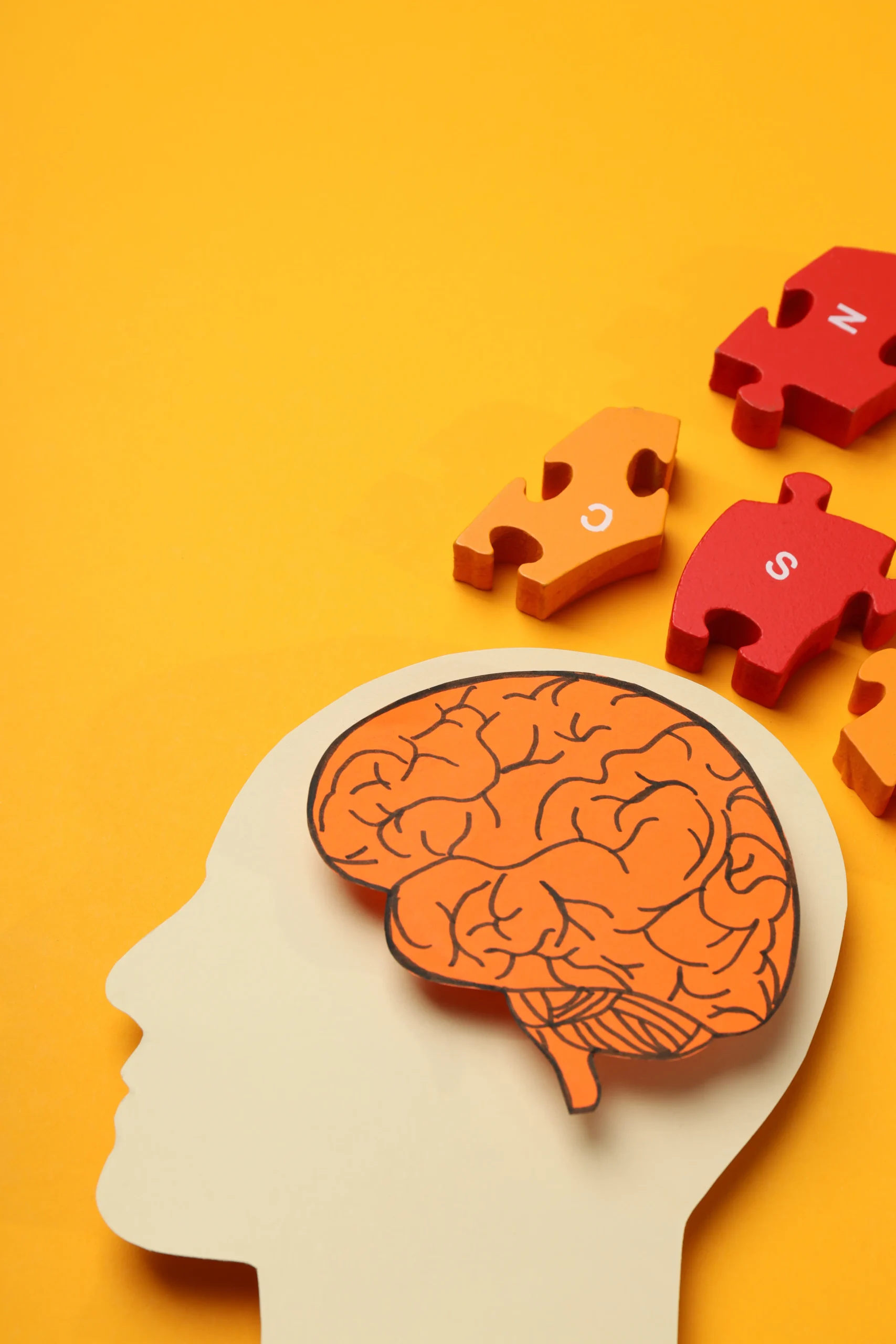
What’s the equivalent of a wheelchair for a person with schizophrenia? How psychiatric rehabilitation brings community into care

By Adrienne Lapidos, Elizabeth Thomas, Jennifer Mooradian

Imagine your dream is to get a job at the local library. You have a love for people and for books. You also have schizophrenia, a psychiatric disability that makes life in the community more challenging.

You often have extreme psychological experiences. When you leave your apartment, you hear voices that tell you it’s not safe, and you feel scared. People seem to keep their distance from you. You feel lonely sometimes.

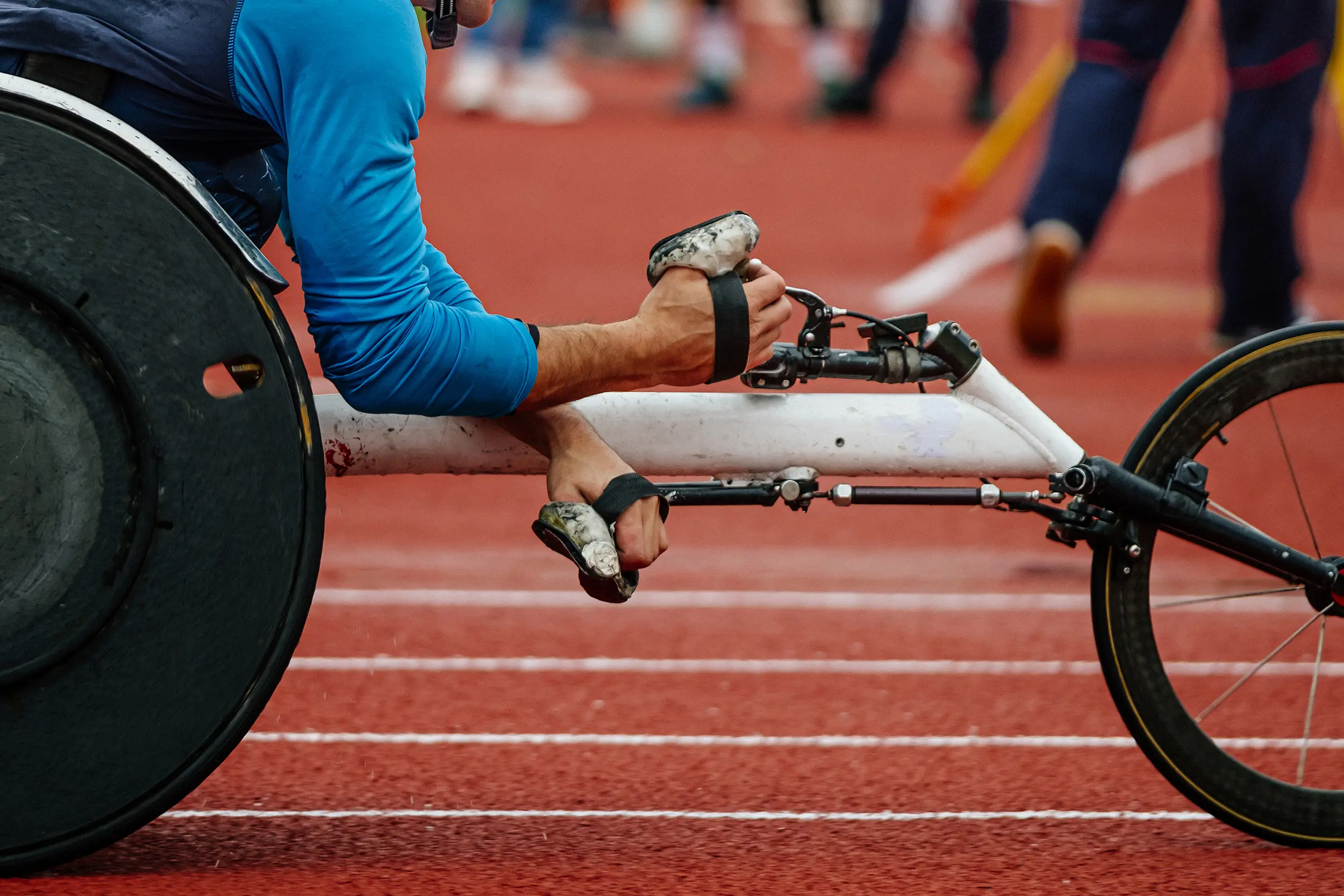
Why sport must be (re)imagined in ways that make it more accessible for all disabled athletes

By Dawn Trussell & Jennifer Mooradian

The increased media coverage of the Paralympic Games makes Paralympic sport seem “inclusive.” But, the continued reliance on segregated sport and narrowly defined classification categories suggests ableism remains. For example, some intellectually and cognitively disabled athletes are excluded. This implies that elite competition and inclusive sport may be incompatible.

Who is accessibility really for?

Accessibility is often framed as something designed for a specific group of people. It is discussed as an add-on, a feature, or a response to a need that sits outside the norm. But that framing raises a question worth examining more closely. Who is accessibility really for?

I don’t want to ‘fix’ my disability. I want an even playing field

By Maria Reppas 

I have a developmental disability, ADHD, but no one would ever know unless I share that information. My invisibility makes disability skeptics and critics shockingly open about their bigotry.

Voices without limits

Spotlight on bloggers with disabilities

Amanda shares her lived experience through her blog Her Chronic Wellness, navigating life with the rare neuromuscular condition Limb Girdle Muscular Dystrophy 2L/R12, which causes progressive muscle weakness in her arms, hips, pelvis, and legs. With no known cure, she approaches her journey with honesty, insight, and compassion. Through personal stories and reflective writing, she offers support, validation, and practical tools for others facing similar challenges.

Snippets from the wWW

Essential Disability News and Inclusion Stories

Disney Reimagines Animated Hits In Sign Language

 Disney is releasing new versions of musical sequences from “Frozen 2,” “Encanto” and “Moana 2” in an effort to better connect with the disability community.